Posted on

Same Day Invisible Hearing Aids: AudioService Quixx 16 G2 Review

Audio Service Quix from Hearing First - same day testing and fitting of invisible hearing aids

Same Day Invisible Hearing Aids from Hearing First

Experience Instant Fitting with Invisible Hearing Aids

Discover the Advanced Technology of Invisible Hearing Aids

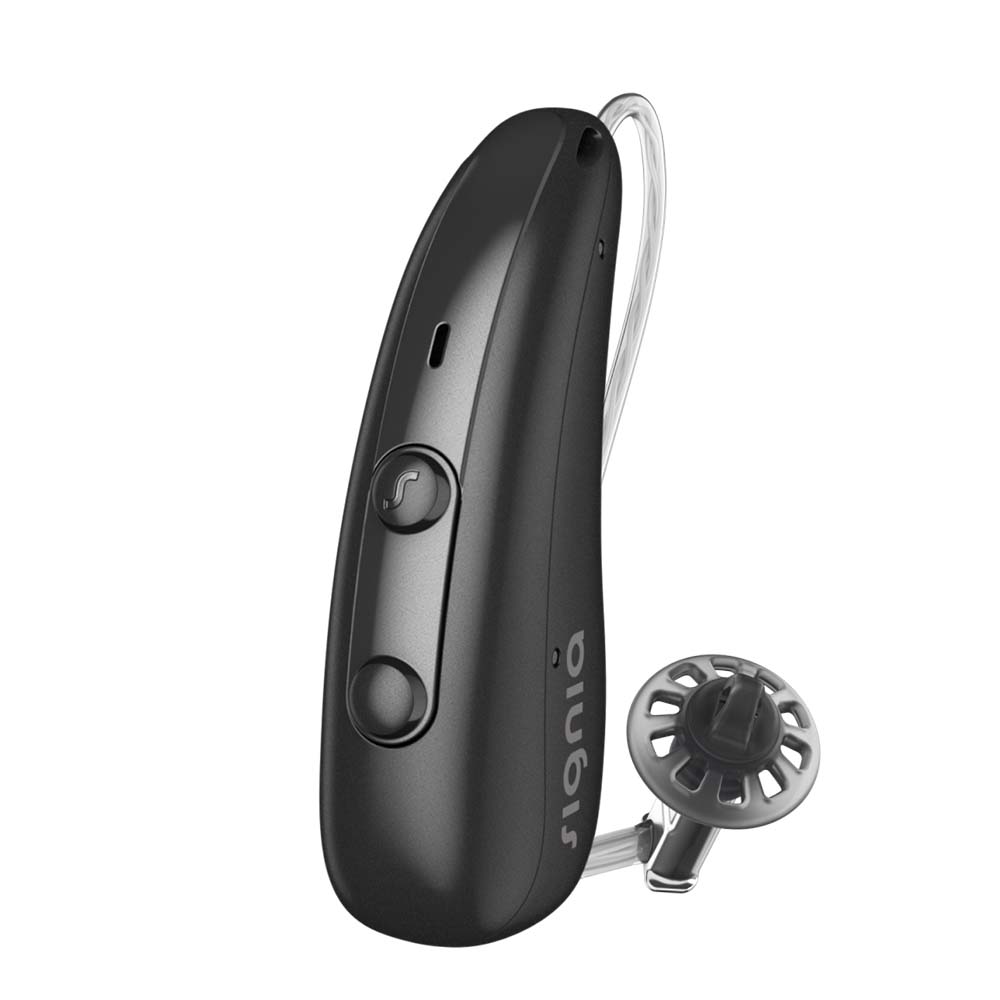
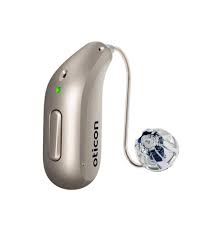
The quiX 16 G2 from Audio Service is an impressively compact hearing aid that delivers remarkable technological capabilities. This modular system is designed to be virtually undetectable within the ear canal when worn. Unlike many other in-the-canal (iic) hearing aids that require custom moulding, the quiX can be fitted with various sized open and closed domes, tailoring it to your specific hearing loss and ear canal size.

Why Choose Same Day Invisible Hearing Aids?

The quiX eliminates the need for an ear impression, allowing for a swift fitting process. As long as your ear canal is of a suitable size—99% of individuals meet this requirement—you can avoid the lengthy wait traditionally associated with hearing aid fittings. You can undergo your hearing assessment and receive your new high-tech invisible hearing aids on the same day.

Virtually Invisible and User-Friendly Hearing Aids

The quiX 16 G2 is designed to be incredibly discreet, sitting snugly in the ear without visible user controls. It operates fully automatically, removing the need for manual adjustments to programmes or volume. Our Audiologist will configure your devices based on your hearing test results, allowing you to simply insert them and forget they are there. These sophisticated hearing aids come equipped with 36 channels and offer up to 40dB of amplification, accommodating most levels of hearing loss. They intelligently detect five distinct sound environments—quiet speech, speech in noise, music, noise-only, and in-car settings—automatically adjusting the sound to enhance your listening experience without requiring any input from you.

Understanding the Audio Service quiX 16 G2

The quiX 16 G2 is a straightforward hearing system designed for immediate fitting. Its discreet design ensures it sits directly within the auditory canal, rendering it nearly invisible when in use. This position makes it particularly suitable for individuals who wear glasses.

The ergonomic shape of the hearing aid follows the natural contours of the ear canal and features the Clic Ball, which provides a secure connection between the quiX G2 and the dome. The system operates entirely automatically, making it incredibly user-friendly.

Same Day Invisible Hearing Aids From Hearing First. No need for custom impressions and weeks of waiting. With Hearing First's quiX 16 G2, you can have your hearing test and get your hearing aids on the same day!

Same Day Invisible Hearing Aids From Hearing First – quiX 16 G2

Key Features of the quiX 16 G2

  • Completely In-the-Canal (CIC) design with battery size 10 and standard shell
  • Minimised component size for enhanced discretion
  • 36 signal processing channels and 18 frequency channels
  • One dedicated hearing programme
  • Data logging capabilities
  • Advanced G2 anti-feedback system
  • Noise management with an impulse suppressor
  • High-fidelity audio functionality
  • Fully automatic operation
  • Receiver featuring dual-chamber technology
  • Level-dependent signal tones/melodies to indicate low battery status

Advanced Signal Processing Features

  • G2 anti-feedback system for enhanced clarity
  • Noise Manager
    • Adaptive noise reduction technology
    • Wiener Filter for sound enhancement
    • Impulse suppression for clear listening
    • Automatic adaptation to varying sound environments
  • Innovative frequency and dynamics concept
    • TRC S for optimal sound processing
    • Selective frequency compression for tailored listening experiences
    • High-fidelity audio capability for superior sound quality

Intelligent Automatic Functions

  • Intelligent acclimatisation for personalised hearing
  • Comformatic for enhanced comfort and performance

The post Same Day Invisible Hearing Aids – AudioService Quixx 16 G2 appeared first on Healthcare Marketing Service.

Posted on

Soundlens Synergy i2400 by Starkey Priced at £2195

Discover the Starkey SoundLens Synergy i2400 Hearing Aid

Starkey Soundlens Synergy From Hearing First - the world's smallest truly invisible in the canal hearing aid - now available with wireless technology.

Starkey Soundlens Synergy From Hearing First

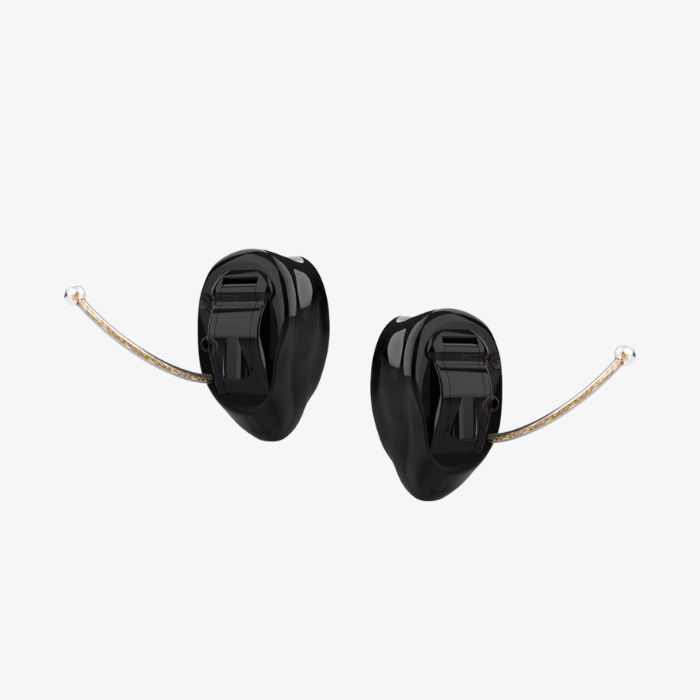
The Starkey SoundLens Synergy i2400 from Hearing First represents the pinnacle of invisible hearing aid technology. Each device is custom-tailored to fit your specific ear canal shape, ensuring a snug and comfortable fit that remains discreet. Despite their small size, these hearing aids are equipped with cutting-edge features and are recognised as the leading Invisible-in-the-Canal (IIC) hearing aids available today.

  • Experience Complete Invisibility with a Custom Fit

    These hearing aids are designed to fit deeply within your ear canal, personalised for maximum comfort throughout the day.

    Starkey is renowned for manufacturing the smallest truly invisible in-canal hearing aids. With the latest advancements in wireless technology and a new platform, the SoundLens Synergy i2400 stands as the most sophisticated option on the market.

  • Effortlessly Adjust to New Sounds

    This innovative feature facilitates your transition to using hearing aids by gradually modifying settings, allowing your brain to acclimatise to new auditory experiences.

  • Enhanced Wireless Streaming Capabilities

    The SoundLens Synergy i2400 ensures reliable wireless performance when streaming television, music, and other media through SurfLink® Mobile 2 and other SurfLink accessories.

  • A Tailored and Comfortable Listening Experience

    Equipped with sound comfort technology, these hearing aids provide distortion-free listening for loud sounds while maintaining clarity for softer sounds.

  • Say Goodbye to Buzzing and Whistling

    Featuring a state-of-the-art feedback cancellation system, enjoy comfortable listening without annoying feedback throughout the day.

  • Experience Music as It Was Intended

    These hearing aids are designed to allow you to enjoy music in a transformative way, enabling you to hear every note as the artist intended, with exceptional sound quality.

  • Personalised Tinnitus Relief Solutions

    Integrated with advanced Multiflex Tinnitus Technology, these hearing aids provide comfort and relief for individuals experiencing the persistent ringing in their ears.

Advanced Features of the Starkey SoundLens Synergy i2400

The i2400 model is equipped with an impressive array of features, including:

  • 24 channels and 24 bands for precise sound processing
  • Extended bandwidth reaching up to 10kHz
  • Acuity OS for enhanced audio performance
  • 900sync Wireless Technology for seamless connectivity
  • Wireless Spatial Streaming for enriched audio experiences
  • Acuity Speech Optimisation for clearer speech perception
  • Music Enhancement features, which include:
    • Music Adaptation – Level 4 for adaptive listening
    • Music Memory for recalling preferred settings
    • E2E Music Adaptation – Maximum for optimal music quality
  • Ear 2 Ear Acuity Binaural Imaging, featuring:
    • E2E Machine Noise Adaptation – Level 4 for improved clarity in noisy environments
    • E2E Wind Noise Management – Level 4 for reduced wind interference
    • E2E Directionality for enhanced sound localisation
    • E2E Phone Streaming for effortless phone calls
  • Environment Manager with Acuity Lifescape Analyser, including:
    • Music – Level 4 for tailored audio experiences
    • Speech – Level 4 for clarity in conversation
    • Speech and Noise – Level 4 for optimal performance in challenging environments
    • Machine Noise – Level 4 for reducing unwanted background sounds
    • Wind – Level 4 for minimising wind disruption
    • Noise – Level 4 for maintaining audio quality
    • Quiet – Level 4 for enhanced sound sensitivity
  • Noise Control through Acuity Voice with:
    • Noise Reduction Strength – Level 4 for effective sound management
  • Whistlefree Feedback Cancellation for uninterrupted listening
  • Speech Shift Frequency Lowering for better speech understanding
  • Multiflex Tinnitus Technology for customised relief
  • Compatibility with SurfLink Wireless Accessories for enhanced functionality

The post Starkey SoundLens Synergy i2400 £2195 appeared first on Healthcare Marketing Service.

Posted on

Starkey Muse i2000: Affordable Hearing Aids for All Types

Starkey Muse i2000 £1295 from Hearing First offers enhanced power and precision for hearing aid users, ensuring clearer conversations in noisy settings and a more natural music experience.

Starkey Muse i2000 £1295 from Hearing First

Discover the Starkey Muse i2000 at £1295

If you are searching for the best price in the UK for the Starkey Muse i2000, look no further than Hearing First.

Our innovative Acuity Binaural Imaging sets a new standard for ear-to-ear communication. This technology offers ultra high-definition audio, creating a more natural listening experience for users. By enabling collaborative decision-making, we can enhance speech clarity while maintaining comfort.

Today’s users desire an enjoyable listening experience in all environments. Our Acuity Lifescape Analyzer, the most thoroughly tested environmental detection system available, makes this possible. It features seven sound classes that can handle multiple environments at once, providing the most sophisticated and accurate classification and adaptation system to date.

Engineered to enhance speech recognition in challenging listening situations, Acuity Directionality is both intelligent and tailored, continually adapting across all channels. It prioritises conversations with up to 6dB of speech enhancement, allowing users to hear and engage in discussions from any direction.

Acuity Voice works in tandem with the Acuity Lifescape Analyzer to deliver optimal speech audibility. Its dual-layer algorithm employs dynamic voice identification alongside a spectral noise control system that adjusts gain on a per-channel basis, ensuring exceptional sound quality, effortless listening, and clarity of speech amidst background noise.

Our popular wireless system, 900sync, streams a caller’s voice directly to both ears through our innovative Ear-to-Ear Phone Streaming, facilitating phone conversations like never before.

Advanced Technology Features of the Starkey Muse i2000

The i2000 model is packed with impressive features, including:

  • 20 channels and 20 bands
  • Extended bandwidth capability up to 10kHz
  • Acuity OS
  • 900sync Wireless Technology
  • Wireless Spatial Streaming
  • Acuity Speech Optimisation – Medium
  • Music Enhancement, which includes
    • Music Adaptation – Level 2
    • Music Memory
    • E2E Music Adaptation – Medium
  • Ear 2 Ear Acuity Binaural Imaging, which features
    • E2E Machine Noise Adaptation – Level 2
    • E2E Wind Noise Management – Level 2
    • E2E Directionality
    • E2E Phone Streaming
  • Environment Manager – Acuity Lifescape Analyser, which incorporates
    • Music – Level 2
    • Speech – Level 2
    • Speech and Noise – Level 2
    • Machine Noise – Level 2
    • Wind – Level 2
    • Noise – Level 2
    • Quiet – Level 2
  • Directional Processing – Acuity Directionality, featuring
    • Channels: 20
    • Dynamic – Medium
    • Directional – Medium
    • Adaptive – Medium
  • Noise Control – Acuity Voice
    • Noise Reduction Strength – Level 2
  • Whistlefree Feedback Cancellation
  • Speech Shift Frequency Lowering
  • Multiflex Tinnitus Technology
  • SurfLink Wireless Accessories

The Muse, powered by Starkey’s cutting-edge Synergy platform, is the only platform that features quad core twin compressor technology. It is the first system to deliver remarkable precision for audibility and maximise listening enjoyment. Synergy, combined with Acuity OS, our new high-definition operating system, allows for unique processing of speech and sounds like music, significantly enhancing speech clarity and the enjoyment of music across various environments.

Synergy also includes 900sync Technology, our user-favourite wireless technology, which provides a crystal-clear audio experience tailored for unilateral hearing loss with our innovative Muse CROS System. It further improves understanding on phone calls through our new ear-to-ear phone streaming.

The post Starkey Muse i2000 £1295 CIC ITC ITE RIC BTE appeared first on Healthcare Marketing Service.

Posted on

Starkey Muse i2400 Hearing Aids: CIC, ITC, ITE, RIC, BTE for £1595

Starkey Muse i2400 £1595 from Hearing First brings a new generation of power and precision to hearing aid wearers, making conversation clearer in noisy environments, and music more natural.

Starkey Muse i2400 £1595 from Hearing First

Discover the Starkey Muse i2400 for £1595

Starkey has unveiled its latest Muse range of hearing aids, with Hearing First offering the most competitive price in the UK at just £1595. The Muse series is available in a variety of designs, including the compact and powerful CIC (completely in the canal), ITC, and ITE custom styles. There are also microRIC 312, miniBTE, and microRIC 312 AP models, featuring up to 70dB of feedback-free amplification. For those seeking the utmost discretion, Starkey introduces the Soundlens Synergy, the world’s first wireless true iic (invisible in the canal) hearing aid.

The Muse range comes in three technology levels: i2400, i2000, and i1600. Each model is powered by Starkey’s innovative Synergy technology platform, which utilises a quad-core architecture, offering up to 24 channels and dual compressors.

Every Muse model is equipped with Starkey’s groundbreaking patent-pending Multiflex Tinnitus technology. This feature merges personalisation and flexibility, providing much-needed relief to those affected by tinnitus.

Key Features of the Starkey Muse i2400 Technology

The i2400 model is equipped with an impressive array of features:

  • 24 channels and 24 bands
  • Extended bandwidth reaching up to 10kHz
  • Acuity OS
  • 900sync Wireless Technology
  • Wireless Spatial Streaming
  • Acuity Speech Optimisation
  • Music Enhancement, which includes:
    • Music Adaptation – Level 4
    • Music Memory
    • E2E Music Adaptation – Maximum
  • Ear 2 Ear Acuity Binaural Imaging, featuring:
    • E2E Machine Noise Adaptation – Level 4
    • E2E Wind Noise Management – Level 4
    • E2E Directionality
    • E2E Phone Streaming
  • Environment Manager – Acuity Lifescape Analyser, incorporating:
    • Music – Level 4
    • Speech – Level 4
    • Speech and Noise – Level 4
    • Machine Noise – Level 4
    • Wind – Level 4
    • Noise – Level 4
    • Quiet – Level 4
  • Directional Processing – Acuity Directionality, which includes:
    • Channels: 24
    • Dynamic – Maximum
    • Directional – Maximum
    • Adaptive – Maximum
  • Noise Control – Acuity Voice:
    • Noise Reduction Strength – Level 4
  • Whistlefree Feedback Cancellation
  • Speech Shift Frequency Lowering
  • Multiflex Tinnitus Technology
  • SurfLink Wireless Accessories

Featuring Starkey’s revolutionary Synergy platform, the Muse is the first and only hearing aid system to incorporate quad-core twin compressor technology. This advancement provides remarkable precision for hearing clarity and optimises listening enjoyment. The combination of Synergy with Acuity OS, Starkey’s new high-definition operating system, allows for unprecedented processing of speech and music, enhancing both audibility and enjoyment across various environments.

Synergy integrates 900sync Technology, a highly preferred wireless solution that offers a superior audio experience. It effectively supports unilateral hearing loss through the innovative Muse CROS System and enhances phone call clarity with the new ear-to-ear phone streaming feature.

The post Starkey Muse i2400 £1595 CIC ITC ITE RIC BTE appeared first on Healthcare Marketing Service.

Posted on

Enhanced Automation in Healthcare through Process Redesign

In the current fast-paced landscape, both efficiency and automation are essential elements that facilitate the successful operation of various sectors, notably healthcare. With an increasing demand for superior healthcare services, medical institutions are keenly exploring methods to refine their processes and elevate patient care outcomes. This is where process redesign and automation play pivotal roles, significantly transforming healthcare delivery.

Why Efficiency is Crucial for Healthcare Success

The landscape of healthcare organisations is fraught with challenges, including escalating costs, a surge in patient numbers, and limited resources. In this intricate environment, optimising processes is vital to ensure that patients receive prompt and high-quality care. Streamlining workflows enhances efficiency and is crucial for improving health outcomes.

Process redesign entails a comprehensive evaluation and restructuring of current workflows to eliminate unnecessary steps, minimise errors, and boost overall efficiency. By embracing process redesign within the healthcare sector, organisations can effectively reduce waste, alleviate bottlenecks, and significantly enhance patient satisfaction, resulting in a more agile and responsive healthcare system.

Discovering the Key Benefits of Process Redesign in Healthcare

Doctors analysing holographic patient data in a futuristic healthcare setting, enhancing efficiency and care.
  1. Enhanced Patient Safety: A primary objective of process redesign is to improve patient safety. By systematically removing redundant steps, standardising procedures, and incorporating error-prevention mechanisms, healthcare organisations can significantly minimise the incidence of medical errors and adverse events. This diligent approach ensures that patients receive appropriate care at precisely the right time, reducing potential harm and fostering a safer healthcare environment.

  2. Boosting Patient Satisfaction: Streamlining processes in healthcare organisations can result in shorter waiting times, enhanced communication, and an overall improved patient experience. Achieving this can involve the implementation of cutting-edge technologies such as self-check-in kiosks, electronic medical record systems, and automated appointment reminders. Enhanced coordination among healthcare providers and departments ensures smoother transitions of care, ultimately leading to heightened patient satisfaction.

  3. Significant Cost Savings: Process redesign enables healthcare organisations to identify and eliminate activities that do not add value, resulting in substantial cost savings. By optimising resource utilisation and minimising waste, organisations can allocate their resources more effectively. For instance, automation can streamline administrative tasks such as billing and claims processing, significantly reducing the need for manual intervention and lowering costs associated with human error.

  4. Boosted Staff Productivity: By streamlining processes and alleviating administrative burdens, healthcare professionals can dedicate more time to direct patient care. Automation of routine tasks and the removal of manual paperwork empower staff to optimise patient interactions, leading to better health outcomes. Automation can facilitate critical tasks, including medication dispensing and inventory management, allowing staff to focus on intricate clinical decision-making.

  5. Optimised Data Management: Implementing process redesign often involves adopting automation and digitalisation strategies. This transition enhances data management, improves accuracy, and increases access to essential patient information. The availability of real-time data enables healthcare professionals to make informed decisions and deliver personalised care. The integration of electronic health records, clinical decision support systems, and data analytics tools further elevates the quality and efficiency of healthcare delivery.

Utilising Automation to Enhance Efficiency in Healthcare

Automation is instrumental in improving efficiency within the healthcare sector. By leveraging advanced technology and sophisticated software solutions, healthcare organisations can automate repetitive and time-consuming tasks, ensuring precise and effective operations. The advantages of automation in healthcare are extensive:

  1. Minimising Human Errors: Automation significantly reduces the likelihood of human errors, such as transcription mistakes or data entry inaccuracies. By automating processes like appointment scheduling or prescription filling, healthcare organisations can drastically decrease the potential for errors. This progress not only boosts patient safety but also diminishes the need for costly error corrections.

  2. Streamlining Workflows: Automation improves workflows by eliminating manual handoffs, reducing paperwork, and automating data exchange across various systems. This leads to faster processing times, reduced bottlenecks, and enhanced overall efficiency. For instance, automated patient triage systems can prioritise and assign cases based on severity, significantly improving workflow in emergency departments.

  3. Enhancing Communication: Automation promotes seamless communication among healthcare professionals, departments, and patients. By automating notifications, reminders, and alerts, healthcare organisations can ensure timely communication, fostering improved collaboration and coordination. This is particularly advantageous during care transitions, where automated alerts can help prevent medication errors or missed follow-up appointments.

  4. Leveraging Real-time Analytics: Automation enables healthcare organisations to gather and analyse real-time data, providing invaluable insights for informed decision-making. This capability aids in pinpointing areas for improvement, optimising resource allocation, and enhancing patient care outcomes. For example, automated data analytics tools can monitor patient outcomes and alert healthcare providers to potential complications, facilitating early interventions and improved patient results.

  5. Ensuring Regulatory Compliance: Automation assists healthcare organisations in maintaining compliance with various regulatory requirements. By automating documentation processes and ensuring timely follow-ups, organisations can mitigate compliance risks and avoid penalties. For instance, automated coding and billing systems ensure accurate documentation and coding, thereby minimising the risk of non-compliance with coding guidelines and regulations.

Crucial Steps for the Successful Implementation of Process Redesign and Automation in Healthcare

Implementing process redesign and automation in the healthcare sector requires meticulous planning and collaboration among various stakeholders. Below are essential steps to consider:

  1. Identify Key Areas for Improvement: Conduct a comprehensive analysis of existing processes to uncover bottlenecks, inefficiencies, and areas suitable for automation. Engage healthcare professionals, administrators, and IT experts to gather insights and requirements. This may involve time-motion studies, workflow analyses, and soliciting feedback from frontline staff.

  2. Create a Clear Roadmap: Develop a detailed plan outlining the necessary steps for implementing process redesign and automation. Define clear objectives, timelines, and resource requirements. Prioritise areas that demonstrate the highest potential for improvement, considering factors such as cost, feasibility, and their impact on patient care outcomes.

  3. Select Suitable Technology: Assess various automation technologies and software solutions available in the market. Consider factors such as scalability, flexibility, security, and integration capabilities. Choose a solution that aligns with your organisation’s goals and requirements, ensuring that the selected technology is user-friendly and easily adoptable by staff members.

  4. Engage and Train Staff: Effective training is crucial for the successful implementation and acceptance of new processes and technologies. Educate staff on the benefits of process redesign and automation, provide hands-on training on new systems, and encourage their active participation in the change management process. This engagement may include workshops, user manuals, and ongoing support.

  5. Monitor and Assess Progress: Continuously track the performance of redesigned processes and automated systems. Collect feedback from staff and patients to identify additional areas for improvement. Regularly review key performance indicators to assess the impact of process redesign and automation on efficiency and patient outcomes. Make necessary adjustments based on the feedback received to ensure sustained improvement and effectiveness.

In conclusion, enhancing efficiency through process redesign and automation is critical in the healthcare sector. By adopting these innovative strategies, healthcare organisations can optimise processes, improve patient safety and satisfaction, reduce costs, and enhance overall healthcare delivery. The journey towards automation in healthcare involves careful planning, collaboration, and the selection of appropriate technology to ensure successful implementation and enduring benefits.

Note: The complete article is provided in markdown format below:

# Driving Efficiency: Process Redesign and the Path to Automation in Healthcare In today's fast-paced world, efficiency and automation are key factors in ensuring the smooth functioning of any industry, and healthcare is no exception. As the demand for quality healthcare services continues to rise, healthcare organizations are constantly seeking ways to streamline their processes and improve patient care outcomes. This is where process redesign and automation play a crucial role. 

The Need for Efficiency in Healthcare

A modern hospital using technology to streamline processes, reducing wait times and errors for better patient care.
Healthcare organizations face numerous challenges on a daily basis, including rising costs, increasing patient volumes, and limited resources. In such a complex environment, it becomes imperative to optimize processes to ensure that patients receive timely and high-quality care. Process redesign involves reevaluating and reengineering existing processes to eliminate unnecessary steps, reduce errors, and enhance overall efficiency. By implementing process redesign in healthcare, organizations can cut down on waste, minimize bottlenecks, and improve patient satisfaction.

Key Benefits of Process Redesign in Healthcare

  1. Improved Patient Safety: One of the primary goals of process redesign is to enhance patient safety. By eliminating redundant steps, standardizing processes, and implementing error-prevention mechanisms, healthcare organizations can significantly reduce the risk of medical errors and adverse events. This ensures that patients receive the right care at the right time, minimizing potential harm.
  1. Enhanced Patient Satisfaction: By streamlining processes, healthcare organizations can reduce waiting times, improve communication, and enhance the overall patient experience. This can be achieved by implementing technologies such as self-check-in kiosks, electronic medical record systems, and automated appointment reminders. improved coordination between healthcare providers and departments leads to smoother transitions of care and better patient satisfaction.
  1. Reduced Costs: Process redesign allows healthcare organizations to identify and eliminate non-value-added activities, leading to cost savings. By optimizing resource utilization and reducing waste, organizations can allocate their resources more efficiently and effectively. For example, automation can streamline administrative tasks like billing and claims processing, reducing the need for manual intervention and lowering costs associated with human error.
  1. Increased Staff Productivity: Streamlined processes and reduced administrative burdens enable healthcare professionals to focus more on direct patient care. By automating routine tasks and eliminating manual paperwork, staff can spend more time interacting with patients, leading to improved outcomes. automation can assist in tasks like medication dispensing and inventory management, freeing up staff to concentrate on complex clinical decision-making.
  1. Enhanced Data Management: Process redesign often involves the implementation of automation and digitalization strategies. This allows for better data management, improved accuracy, and increased accessibility to vital patient information. The availability of real-time data enables healthcare professionals to make informed decisions and provide personalized care. Integration of electronic health records, clinical decision support systems, and data analytics tools can further enhance the quality and efficiency of healthcare delivery.

The Role of Automation in Healthcare

Automation plays a significant role in driving efficiency in healthcare. By leveraging technology and advanced software solutions, healthcare organizations can automate repetitive and time-consuming tasks, ensuring accurate and efficient operations. Automation offers several benefits in the healthcare industry:
  1. Reduced Human Errors: Automation minimizes the risk of human errors, such as transcription errors or data entry mistakes. By automating processes like appointment scheduling or prescription filling, healthcare organizations can significantly reduce the likelihood of mistakes. This improves patient safety and reduces the need for costly error correction.
  1. Improved Workflow: Automation streamlines workflows by eliminating manual handoffs, reducing paperwork, and automating data exchange between different systems. This leads to faster processing times, reduced bottlenecks, and improved overall efficiency. For example, automated patient triage systems can prioritize and assign cases based on severity, optimizing the workflow in emergency departments.
  1. Enhanced Communication: Automation facilitates seamless communication among healthcare professionals, departments, and patients. By automating notifications, reminders, and alerts, healthcare organizations can ensure timely communication, leading to improved collaboration and coordination. This can be particularly beneficial in care transitions, where automated alerts can help prevent medication errors or missed follow-up appointments.
  1. Real-time Analytics: Automation enables healthcare organizations to collect and analyze real-time data, providing valuable insights for decision-making. This helps in identifying areas for improvement, optimizing resource allocation, and enhancing patient care outcomes. For instance, automated data analytics tools can monitor patient outcomes and alert healthcare providers of potential complications, allowing for early interventions and improved patient outcomes.
  1. Improved Compliance: Automation helps healthcare organizations stay compliant with various regulatory requirements. By automating documentation processes and ensuring timely follow-ups, organizations can reduce compliance risks and avoid penalties. For example, automated coding and billing systems can ensure accurate documentation and coding, minimizing the risk of non-compliance with coding guidelines and regulations.

Implementing Process Redesign and Automation

Healthcare professionals collaborating on digital interface for process redesign and automation, improving efficiency and patient care.
Implementing process redesign and automation in healthcare requires careful planning and collaboration among various stakeholders. Here are some steps to consider:
  1. Identify Areas for Improvement: Conduct a thorough analysis of existing processes to identify bottlenecks, inefficiencies, and areas that can benefit from automation. Engage healthcare professionals, administrators, and IT experts to gain insights and gather requirements. This can involve conducting time-motion studies, workflow analysis, and obtaining feedback from frontline staff.
  1. Develop a Roadmap: Create a detailed plan outlining the steps required to implement process redesign and automation. Define clear objectives, timelines, and resource requirements. Prioritize areas that offer the highest potential for improvement. Consider factors such as cost, feasibility, and impact on patient care outcomes.
  1. Select the Right Technology: Evaluate different automation technologies and software solutions available in the market. Consider factors such as scalability, flexibility, security, and integration capabilities. Choose a solution that aligns with your organization's goals and requirements. Ensure that the chosen technology is user-friendly and can be easily adopted by staff.
  1. Train and Engage Staff: Proper training is crucial to ensure the successful implementation and adoption of new processes and technologies. Train staff on the benefits of process redesign and automation, provide hands-on training on new systems, and encourage their active participation in the change management process. This can include conducting workshops, providing user manuals, and offering ongoing support and guidance.
  1. Monitor and Evaluate: Continuously monitor the performance of redesigned processes and automated systems. Collect feedback from staff and patients to identify areas for further improvement. Regularly review key performance indicators to measure the impact of process redesign and automation on efficiency and patient outcomes. Make necessary adjustments and refinements based on the feedback received to ensure sustained improvement.
In conclusion, driving efficiency through process redesign and automation is paramount in the healthcare industry. By embracing these strategies, healthcare organizations can optimize processes, enhance patient safety and satisfaction, reduce costs, and improve overall healthcare delivery. The path to automation in healthcare requires careful planning, collaboration, and the right technology to ensure successful implementation and long-term benefits.

Frequently Asked Questions Regarding Process Redesign and Automation in Healthcare

1. What are the primary benefits of process redesign in healthcare?

  • Enhanced Patient Safety: By removing redundant steps and implementing error-prevention mechanisms, process redesign significantly reduces the risk of medical errors and adverse events, ensuring patients receive the appropriate care promptly.
  • Improved Patient Satisfaction: Streamlining processes reduces waiting times, enhances communication, and improves the overall patient experience, resulting in greater satisfaction.
  • Cost Reductions: Process redesign identifies and eliminates non-value-added activities, optimising resource utilisation and minimising waste, leading to considerable cost savings.
  • Increased Staff Productivity: By automating routine tasks and lessening administrative burdens, staff can dedicate more time to patient interactions and focus on direct patient care.

2. What is the role of automation in healthcare?

  • Minimising Human Errors: Automation reduces the likelihood of human errors by automating processes such as appointment scheduling or prescription filling, thereby enhancing patient safety.
  • Optimising Workflow: Automation removes manual handoffs, decreases paperwork, and facilitates data exchange, leading to faster processing times and improved overall efficiency.
  • Facilitating Communication: Automation promotes seamless communication among healthcare professionals, departments, and patients through automated notifications, reminders, and alerts.
  • Real-time Data Analysis: Automation enables healthcare organisations to gather and analyse real-time data, providing critical insights for decision-making, optimising resource allocation, and improving patient care outcomes.

3. How can process redesign and automation be effectively implemented in healthcare?

  • Identify Areas for Improvement: Conduct a comprehensive analysis of existing processes to uncover bottlenecks and inefficiencies that could benefit from automation.
  • Create a Roadmap: Develop a detailed plan with clear objectives, timelines, and resource requirements, prioritising areas with the highest potential for improvement.
  • Select Suitable Technology: Evaluate automation technologies based on scalability, flexibility, security, and integration capabilities, ensuring alignment with organisational goals.
  • Train and Engage Staff: Provide adequate training on the benefits of process redesign and automation, facilitate hands-on training on new systems, and motivate staff participation.
  • Monitor and Assess: Continuously evaluate the performance of redesigned processes and automated systems, gather feedback, and make adjustments as needed for ongoing improvement.

4. In what ways do process redesign and automation enhance healthcare delivery?

  • Streamlined Processes: Process redesign and automation optimise workflows, minimise errors, and eliminate waste, facilitating efficient healthcare delivery.
  • Improved Patient Safety and Satisfaction: Enhancing patient safety and reducing waiting times through process redesign and automation leads to higher patient satisfaction levels.
  • Cost Efficiency: Process redesign and automation help identify non-value-added activities, ultimately reducing costs linked to human error.
  • Boosted Staff Productivity: By automating routine tasks and decreasing administrative burdens, staff can focus on direct patient care, leading to improved health outcomes.

Originally posted 2023-04-26 15:26:19.

The post Process Redesign for Enhanced Automation in Healthcare appeared first on Healthcare Marketing Service.

Posted on

Hearing Aids: Understanding Analog vs Digital Variants

Understanding Sound Processing Techniques Utilised in Hearing Aids

Exploring the Basics of Analog Sound Processing

Close-up of analog hearing aid with visible circuitry, set against a quiet room background.

Analog hearing aids operate by amplifying sound directly, making them essential tools for individuals seeking to enhance their auditory experiences. These devices primarily emphasise volume control, yet they do not significantly improve the clarity of sounds. This straightforward mechanism can be particularly beneficial for those experiencing mild hearing loss, who may not require the advanced features found in modern devices. Having been established for decades, analog aids present a reliable solution for users wanting to effectively amplify environmental sounds. They provide consistent amplification across all sounds within an environment, which is particularly advantageous in quieter settings. Despite limitations in sound clarity and noise management, their affordability and user-friendly nature make them a popular choice for many.

Users of analog aids often appreciate the familiar and uncomplicated design of these devices. Many report high levels of satisfaction due to their cost-effectiveness and ease of use. users may encounter difficulties in more complex auditory environments, such as bustling restaurants or lively social gatherings, where background noise can easily overshadow amplified sounds. The absence of advanced sound processing features can lead to frustration and a less-than-ideal auditory experience, highlighting the necessity of understanding the intrinsic limitations of analog technology in diverse listening situations.

Enhancing Hearing Abilities with Digital Sound Processing

Digital hearing aids have transformed the hearing aid landscape by converting sound waves into digital signals. This advanced processing allows for precise adjustments in both clarity and volume, effectively catering to the unique hearing requirements of each user. By employing sophisticated algorithms, digital aids can differentiate between speech sounds and background noise, vastly enriching the listening experience. This capability proves particularly valuable in challenging auditory environments, enabling users to engage in conversations without straining to distinguish between competing sounds.

One remarkable feature of digital hearing aids is their ability to process sound in real-time. Users can immerse themselves in a rich auditory environment that is both clear and comfortable. Advanced digital models can even assess their surroundings to automatically adjust settings based on the acoustic characteristics of the environment. This level of sophistication is crucial for individuals with moderate to severe hearing loss, allowing them to enjoy a more natural sound quality that enhances social interactions and reduces auditory strain.

Contrasting Sound Quality: Analog vs. Digital Hearing Aids

The disparity in sound quality between analog and digital hearing aids is significant. Digital aids generally provide superior sound quality, along with enhanced noise reduction capabilities. Users of digital devices often report a more natural auditory experience, with the ability to filter out unwanted noise while concentrating on desired sounds, such as conversations. This selective amplification can lead to heightened satisfaction levels and improved communication during various social interactions.

In contrast, analog aids amplify all sounds uniformly, which can make it challenging for users to discern speech amidst background noise. For example, an individual relying on an analog hearing aid in a crowded café may struggle to participate in conversation due to the overwhelming noise from chatter and clattering dishes. Digital aids’ ability to selectively amplify specific frequencies allows for clearer sound distinctions, proving invaluable in everyday communication. As digital technology continues to evolve, sound processing capabilities are advancing, ensuring users receive the best possible auditory experiences.

Exploring Customisation Options in Hearing Aids

A close-up of an ear with a modern hearing aid, surrounded by colorful design options in a futuristic setting.

Analog Hearing Aids: Limited Customisation Options

Customisation options for analog hearing aids are quite limited. Users typically have the ability to manually adjust the volume, which may meet basic hearing needs but lacks fine-tuning capabilities. This simplicity can attract users who prefer a straightforward experience without technical complexities. the absence of customisation options can result in discomfort in varying environments, as users may struggle to adapt their devices to different sound levels and qualities they encounter throughout the day.

For individuals with specific patterns of hearing loss, such as high-frequency loss, the inability to adjust sound frequencies can be a significant drawback. Analog aids generally do not offer the advanced programming options that digital aids provide. Users may find themselves modifying their listening environment instead of their devices, which can detract from their overall experience. individuals facing more complex hearing challenges may discover that exploring digital options with tailored settings can significantly enhance their auditory experience.

Enhancing Personalisation with Digital Customisation

Digital hearing aids are equipped with extensive customisation features, allowing users to create personalised listening preferences that align with their unique hearing profiles. These devices can be programmed with specific settings tailored for various environments, including quiet rooms, busy streets, or crowded gatherings. Users can access these custom settings through specialised software, giving them the flexibility to adjust their hearing aids to suit their daily activities and specific auditory challenges.

The customisation tools available for digital aids significantly enhance user comfort and overall satisfaction. By tailoring the audio experience to meet individual needs, users can enjoy a more natural sound environment that facilitates effortless navigation through different auditory challenges. This personalised approach not only fosters more engaging and fulfilling social interactions but also improves overall quality of life. Many digital aids now feature smartphone connectivity, allowing users to make real-time adjustments, thus enhancing their auditory experience.

Optimising User Experience Through Customisation

Person adjusting modern digital hearing aid, surrounded by city street and quiet library, symbolising customisation and control.

The ability to customise digital hearing aids is essential for enhancing the user experience. Many users report that being able to adjust settings according to their surroundings leads to increased comfort and satisfaction. This level of personalisation empowers users, allowing them to feel more in control of their hearing, alleviating the stress often associated with navigating various listening environments. The freedom to adapt their hearing aids to suit different scenarios enables users to engage more fully in conversations and activities.

The precision offered by digital aids can foster greater confidence in social settings, where hearing challenges are prevalent. Users can participate in discussions without the constant worry of missing vital details. This enhanced comfort not only improves their auditory experience but also positively impacts their overall well-being. The emphasis on personalisation serves as a significant advantage of digital hearing aids, contributing to a more enjoyable and fulfilling life for individuals experiencing hearing loss.

Advanced Customisation Tools and Software for Hearing Aids

A variety of software tools are available for digital hearing aids, enabling users to make precise adjustments that align with their specific hearing requirements. These tools allow both audiologists and users to programme hearing aids based on individual preferences and types of hearing loss. Software enhancements can include frequency adjustments, noise reduction settings, and specific amplification levels tailored to the user’s environment, ensuring optimal auditory performance.

Modern digital hearing aids often feature companion apps for smartphones, allowing users to control their devices remotely. They can easily adjust volume levels or switch between settings through these apps. Such convenience not only simplifies the process of adapting to different environments but also fosters greater engagement with their hearing aids. With the integration of advanced technology, the customisation process has become increasingly user-friendly, ensuring that individuals can optimise their hearing experience to fit their lifestyles effectively.

Examining Technology and Features in Hearing Aids

Understanding Analog Technology in Hearing Aids

Analog hearing aids operate on simpler technological platforms, which, while effective for a broad range of users, often lack the advanced features that characterise modern hearing aids. Their primary function is to amplify sound, making them a cost-effective option for individuals facing mild to moderate hearing loss. this simplicity comes at the expense of additional features that significantly enhance the listening experience, including Bluetooth connectivity and sophisticated sound processing algorithms.

The straightforward nature of analog technology may appeal to users who favour minimal fuss and ease of use. These devices do not necessitate complex programming or intricate adjustments, which can be a considerable advantage for older individuals or those who prefer a traditional approach to hearing assistance. the trade-off is that users may miss out on the benefits provided by more advanced hearing technologies, particularly in complex auditory environments. As the demand for feature-rich options increases, many individuals are opting for digital aids to take advantage of the latest advancements in hearing technology.

Utilising Digital Technology in Hearing Aids

Digital hearing aids represent a significant advancement in auditory technology, featuring functionalities that greatly enhance the user experience. These devices employ digital signal processing to deliver clearer sound quality, effective noise reduction, and feedback management. Many digital aids now offer Bluetooth connectivity, enabling users to stream audio directly from their smartphones or other devices, which is particularly beneficial for those who enjoy listening to music or participating in phone calls.

The incorporation of directional microphones within digital aids allows users to focus on sounds originating from specific directions while minimising background noise. This feature is especially advantageous in crowded environments, such as busy restaurants or public transport, where distinguishing speech from surrounding noise can be challenging. The continuous evolution of digital hearing aids ensures that users can expect ongoing improvements in features and functionalities, keeping them at the forefront of hearing technology.

Anticipating Future Trends in Hearing Aid Technology

The future of hearing aid technology is promising, with digital devices anticipated to evolve further through ongoing research and development efforts. Emerging technologies, including artificial intelligence and machine learning, are set to revolutionise the hearing aid experience, potentially leading to even more personalised listening experiences where devices learn users’ preferences and automatically adjust settings based on their environments.

The integration of telehealth services within hearing care represents another exciting trend on the horizon. Remote programming and adjustments can enable audiologists to fine-tune settings from a distance, providing users with enhanced convenience and accessibility. As digital hearing aids continue to adapt to the evolving needs of users, they are likely to become increasingly sophisticated, ensuring that individuals with hearing loss enjoy the best auditory experience possible.

Understanding Maintenance and Durability in Hearing Aids

Maintenance Requirements for Analog Hearing Aids

In terms of maintenance, analog hearing aids generally require less technical upkeep compared to their digital counterparts. Users often find that they need to make occasional volume adjustments, but overall, the simplicity of their technology means fewer components to manage. This straightforwardness can be appealing for users seeking a device that is easy to maintain without the necessity for regular software updates.

While analog aids may demand less technical maintenance, they often require more frequent adjustments to ensure optimal performance. Users might need to visit audiologists for fine-tuning or repairs, as wear and tear can affect amplification quality over time. The durability of analog aids tends to be lower than that of digital aids, as the technology does not benefit from the more robust materials and design enhancements seen in newer models.

Maintenance Considerations for Digital Hearing Aids

Digital hearing aids, while generally more durable, require regular software updates and maintenance to function optimally. This includes periodic checks and adjustments performed by audiologists to refine settings and ensure the technology operates efficiently. The advanced features of digital devices, such as noise reduction and feedback cancellation, may also necessitate updates to maintain their peak performance.

Despite the necessity for more frequent technical maintenance, many users find that the advantages of digital aids far outweigh the upkeep demands. Their increased reliability and longevity often make them a worthwhile investment. With proper care and routine check-ups, digital hearing aids can provide users with years of enhanced hearing experiences, proving to be a durable choice for those experiencing hearing loss.

Evaluating the Cost of Hearing Aid Maintenance

The cost of maintenance for hearing aids can vary significantly between analog and digital devices. Analog aids typically have lower initial costs and minimal ongoing expenses, making them an attractive option for budget-conscious individuals. the frequent adjustments required may ultimately lead to increased long-term costs, as users will need to make regular visits to audiologists for maintenance and fine-tuning.

Conversely, digital hearing aids generally feature higher initial prices and may involve more considerable ongoing costs due to software updates and potential repairs. Nevertheless, the advanced features and benefits they offer often justify the investment for users facing more complex hearing challenges. When considering the cost of maintenance, individuals must weigh both the financial implications and the overall improvements in quality of life that hearing aids can provide.

Assessing Power and Battery Life in Hearing Aids

Power Consumption in Analog Hearing Aids

Analog hearing aids typically consume less power than digital models, resulting in extended battery life. This energy efficiency can be particularly advantageous for users who prefer to avoid the hassle associated with frequent battery replacements. The straightforward operation of analog devices allows users to rely on them for longer periods before needing to change batteries, enhancing the overall user experience.

While the extended battery life is a significant advantage, it is essential to recognise that the sound processing capabilities of analog aids are limited. Users may find themselves sacrificing sound quality and advanced features in favour of longevity. This trade-off highlights the importance of understanding personal hearing needs and how they align with available technology choices.

Power Usage in Digital Hearing Aids

Digital hearing aids typically consume more power due to their advanced processing capabilities and features. As a result, users may need to change batteries more frequently compared to analog aids. Although this increased power consumption may be perceived as a drawback, many digital hearing aids now incorporate rechargeable batteries, providing a convenient solution that eliminates the need for regular battery changes.

The shift towards rechargeable technology not only addresses the power consumption issue but also enhances user convenience. Many users appreciate the ability to charge their hearing aids overnight, ensuring they are ready for the day ahead. Overall, advancements in battery technology are consistently improving the power efficiency of digital devices, helping to alleviate concerns related to battery life.

Innovations in Battery Technology for Hearing Aids

Battery technology is undergoing significant evolution, with improvements expected to benefit both analog and digital hearing aids. New developments in battery efficiency and longevity are set to enhance the overall performance of hearing aids, allowing users to enjoy longer durations of use without the need for frequent replacements. These advancements will cater to the growing demand for more reliable and user-friendly hearing solutions.

Innovations such as lithium-ion batteries are becoming increasingly common in digital aids, offering users greater convenience and efficiency. The trend towards rechargeable options is likely to shape the future of hearing aids, allowing for fewer concerns regarding battery changes and enhancing the overall user experience. As technology continues to advance, the benefits of improved battery technology will play a critical role in defining the next generation of hearing aids.

Accessibility and Affordability of Hearing Aids

The Cost-Effectiveness of Analog Hearing Aids

Analog hearing aids are often more affordable and widely available, making them suitable for individuals with basic hearing needs. Their lower price point makes them an attractive option for those who may not have the financial resources to invest in more technologically advanced devices. This accessibility allows individuals from various economic backgrounds to obtain the hearing assistance they require without incurring significant expenses.

While analog aids serve as a budget-friendly solution, their limited features may not adequately meet the needs of users with more complex hearing loss. Individuals requiring advanced functionality may ultimately find greater benefit in investing in digital aids, despite the higher initial costs. The affordability of analog devices underscores the importance of evaluating personal hearing needs against long-term benefits versus upfront expenses.

Digital Hearing Aids: Accessibility and Investment

While digital hearing aids typically come with a higher price tag, they offer advanced features that are crucial for managing complex hearing loss. Their ability to deliver superior sound quality, effective noise reduction, and extensive customisation options can significantly enhance the lives of users with moderate to severe hearing challenges. Investing in digital aids can lead to improved social interactions and overall quality of life for many individuals.

Despite their higher costs, numerous manufacturers and organisations provide financing options and assistance programmes to facilitate access to the technology individuals need. As technology continues to evolve, the prices of digital aids may decrease, making them more accessible to a broader population. This shift towards affordability in digital hearing aids is essential for ensuring that everyone has the opportunity to experience enhanced hearing capabilities.

Financial Considerations When Choosing Hearing Aids

Choosing between analog and digital hearing aids often depends on budget considerations and the severity of hearing loss. Individuals with mild hearing loss may find analog aids sufficient for their needs, while those facing more complex challenges might benefit significantly from the advanced features offered by digital aids, justifying the higher investment. Users must carefully assess their financial situations in relation to their hearing requirements to make an informed choice.

It is crucial to consider the ongoing costs associated with hearing aids, such as maintenance, battery replacements, and necessary adjustments. While analog aids may have lower upfront costs, the cumulative ongoing expenses can add up over time. The decision between analog and digital aids should take into account both immediate financial implications and long-term quality of life improvements to ensure the best auditory experience possible.

User Feedback and Satisfaction with Hearing Aids

Insights from Users of Analog Hearing Aids

Users of analog hearing aids frequently express satisfaction stemming from the simplicity and cost-effectiveness of these devices. Many appreciate the straightforward operation that does not require technical knowledge or complicated settings. For individuals who prefer a no-frills approach to hearing assistance, analog aids provide a familiar and effective solution that meets their basic needs.

Feedback from users also highlights several limitations. Many individuals experience frustration in noisy environments where background noise can interfere with their ability to hear conversations clearly. While analog aids serve well for basic amplification, those who require more sophisticated sound management may find themselves leaning towards digital options as their hearing needs evolve. This dichotomy emphasises the significance of individual assessment in selecting the most appropriate hearing aids.

Experiences of Users with Digital Hearing Aids

Users of digital hearing aids often express appreciation for the advanced features and extensive customisation options available to them. The ability to adjust settings according to specific listening environments greatly enhances user satisfaction. Many individuals report feeling more confident in social situations, where clear communication is crucial, thanks to the superior sound quality and effective noise reduction capabilities of digital aids.

Feedback from users also highlights the learning curve associated with digital devices. Some may initially feel overwhelmed by the technology; however, they often discover that the benefits far outweigh the initial challenges. The overall trend indicates an increase in satisfaction with digital aids as users become more accustomed to their features and functionalities. This growing trend reflects a broader recognition of the importance of tailored hearing solutions in enhancing quality of life.

Trends in Overall Satisfaction with Hearing Aids

There is a noticeable shift towards digital hearing aids, driven by their enhanced capabilities and user satisfaction. As more individuals become aware of the advantages of advanced technology, they are increasingly opting for digital solutions. This trend is not solely due to superior sound quality and customisation options but also reflects the improved functionality that digital aids offer in various listening environments.

The ongoing evolution of digital technology, including the integration of artificial intelligence and telehealth services, continues to positively shape user experiences. As individuals explore the benefits of digital aids, many report significant improvements in their overall hearing satisfaction, emphasising the importance of staying updated with technological advancements.

Comparative Feedback on Analog and Digital Hearing Aids

Users frequently compare the reliability and ease of use of analog aids with the technological advantages and learning curve associated with digital aids. Many appreciate the straightforward nature of analog technology, particularly for addressing basic hearing needs. As users’ hearing challenges become more pronounced, they may find themselves drawn to digital aids for their comprehensive features and adaptability.

The feedback illustrates an ongoing dialogue between simplicity and advanced functionality. While analog aids remain a viable option for some, digital aids are increasingly favoured for their ability to offer tailored solutions that cater to complex hearing requirements. This ongoing evolution in user preferences underscores the importance of understanding the diverse needs of individuals with hearing loss.

Frequently Asked Questions About Hearing Aids

What distinguishes analog hearing aids from digital models?

The primary difference lies in sound processing: analog aids amplify sound directly, while digital aids convert sound into digital signals for precise adjustments in clarity and volume.

Which type of hearing aid excels in managing background noise?

Digital hearing aids generally outperform analog ones in handling background noise due to their advanced sound processing capabilities, enabling users to focus on specific sounds.

Are analog hearing aids more budget-friendly than digital models?

Yes, analog hearing aids tend to have lower initial costs, but they may lack advanced features and require more frequent adjustments, affecting long-term expenses.

How often should I replace the batteries in my hearing aids?

The frequency of battery replacements varies; analog aids typically offer longer battery life, whereas digital aids may require more frequent changes due to their power consumption.

Can I personalise my digital hearing aids to suit my needs?

Absolutely, digital hearing aids offer extensive customisation options, allowing users to programme settings based on their specific listening environments and preferences.

What features can I expect from digital hearing aids?

Digital hearing aids often include features such as Bluetooth connectivity, directional microphones, and advanced noise reduction capabilities that enhance user experience.

Is a prescription necessary for obtaining hearing aids?

Yes, a prescription or consultation with an audiologist is typically recommended to determine the most suitable hearing aid for your specific needs.

How long do hearing aids usually last?

On average, hearing aids can last about 3 to 5 years, but this lifespan may vary depending on the type of device and how well it is maintained.

Are rechargeable hearing aids a valuable investment?

Yes, rechargeable hearing aids can provide convenience by eliminating the need for frequent battery changes, making them a popular choice among users.

What measures can I take to enhance my hearing aid experience?

Regular maintenance, proper fitting, and utilising customisation options can significantly improve your overall hearing aid experience.

Discover our journey on X!

The post Analog vs. Digital Hearing Aids: Key Differences Explained appeared first on The Microsuction Ear Wax Removal Network.

Originally posted 2025-04-28 03:12:31.

The post Hearing Aids: Key Differences Between Analog and Digital appeared first on Healthcare Marketing Service.

Posted on

Healthcare CRM Solutions: Enhancing Potential with Training

The healthcare sector is undergoing a significant transformation, underscoring the necessity for efficient communication and management systems. Healthcare CRM (Customer Relationship Management) solutions have emerged as crucial tools in this evolution, enabling healthcare organisations to optimise their operations, improve patient care, and substantially enhance overall efficiency. The successful implementation and effective utilisation of these CRM systems heavily depend on thorough and effective training. This article examines the critical role of training in unlocking the full potential of healthcare CRM solutions and outlines various training strategies and best practices that can facilitate this goal.

Grasping the Vital Significance of Healthcare CRM Solutions in Modern Healthcare

Before exploring the essential role of training in the successful implementation of healthcare CRM solutions, it is important to understand the importance of these tools within the healthcare industry. Healthcare CRM solutions are sophisticated, technology-driven platforms created to manage interactions with patients, boost patient engagement, streamline daily operations, and enhance the quality of care provided. These platforms consolidate critical patient data, foster effective communication, and automate various administrative tasks, allowing healthcare providers to concentrate on delivering exceptional care and improving patient experiences.

The advantages of implementing healthcare CRM solutions are extensive and include:

  1. Enhanced Patient Engagement: CRM solutions empower patients by granting them access to their health information, facilitating appointment scheduling, and enabling personalised communication. This increased engagement significantly raises patient satisfaction, ultimately resulting in better healthcare outcomes.

  2. Improved Communication: These CRM platforms encourage seamless interaction among healthcare providers, patients, and other key stakeholders. By providing a centralised platform for collaboration, they enhance coordination and communication, which are vital for delivering high-quality patient care.

  3. Streamlined Operational Processes: CRM solutions automate administrative tasks like appointment scheduling, billing, and workflow management, thereby boosting operational efficiency and reducing the administrative burden on healthcare professionals. This transition allows practitioners to dedicate more time to direct patient care, enhancing overall service quality.

  4. Data-Driven Decision Making: By analysing patient data, healthcare CRM solutions offer valuable insights and analytics. This capability enables healthcare organisations to make informed decisions and deliver personalised care, thereby improving patient outcomes and satisfaction.

Maximising the Potential of Healthcare CRM Solutions Through Effective Training

Diverse healthcare professionals using CRM software on devices during a training session to improve patient care and efficiency.

While the adoption of healthcare CRM solutions is essential, their effective implementation and utilisation hinge on comprehensive training. Here are key reasons why training is indispensable for unlocking the full potential of these CRM solutions:

1. Ensuring Proficiency in the CRM System

A primary aim of training is to ensure that healthcare professionals become proficient in using the CRM system. Training sessions should encompass all functionalities, features, and workflows of the CRM platform, enabling users to familiarise themselves with its comprehensive capabilities. Such familiarity empowers healthcare professionals to fully leverage the CRM solution, ensuring efficient usage and maximising benefits for both patients and the organisation.

Hands-on exercises and simulations should form a core part of the training process, providing a practical learning experience. By actively engaging with the CRM system, healthcare professionals can build confidence in their ability to perform various tasks, such as accessing patient information, scheduling appointments, and managing communications effectively.

2. Boosting User Adoption Rates

Training programmes significantly influence user adoption rates. When healthcare professionals comprehend the benefits and value of the CRM solution, they are more likely to embrace and integrate it into their daily routines. Comprehensive training can mitigate initial resistance or apprehension towards new technologies, facilitating widespread adoption and effective utilisation of CRM solutions.

To enhance user adoption, training should highlight the specific advantages of the CRM system tailored to different user roles within the healthcare organisation. For example, physicians might benefit from features such as quick access to patient records and personalised communication, while administrative staff could find value in streamlined appointment scheduling and billing processes. By customising the training content to address the unique needs of each user role, organisations can encourage greater engagement and promote active participation in utilising the CRM solution.

3. Encouraging Effective Data Management Practices

A healthcare professional training on CRM software, focusing on data management and security protocols.

CRM solutions centralise patient data, allowing for seamless access and sharing among healthcare providers. To manage and utilise this data effectively, healthcare professionals require proper training. Training programmes should focus on best practices for data entry, privacy and security protocols, and techniques for data retrieval and analysis.

By offering comprehensive training on data management, healthcare organisations can ensure that healthcare professionals understand the importance of accurate and complete data entry. This includes training on standardised data formats, capturing relevant patient information, and maintaining data integrity. Training should also cover data privacy regulations and security measures to ensure compliance and protect sensitive patient information.

Instruction on data retrieval and analysis techniques empowers healthcare professionals to extract valuable insights from the CRM system. This capability supports data-driven decision-making, enabling healthcare providers to analyse trends, identify patterns, and make informed choices that enhance personalised patient care.

4. Emphasising Customisation and Tailoring of CRM Solutions

Healthcare CRM solutions often provide a variety of customisation options to cater to the specific needs of different organisations. Training sessions should highlight the customisation capabilities of the CRM platform, equipping healthcare professionals to adjust it according to their workflows and preferences. This degree of customisation enables users to optimise the potential of the CRM solution, ensuring seamless integration into existing processes and workflows.

During training, healthcare professionals should be introduced to the various customisation features available within the CRM system. This includes configuring user interfaces, creating custom fields and templates, and setting up automated workflows. By providing training on customisation, organisations enable healthcare professionals to adapt the CRM solution to their specific requirements, resulting in a more efficient and tailored user experience.

Effective Training Strategies and Best Practices for Optimising Healthcare CRM Solutions

To fully leverage the capabilities of healthcare CRM solutions, organisations should adopt effective training strategies and best practices. Here are key recommendations to ensure successful training implementation:

1. Conducting a Comprehensive Needs Assessment

A diverse group of professionals analyzing data for CRM training needs in a conference room.

Before developing an effective training programme, organisations must perform a thorough needs assessment to identify knowledge gaps, skill deficiencies, and specific training requirements. This assessment should involve input from all stakeholders, including healthcare professionals, IT personnel, and administrators. By understanding the unique needs of the organisation, training programmes can be tailored to address specific challenges and optimise the benefits of healthcare CRM solutions.

During the needs assessment, organisations should evaluate the current level of CRM system knowledge among healthcare professionals. This can be accomplished through surveys, interviews, or direct observations. Feedback from IT personnel can provide insights into technical requirements and potential integration challenges. By gathering extensive information, organisations can design training programmes that cater to the specific needs of various user roles, ensuring effective knowledge transfer.

2. Developing Tailored Training Modules for Diverse Roles

Training programmes should be crafted to accommodate the diverse user roles and responsibilities within the healthcare organisation. Customised training modules can be created for different departments, such as physicians, nurses, administrative staff, and IT personnel. These modules should focus on the specific functionalities and workflows relevant to each role, ensuring targeted and efficient training that meets individual users’ needs.

By tailoring training modules to specific user roles, organisations can offer relevant and practical training experiences. For instance, physicians may require training on accessing patient records and using clinical decision support tools, while administrative staff might need instruction on appointment scheduling and billing processes. By addressing the unique requirements of each user role, organisations can enhance the effectiveness of training and ensure that healthcare professionals acquire the necessary skills to utilise the CRM solution effectively.

3. Integrating Hands-On Training and Simulations

Hands-on training and simulations provide practical learning experiences, allowing healthcare professionals to familiarise themselves with the CRM system in a controlled environment. This interactive approach helps users build confidence and competence in utilising the CRM solution and facilitates a smooth transition during its implementation. Simulations can replicate real-life scenarios, enabling healthcare professionals to practice using the CRM solution in various situations, ensuring they are well-prepared to manage different patient interactions effectively.

During hands-on training, healthcare professionals should be given opportunities to actively engage with the CRM system. This can include exercises such as creating patient profiles, scheduling appointments, and generating reports. By simulating real-life scenarios, healthcare professionals can develop the necessary skills and familiarity with the CRM solution, ensuring a smooth and successful implementation.

4. Offering Ongoing Support and Continuous Training

Training should not be perceived as a one-off event; it must be an ongoing process. Healthcare organisations should provide continuous support and training opportunities for healthcare professionals, even after the initial implementation phase. This includes regular refresher courses, updates on new features and functionalities, and addressing emerging challenges or issues. By investing in continuous training, organisations can ensure that healthcare professionals remain proficient in using the CRM solution and can adapt effectively to any system updates or changes.

To provide ongoing support, organisations may establish a dedicated support team or help desk that healthcare professionals can contact for assistance. This team should possess in-depth knowledge of the CRM system and be well-equipped to resolve any user queries or issues. Periodic training sessions and workshops can be organised to keep healthcare professionals informed about new features and functionalities or to reinforce specific training topics.

Realising the Full Potential of Healthcare CRM Solutions Through Strategic Training

In summary, healthcare CRM solutions possess the potential to transform the healthcare industry by enhancing patient care, streamlining operations, and boosting overall efficiency. The successful implementation and effective utilisation of these solutions rely significantly on thorough training. By offering robust training programmes that address the specific needs of healthcare professionals, organisations can fully unlock the capabilities of healthcare CRM solutions. This leads to improved patient outcomes, increased operational efficiency, and enhanced overall performance within the organisation.

Frequently Asked Questions About Healthcare CRM Solutions

  1. What advantages do healthcare CRM solutions provide?

    Healthcare CRM solutions offer numerous benefits, including enhanced patient engagement, improved communication, streamlined operations, and facilitation of data-driven decision-making.

  2. Why is training imperative for healthcare CRM solutions?

    Training is essential for healthcare CRM solutions as it ensures familiarity with the CRM system, boosts user adoption, promotes effective data management, and allows for customisation and tailoring.

  3. What focus areas should training programmes for healthcare CRM solutions prioritise?

    Training programmes for healthcare CRM solutions should focus on delivering practical learning experiences through hands-on training and simulations. They should also highlight customisation capabilities and address the specific needs of various user roles within the organisation.

  4. How can organisations ensure ongoing support and continuous training for healthcare CRM solutions?

    Organisations can maintain ongoing support and continuous training for healthcare CRM solutions by establishing a dedicated support team or help desk, conducting regular refresher courses and workshops, and keeping healthcare professionals updated on new features and functionalities.

Originally posted 2023-04-27 16:49:10.

The post Healthcare CRM Solutions: Unlocking Potential through Training appeared first on Healthcare Marketing Service.

Posted on

Hearing Aids: Top 5 Features Including Bluetooth and AuraCast

Last Updated on 15/05/2026 by Dane Lozano

The leading hearing aids available in the UK for 2026 extend beyond mere sound amplification. Key differentiators now include battery longevity, Bluetooth streaming excellence, design invisibility, and compatibility with Auracast for next-generation public audio streaming. Prominent brands such as Signia, Rexton, Widex, Oticon, and Starkey are at the forefront, offering premium rechargeable and AI-enhanced models. Recent audiology reviews in the UK particularly emphasise the surge in Auracast-compatible devices alongside discreet, rechargeable in-ear options.

1. Top Choice for Overall Performance

– Signia Pure Charge&Go IX

The Signia IX platform represents one of the most well-rounded premium choices available in the UK today. It merges outstanding speech clarity in noisy environments, robust Bluetooth streaming capabilities, impressive battery life, and top-tier app functionalities. The Integrated Xperience platform particularly benefits those who frequently transition between conversations.

2. Best Invisible Hearing Aid Option

– Signia Silk IX Charge&Go

This model represents one of the smallest rechargeable in-ear hearing aids equipped with Bluetooth technology and a discreet fit.

It stands out as one of the few genuinely discreet rechargeable CIC-style hearing aids available in the UK, tailored for users seeking nearly invisible auditory assistance without compromising on modern streaming capabilities and rechargeability.

3. Premier Choice for Natural Sound Quality

– Widex Allure 440

This premium rechargeable hearing aid is renowned for its exceptionally natural sound and minimal processing delays.

Widex consistently appeals to music enthusiasts and individuals sensitive to unnatural sound processing. The SmartRIC redesign further enhances microphone placement and battery efficiency.

4. Optimal Choice for Auracast Compatibility

– Starkey Omega AI 24

The Omega AI 24 represents Starkey’s premier hearing aid technology. It features exclusive DNN 360 directionality for optimal speech comprehension in noisy surroundings, advanced spatial awareness, and sophisticated automatic sound adjustment. This model is particularly suited for active users who frequently engage in restaurants, social events, meetings, or bustling public venues.

5. Leading Choice for Brain-Led AI Processing

– Oticon Intent 1

Oticon Intent ranks among the most intelligent hearing aids on the market, employing 4D sensors that respond to movement, listening intent, and conversational dynamics in real time. Reviewers across the UK consistently recognise it as one of the top premium hearing aids of 2026.

Signia Pure Charge and Go IX Signia Silk Charge & Go IX Widex Allure RIC 440 Starkey Omega AI 24 Oticon Intent 1
Style RIC (Receiver-in-Canal) CIC / Invisible-in-ear RIC Custom rechargeable miniRITE
Rechargeable Yes Yes Yes Yes Yes
Bluetooth Streaming Excellent Limited vs RIC models Excellent Excellent Excellent
Auracast / LE Audio LE Audio-ready Limited future support Expected future support Strong early support LE Audio capable
Best Strength Group conversations Discreet design Natural sound quality AI + smart features Adaptive listening
Speech in Noise Excellent Very good Good–Very Good Excellent Excellent
Music Quality Very Good Good Excellent Very Good Very Good
Visibility Low-profile Nearly invisible Moderate Invisible/custom Moderate
Battery Life Up to full day+ Full day Full day Excellent Excellent
App Experience Excellent Signia app Signia app Widex app Starkey app with wellness tools Oticon Companion
Best For Busy social environments Users wanting invisible aids Music lovers & natural sound Tech-focused users Dynamic listening environments
Hearing Loss Range Mild–Profound Mild–Moderate Mild–Profound Mild–Severe Mild–Profound
Key Differentiator RealTime Conversation Enhancement Smallest rechargeable Signia style Widex PureSound processing AI health + environmental features 4D user-intent sensors

For most users in the UK, the Signia Pure Charge&Go IX likely offers the best overall balance, particularly if clarity in speech during dining, meetings, and group conversations is a priority. The Widex Allure 440 excels in delivering music and natural sound reproduction, whereas the Signia Silk IX is the perfect choice for those prioritising cosmetic invisibility. The Starkey Omega AI 24 appeals to users who desire AI-driven wellness and future-ready connectivity, while the Oticon Intent 1 is exceptional in adaptive environmental processing through motion and conversation sensors.

The post Top 5 Hearing Aids by Feature – Bluetooth, AuraCast, and More appeared first on The Microsuction Ear Wax Removal Network.

Posted on

Starkey Muse Debuts in the UK Market

Starkey Muse from Hearing First brings a new generation of power and precision to hearing aid wearers, making conversation clearer in noisy environments, and music more natural.

Starkey Muse from Hearing First

Discover the Launch of Starkey Muse Hearing Aids in the UK

Starkey has officially introduced its innovative Muse range of hearing aids, designed to cater to a variety of user needs. This new collection features styles that include the compact yet powerful CIC (completely in the canal), ITC, and ITE custom models, along with the microRIC 312, miniBTE, and the microRIC 312 AP, all boasting up to 70dB of feedback-free amplification capabilities. For individuals seeking the utmost discretion, Starkey now presents the Soundlens Synergy, the pioneering wireless true iic (invisible in the canal) hearing aid.

The Muse range is available in three advanced technology levels: i2400, i2000, and i1600. Each model is powered by Starkey’s cutting-edge Synergy technology platform, which operates on an impressive quad-core architecture, featuring up to 24 channels and dual compressors for enhanced sound processing.

Each Muse hearing aid model comes equipped with Starkey’s innovative patent-pending Multiflex Tinnitus technology. This feature offers a unique blend of personalisation and flexibility to provide relief for wearers suffering from tinnitus.

With Starkey’s all-new Synergy platform, users can enjoy the benefits of quad-core twin compressor technology. This platform delivers exceptional precision for sound audibility and optimises listening experiences. For the first time, Synergy, in conjunction with Acuity OS, Starkey’s new high-definition operating system, processes speech and music sounds in a unique manner, significantly enhancing speech clarity and music enjoyment across various environments.

Synergy incorporates 900sync Technology, which is highly favoured by patients. This technology provides an exceptional audio experience, designed specifically to assist those with unilateral hearing loss through the new Muse CROS System. It also enhances phone call clarity with the innovative ear-to-ear phone streaming feature.

To explore more about the Starkey Muse range, please visit the following links:

Discover Starkey Muse i2400

Discover Starkey Muse i2000

Posted on

Starkey Muse i2400: Affordable Hearing Aids for All Styles

Starkey Muse i2400 £1595 from Hearing First offers a new era of power and precision for hearing aid users, enhancing clarity in conversations amid noisy settings and delivering a more natural music experience.

Starkey Muse i2400 £1595 from Hearing First

Discover the Starkey Muse i2400 for £1595

Starkey has unveiled its innovative Muse range of hearing aids, with the most competitive price in the UK available at Hearing First for just £1595. The collection includes a variety of styles, from the discreet yet powerful CIC (completely in the canal) and ITC to ITE custom models. There are also options like the microRIC 312, the miniBTE, and the microRIC 312 AP, which provides up to 70dB of feedback-free amplification. For those who prioritise discretion, Starkey presents the Soundlens Synergy, the world’s first wireless true iic (invisible in the canal) hearing aid.

The Muse series is offered in three technology levels: i2400, i2000, and i1600. Each model is powered by Starkey’s advanced Synergy technology platform, which utilises a quad-core architecture featuring up to 24 channels and dual compressors.

Every model in the Muse range is now equipped with Starkey’s innovative patent-pending Multiflex Tinnitus technology, designed to provide personalisation and flexibility for individuals seeking relief from tinnitus.

Advanced Technology Features of the Starkey Muse i2400

The i2400 model is distinguished by the following features:

  • 24 channels and 24 bands
  • Extended bandwidth reaching up to 10kHz
  • Acuity OS for enhanced performance
  • 900sync Wireless Technology ensuring seamless connectivity
  • Wireless Spatial Streaming for superior audio quality
  • Acuity Speech Optimisation for improved clarity
  • Music Enhancement features, including:
    • Music Adaptation – Level 4 for tailored listening
    • Music Memory for personalised sound preferences
    • E2E Music Adaptation – Maximum for optimal music enjoyment
  • Ear 2 Ear Acuity Binaural Imaging, featuring:
    • E2E Machine Noise Adaptation – Level 4 for reducing background sounds
    • E2E Wind Noise Management – Level 4 for clear listening outdoors
    • E2E Directionality for enhanced sound localisation
    • E2E Phone Streaming for clear calls
  • Environment Manager – Acuity Lifescape Analyser, incorporating:
    • Music – Level 4 for exceptional sound quality
    • Speech – Level 4 for clearer conversations
    • Speech and Noise – Level 4 for balanced audio
    • Machine Noise – Level 4 for reduced distractions
    • Wind – Level 4 for smooth performance in breezy conditions
    • Noise – Level 4 for effective sound management
    • Quiet – Level 4 for peaceful listening
  • Directional Processing – Acuity Directionality, including:
    • Channels: 24 for precise sound direction
    • Dynamic – Maximum for adaptable listening
    • Directional – Maximum for focused audio
    • Adaptive – Maximum for responsive sound adjustment
  • Noise Control – Acuity Voice:
    • Noise Reduction Strength – Level 4 for diminished background noise
  • Whistlefree Feedback Cancellation to avoid annoying feedback
  • Speech Shift Frequency Lowering for clearer speech
  • Multiflex Tinnitus Technology for enhanced relief
  • SurfLink Wireless Accessories for added convenience

The Muse series, featuring Starkey’s cutting-edge Synergy platform, is the sole platform boasting quad-core twin compressor technology. This technology provides unparalleled precision for audibility and optimises listening enjoyment. With Synergy and the new Acuity OS, speech and music sounds are processed in an entirely unique manner, enhancing both speech clarity and music enjoyment across various environments.

Synergy also integrates 900sync Technology, the preferred wireless technology for patients, delivering a pristine audio experience. This technology is specifically designed to assist those with unilateral hearing loss through the new Muse CROS System and improve phone comprehension with the innovative ear-to-ear phone streaming.