Posted on

Hearing Aids Enhance Communication Skills and Speech Clarity

Enhancing Speech Clarity: The Essential Elements to Master

Key Components That Influence Speech Clarity

Speech clarity plays a crucial role in effective communication, highlighting the distinction and comprehensibility of verbal exchanges. It involves more than just hearing sounds; it requires an understanding of the message being conveyed. Important factors that contribute to improved speech clarity include articulation, suitable intonation, and an environment free from distractions. For those with hearing impairments, being able to interpret these sounds significantly impacts their daily interactions and overall quality of life. Striving for optimal speech clarity leads to smoother conversations, bolstering both personal relationships and professional connections, and nurturing a more interconnected life.

Why Is Speech Clarity Crucial in Daily Life?

Clear speech is vital across numerous aspects of life, influencing everything from personal relationships to workplace dynamics. In social situations, effective communication fosters connections, mitigates misunderstandings, and builds trust among individuals. For professionals, clarity in speech is essential for delivering persuasive presentations, engaging in fruitful negotiations, and enhancing teamwork, ultimately broadening career opportunities. Articulate speech also enhances an individual’s confidence, enabling them to feel more capable in various social contexts. The capacity to communicate clearly not only aids in better emotional expression but also promotes improved mental well-being, highlighting the extensive benefits of speech clarity.

How Can We Identify and Overcome Obstacles to Speech Clarity?

Numerous factors can impede speech clarity, including background noise, hearing loss, and specific speech disorders. In lively settings, such as restaurants or busy streets, overwhelming sounds can obscure vital elements of conversation, making it challenging to follow verbal exchanges. With millions affected by hearing loss worldwide, individuals may struggle to make sense of muffled sounds and distorted speech, complicating communication efforts. Speech disorders such as stuttering or dysarthria can further compromise clarity, leading to frustration for both speakers and listeners. Acknowledging these challenges is the first step toward implementing effective solutions, such as the use of hearing aids, to enhance communication.

Practical Techniques to Boost Speech Clarity

A speech therapist guiding a client in a serene room with articulation diagrams and a hearing aid on a table.

Enhancing speech clarity can be achieved through a variety of techniques, including articulation exercises, breathing techniques, and tailored speech therapy. Articulation exercises specifically target the precise formation of sounds, leading to improved intelligibility. Breathing methods play a key role in managing the flow of speech, enabling individuals to express their thoughts with greater clarity and confidence. Professional speech therapy offers personalised guidance and exercises designed to address each person’s unique challenges, empowering them to overcome obstacles. When combined with modern technology, such as hearing aids, these strategies can significantly enhance communication effectiveness and clarity.

How Is Technology Transforming Speech Clarity?

Advancements in technology have fundamentally altered the methods used to enhance speech clarity. Cutting-edge hearing aids now boast sophisticated features that improve sound quality, ensuring that conversations remain understandable even in distracting environments. Tools like speech-to-text software and noise-cancellation technologies enable users to engage fully in dialogues, effectively bridging communication gaps caused by hearing impairments or environmental noise. With these innovations, individuals can experience a richer auditory environment, improving their ability to connect with others and participate actively in both social and professional settings.

Comprehending How Hearing Aids Function

How Do Hearing Aids Work?
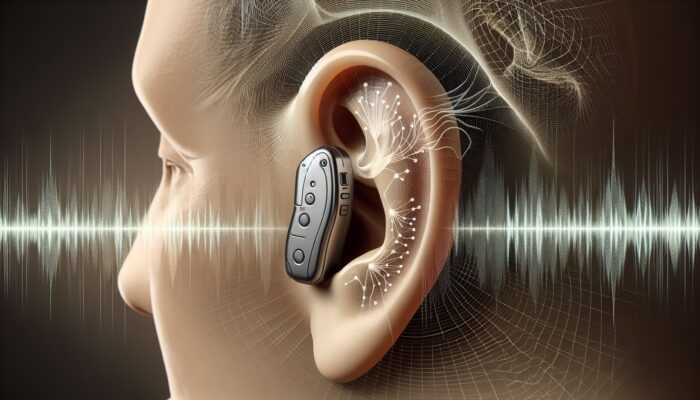
A close-up of a hearing aid capturing and amplifying sound waves for a person's ear.

Hearing aids are indispensable tools for individuals experiencing hearing loss, as they amplify sound to promote better understanding of auditory information. Their core function involves capturing sound through integrated microphones, converting it into digital signals, and amplifying these signals for transmission to the ear. This amplification process allows users to hear sounds that may have previously been inaudible, facilitating a clearer understanding of speech and enhancing their overall auditory experience. The effectiveness of hearing aids can vary based on individual needs and the degree of hearing loss; however, they remain essential instruments for improving quality of life.

What Types of Hearing Aids Cater to Different Needs?

A wide array of hearing aid models is available, each specifically designed with distinctive features to accommodate varying user needs and preferences. Behind-the-ear (BTE) models are widely valued for their user-friendly design and versatility. In-the-ear (ITE) aids offer a custom fit, providing a more discreet option, while completely-in-canal (CIC) hearing aids, although less visible, deliver a more natural listening experience. Each type presents its own advantages and disadvantages, enabling users to select based on comfort, visibility, and amplification requirements. Understanding these options is crucial for individuals seeking to effectively and comfortably enhance their speech clarity.

How Is Technology Shaping Modern Hearing Aids?

Contemporary hearing aids employ digital signal processing technology to significantly enhance sound quality and speech clarity. This advanced technology allows for precise adjustments tailored to each user’s unique hearing profile, optimising the amplification of speech frequencies while minimising background noise. Many modern devices feature enhancements such as feedback suppression, which eliminates distracting whistling sounds, and automatic adjustments that respond to varying environmental conditions. As hearing aid technology continues to advance, users benefit from ongoing improvements that enrich their auditory experiences, making communication more effective and enjoyable.

Maximising Speech Clarity with Hearing Aids

What Benefits Do Noise Reduction Features Provide?

Noise reduction is a crucial feature in modern hearing aids, specifically designed to eliminate unwanted background noise while enhancing speech clarity. Through advanced algorithms, these devices can differentiate between speech and ambient sounds, allowing users to concentrate on conversations without distractions. This functionality is particularly advantageous in noisy environments, such as bustling cafés or crowded workplaces, where background chatter can obscure essential verbal nuances. The ability to prioritise important sounds paves the way for more significant and engaging interactions, empowering users to confidently partake in social situations.

How Do Directional Microphones Enhance Conversations?

Directional microphones represent another innovative feature that significantly improves speech clarity in hearing aids. These microphones focus on sounds coming from specific directions, usually from the front, enabling users to concentrate on conversations even in lively environments. By reducing sounds from other directions, users can effectively isolate dialogue, making comprehension easier without excessive effort. This technology greatly enhances the overall user experience, especially in social gatherings or meetings, where multiple conversations may occur concurrently. For individuals seeking to enhance their communication abilities, the introduction of directional microphones is truly transformative.

How Does Frequency Compression Facilitate Better Understanding?

Frequency compression technology is vital for improving speech comprehension, particularly for those experiencing high-frequency hearing loss. It operates by compressing high-frequency sounds into lower frequencies that users can perceive more effectively. This adjustment preserves critical speech cues, such as consonants, which are essential for understanding language. By modifying sounds to a more accessible range, frequency compression empowers individuals to engage more fully in conversations and interactions, thereby enhancing their overall communication capabilities. This technology exemplifies how hearing aids can be finely tuned to meet specific auditory needs.

The Multifaceted Benefits of Enhanced Speech Clarity

How Does Clear Communication Strengthen Social Bonds?

Enhanced speech clarity can profoundly impact social interactions, enabling individuals to communicate more effectively and confidently. Clearer speech diminishes the chances of misunderstandings and promotes authentic conversations, fostering deeper connections among friends, family, and colleagues. In various social contexts, from casual get-togethers to formal events, the ability to articulate thoughts and respond clearly contributes to more enjoyable and fulfilling interactions. As relationships thrive through improved communication, individuals experience a heightened sense of belonging and emotional well-being, underscoring the significant benefits of how hearing aids enhance speech clarity.

How Does Clear Speech Foster Professional Success?

Within a professional setting, improved speech clarity can lead to increased productivity and heightened self-confidence. Clear communication is essential for effective collaboration, compelling presentations, and successful negotiations, where misunderstandings can result in costly mistakes. The ability to articulate ideas and engage in discussions clearly not only boosts job performance but also opens doors to career advancement opportunities. Employers benefit as well; teams composed of members who communicate effectively tend to exhibit greater cohesion and creativity. Investing in technologies that enhance speech clarity, such as hearing aids, is a wise decision for both individuals and organisations aspiring to succeed.

How Does Clear Communication Support Emotional Well-being?

The connection between communication and emotional well-being is irrefutable. When individuals can express their thoughts clearly and comprehend others without hindrances, it fosters a sense of empowerment and mitigates feelings of isolation. Improved speech clarity through hearing aids reduces frustration in social situations, allowing users to engage more comfortably and freely. This enhanced communication capability bolsters positive mental health, nurturing relationships that are crucial for emotional support and resilience. The advantages of improved speech clarity extend far beyond practical communication, significantly enriching the emotional lives of individuals.

Adapting to Life with Hearing Aids

What to Expect During the Initial Adjustment Phase

Adjusting to hearing aids represents a significant transition that demands patience and time. Many users encounter an initial adaptation phase during which they must acclimatise to the new sounds and sensations provided by their hearing aids. It is common to feel overwhelmed by an influx of auditory information, ranging from subtle environmental sounds to the full spectrum of conversations. This adjustment period can last from a few days to several weeks, influenced by personal experiences and the severity of hearing loss. Approaching this phase with an open mind is crucial for maximising the benefits of enhanced speech clarity.

How Do Professionals Customise and Fine-tune Hearing Aids?

Professional adjustments and fine-tuning are vital steps in optimising hearing aids to meet individual needs. Audiologists play an essential role in this process, tailoring settings based on the user’s specific hearing profile and lifestyle. Fine-tuning may involve adjusting sound levels, frequency responses, and noise reduction features to ensure optimal clarity across varied environments. This customisation is critical for maximising the effectiveness of hearing aids, as it allows users to experience tailored solutions that address their unique auditory challenges. Regular follow-ups with audiologists can further enhance hearing aid performance over time, ensuring enduring satisfaction.

Why Is Ongoing Support and Maintenance Essential for Hearing Aids?

Regular check-ups and maintenance are crucial for ensuring that hearing aids continue to operate effectively. Users should schedule periodic appointments with audiologists to evaluate the performance of their devices and make any necessary adjustments. Maintenance tasks may include cleaning, battery replacements, and software updates that enhance performance and longevity. By prioritising these ongoing support measures, users can enjoy consistent speech clarity and an improved auditory experience, minimising the likelihood of frustration or communication barriers over time.

What Strategies Can Help Users Adapt to Different Environments?

Learning to effectively utilise hearing aids in various settings is key to maximising their benefits. Users should develop adaptation strategies, such as selecting optimal seating arrangements in noisy restaurants or using assistive listening devices in larger venues. Familiarising oneself with different listening environments can build confidence in participating in conversations. Techniques like focusing on the speaker’s lips during discussions can further enhance sound clarity in challenging contexts. Mastering these strategies can significantly improve overall satisfaction with hearing aids and the communication experiences they facilitate.

How to Address Psychological Adjustments and Seek Support?

The psychological aspects of hearing loss can pose challenges for many users, making emotional support and counselling essential during the adjustment process. Coping with hearing loss may evoke feelings of frustration, isolation, and anxiety, negatively impacting an individual’s mental health. Seeking assistance from professionals who specialise in auditory-related psychological issues can provide valuable coping strategies and support systems. Counselling can empower users to view their hearing aids as tools for connection rather than limitations. This holistic approach to adjustment not only enhances speech clarity but also fosters resilience and emotional health.

Innovations Shaping Hearing Aid Technology

What Role Does Artificial Intelligence Play in Hearing Aids?

The integration of artificial intelligence (AI) into hearing aids represents a significant breakthrough in enhancing speech clarity. AI technology enables hearing aids to analyse sound environments in real-time, automatically adjusting settings to optimise clarity based on surrounding noise levels and sound types. This capability greatly improves the user experience, simplifying navigation through different auditory environments, from quiet meetings to vibrant social gatherings. As AI technology continues to evolve, the potential for further innovations in hearing aids promises even greater improvements in communication effectiveness and user satisfaction.

How Does Wireless Connectivity Enhance Communication?

Wireless connectivity in hearing aids allows for seamless integration with smartphones and other devices, improving speech clarity through direct streaming capabilities. This feature enhances communication during phone calls, video conferences, and audio streaming, providing users with a more immersive auditory experience. By connecting to various devices, hearing aids can automatically adjust settings according to context, further enhancing clarity in conversations. This level of connectivity empowers users to engage with modern communication methods without the barriers that traditional hearing aids may impose, significantly enriching their social interactions and daily experiences.

What Are the Future Trends in Hearing Aid Technology?

Ongoing research in hearing aid technology indicates promising innovations aimed at improving speech clarity. Emerging trends include the development of smaller, more discreet devices equipped with advanced functionalities, such as enhanced noise-cancellation and superior sound processing algorithms. Innovations in battery technology may also lead to longer-lasting devices with faster charging capabilities. As these advancements unfold, they will further empower individuals with hearing loss, allowing them to enjoy clearer communication and richer auditory experiences, thereby transforming their interactions with the world.

Guidelines for Selecting the Ideal Hearing Aid

How to Assess Personal Needs for Optimal Hearing Aid Selection?

Choosing the right hearing aid begins with a comprehensive evaluation of individual needs. Audiologists assess the severity of hearing loss, lifestyle preferences, and personal goals to recommend the most appropriate hearing aid model. This tailored approach ensures that users receive devices aligned with their unique auditory requirements, maximising the potential for improved speech clarity. Factors such as budget, desired features, and aesthetic preferences also play a significant role in the decision-making process. By understanding their specific needs, users can make informed choices that lead to more effective communication solutions and overall satisfaction.

Why Are Trial Periods and Demonstrations Important?

Trial periods and demonstrations are crucial elements of the hearing aid selection process. Many audiologists provide opportunities for users to test different models, allowing them to experience firsthand how each device enhances speech clarity in real-life situations. This practical approach enables users to assess their comfort levels, evaluate sound quality, and determine which features best suit their lifestyles. Engaging in trial periods empowers individuals to make confident decisions, ensuring they choose hearing aids that genuinely meet their needs and preferences for optimal communication.

What Should You Know About Costs and Insurance Considerations in Hearing Aid Selection?

Understanding the costs associated with hearing aids is vital for prospective users. Prices can vary significantly based on the features, technology, and brand of the device. Insurance coverage for hearing aids can differ widely, with some plans offering partial reimbursement while others might not cover expenses at all. Individuals should explore their insurance options and consider financial assistance programmes when budgeting for hearing aids. By being well-informed about costs and insurance considerations, users can navigate the financial landscape more effectively, ensuring access to the best solutions for their hearing needs.

Frequently Asked Questions About Hearing Aids

What Are the Main Benefits of Using Hearing Aids?

Hearing aids primarily enhance speech clarity, improve social interactions, boost confidence in professional settings, and contribute to overall emotional well-being. They make communication more accessible, significantly enriching the user’s quality of life and social engagement.

How Do Hearing Aids Enhance Speech Clarity?

Hearing aids improve speech clarity by amplifying sound, minimising background noise, and incorporating features such as directional microphones and frequency compression, enabling users to concentrate on conversations even in challenging auditory environments.

Do All Hearing Aids Feature the Same Capabilities?

No, hearing aids greatly differ in features based on models and brands. Some may include advanced options like noise reduction, wireless connectivity, and artificial intelligence integration, while others may focus primarily on basic amplification functionalities.

How Long Does It Usually Take to Adjust to Wearing Hearing Aids?

The adjustment period varies among individuals but typically ranges from a few days to several weeks. Users may initially feel overwhelmed as they acclimatise to new sounds and auditory information.

Can Hearing Aids Help with Background Noise?

Yes, many modern hearing aids feature noise reduction capabilities that assist in filtering out background noise, enabling users to concentrate more effectively on speech and significant sounds in their surroundings.

What Aspects Should I Consider When Choosing a Hearing Aid?

Consider factors such as the severity of hearing loss, lifestyle preferences, comfort, desired features, and budget. Consulting with an audiologist can provide valuable insights tailored to individual needs, ensuring the best choice of hearing aids.

Are Hearing Aids Covered by Insurance?

Coverage for hearing aids varies significantly among insurance plans. Some may offer partial reimbursement, while others might not provide coverage at all. It’s essential to verify with your provider for specific coverage details.

What Innovations Are Being Made in Hearing Aid Technology?

Recent advancements include the integration of artificial intelligence, improved noise cancellation, and enhanced wireless connectivity, all aimed at enhancing user experience and speech clarity in diverse environments.

How Frequently Should I Have My Hearing Aids Checked?

Regular check-ups are recommended every six months to maintain optimal functionality. This includes cleaning, maintenance checks, and potential adjustments to accommodate any changes in hearing needs.

Can I Wear My Hearing Aids While Exercising?

Yes, many hearing aids are designed to withstand sweat and moisture. It is advisable to consult with your audiologist regarding specific models that are best suited for active lifestyles and physical activities.

Follow our journey on X!

The post Hearing Aids Enhance Communication and Speech Clarity appeared first on The Microsuction Ear Wax Removal Network.

Originally posted 2025-05-08 03:12:21.

The post Hearing Aids Improve Speech Clarity and Communication Skills appeared first on Healthcare Marketing Service.

Posted on

Hearing Loss: Key Strategies for Effective Communication

Last Updated on 03/12/2025 by Admin

In-Depth Exploration of Hearing Loss and Its Implications

What Are the Primary Causes Contributing to Hearing Loss?

Hearing loss can arise from an array of factors, including aging, exposure to loud noises, and genetic predispositions, each resulting in a unique set of challenges that vary widely among individuals. As people progress in age, the delicate hair cells within the inner ear may experience damage, leading to a gradual decline in auditory capabilities. Moreover, consistent exposure to high decibel levels, whether in occupational environments or recreational activities, can inflict enduring auditory harm. Gaining a comprehensive understanding of the root causes of hearing loss is vital, as it informs effective management strategies and communication approaches that can alleviate its impact on daily lifestyle.

Furthermore, genetic factors play a significant role in determining susceptibility to hearing loss. Certain hereditary conditions may predispose individuals to hearing impairment, which can manifest at birth or develop progressively over time. By recognising these genetic implications, individuals and their families can proactively address hearing loss through appropriate measures. Engaging in professional assessments, such as audiograms, can provide clarity regarding the specific nature of the hearing loss, aiding in the identification of suitable communication strategies and technologies to enhance interpersonal interactions.

What Are the Various Categories of Hearing Loss?

Hearing loss is primarily classified into three distinct categories: conductive, <a href="https://www.earwaxremoval.net/conductive-vs-sensorineural-hearing-loss-essential-differences/">sensorineural</a>, and mixed, each presenting unique hurdles and necessitating tailored communication strategies. Conductive hearing loss occurs when sound waves encounter obstacles that hinder their passage through the outer ear canal to the eardrum and the small bones in the middle ear. This type of hearing loss is frequently treatable through medical intervention, including surgical procedures or the utilisation of hearing aids, making a thorough comprehension of its characteristics essential for effective communication.

In contrast, sensorineural hearing loss involves damage to the inner ear or the auditory nerve pathway that transmits signals to the brain. This form of hearing loss is generally permanent and often requires individuals to adapt their communication strategies significantly. Those experiencing sensorineural hearing loss may benefit from assistive listening devices, captioning services, or techniques that promote clear speech. Mixed hearing loss incorporates elements from both conductive and sensorineural types, thus necessitating a comprehensive communication approach that addresses both aspects effectively.

Understanding these distinctions is vital for anyone engaging with individuals experiencing hearing loss. By customising communication strategies to accommodate the specific type of hearing loss being faced, smoother interactions can occur, leading to enhanced understanding and effectiveness in daily communications.

How Does Hearing Loss Influence Communication Dynamics?

The ramifications of hearing loss on everyday communication can be profound, often resulting in misunderstandings and potential social withdrawal. For individuals contending with hearing loss, conversations can transform into frustrating experiences, especially in noisy settings where distinguishing sounds becomes increasingly challenging. Such frustrations may drive individuals to withdraw from social gatherings, exacerbating feelings of loneliness and isolation. Recognising these obstacles is crucial for fostering effective communication, as it enables friends, family, and colleagues to adapt their communication styles to be more inclusive and supportive.

Additionally, the psychological toll of hearing loss can be significant. Individuals may experience heightened anxiety during social interactions, fearing they might miss critical information or respond inappropriately due to misunderstandings. Creating a supportive atmosphere where individuals feel safe to express their communication needs can markedly enhance their social interactions. Encouraging patience and understanding from those around them fosters a sense of belonging, which is essential for emotional health.

Implementing inclusive communication strategies that accommodate hearing loss can profoundly transform interactions. Simple yet effective adjustments, such as maintaining eye contact and speaking clearly, can lead to remarkable improvements in communication. By promoting awareness and understanding of hearing loss, we empower individuals to engage more actively in conversations, enriching their lives and enhancing the experiences of those around them.

Proven Techniques for Effective Communication with Hearing Loss

What Are the Most Effective Techniques for Clear Speech?

To communicate effectively with individuals experiencing hearing loss, it is imperative to speak clearly, maintain a moderate pace, and ensure your face is visible for lip-reading. Enunciating words distinctly allows listeners with hearing challenges to pick up on visual cues, such as lip movements and facial expressions, which are integral to comprehension. Additionally, maintaining an appropriate volume is crucial; shouting can distort words, making them even more challenging to understand.

To facilitate clearer communication, consider implementing the following actionable strategies:

  • Maintain eye contact to assist the listener in reading your lips.
  • Speak at a moderate pace to allow time for processing.
  • Articulate words clearly, avoiding mumbling or slurring.
  • Be mindful of your surroundings; if it is noisy, relocate to a quieter area.
  • Encourage listeners to ask for clarification if they do not understand.
  • Use straightforward language and avoid idiomatic expressions that might confuse.
  • Rephrase rather than repeat if someone struggles to understand what has been said.
  • Check for understanding by asking the listener to summarise what you have conveyed.

By incorporating these techniques, you foster clearer and more effective communication, creating a more inclusive atmosphere for individuals with hearing loss.

Why Are Non-Verbal Cues Essential in Communication?

Non-verbal communication is crucial for conveying messages to individuals with hearing loss. Body language, gestures, and facial expressions provide essential context that verbal communication may lack. For instance, a warm smile or a nod can convey support and understanding, thereby enhancing connection and comprehension. To effectively utilise body language, consider these actionable steps:

  • Use gestures to emphasise key points or convey emotions.
  • Ensure your facial expressions align with your message; this reinforces understanding.
  • Maintain an open posture to invite engagement and convey approachability.
  • Utilise visual aids, such as pictures or diagrams, to illustrate complex ideas.
  • Be mindful of cultural variances in gestures, as they can differ significantly.
  • Encourage others to employ similar non-verbal cues to create a unified communication approach.
  • Practice active listening by nodding or using facial expressions that indicate engagement.
  • Use written notes or text to complement your verbal communication when necessary.

By leveraging the power of non-verbal cues, you can enhance communication effectiveness and establish a more comfortable environment for individuals with hearing loss, fostering deeper connections and understanding.

What Are the Best Practices for Utilising Technology to Aid Communication?

A range of technologies, including hearing aids and applications, can significantly improve communication for individuals with hearing loss. These tools are continually evolving, providing innovative solutions tailored to diverse needs. For instance, hearing aids have progressed from basic amplification devices to sophisticated tools equipped with Bluetooth connectivity, allowing users to stream audio directly from their smartphones or other devices. This functionality can make conversations and media consumption more accessible and enjoyable.

In addition to hearing aids, numerous applications are designed to assist individuals with hearing loss. Speech-to-text software can transcribe conversations in real-time, enabling users to follow discussions without relying solely on auditory cues. Both Android and iOS platforms offer various such applications, allowing users to select the ones that best align with their lifestyles. However, it is crucial to acknowledge that these technologies come with limitations. Background noise can interfere with the clarity of transmitted sound, and battery life can be a concern, especially during extended events.

To maximise the benefits of technology, consider implementing these best practices:

  • Regularly maintain and update hearing aids for optimal functionality.
  • Explore various applications and tools to find those that best suit your communication style.
  • Encourage family and friends to utilise compatible technology that enhances collective communication.
  • Participate in workshops or training sessions to learn how to use technology effectively.
  • Stay informed about advancements in hearing technology to leverage the latest features.
  • Seek recommendations from audiologists or hearing specialists regarding suitable devices.
  • Consider incorporating visual technology, such as caption displays, during group communications.
  • Utilise feedback tools to assess the effectiveness of technology in various settings.

By embracing these technological advancements while remaining cognizant of their limitations, individuals with hearing loss can significantly enhance their communication capabilities and overall quality of life.

How Can We Cultivate an Inclusive Environment for Individuals with Hearing Loss?

Creating a supportive environment by minimising background noise and employing visual aids can greatly improve communication for individuals with hearing loss. It is essential to establish settings that prioritise acoustic accessibility, particularly in public spaces, workplaces, and educational institutions. Simple modifications, such as adding carpeting or using sound-absorbing materials, can reduce echo and lower overall noise levels, making conversations easier to follow.

In addition to managing sound, employing visual aids can effectively bridge communication gaps. For instance, in group settings, providing written agendas or visual presentations ensures that everyone remains aligned. Incorporating captioning services during meetings or events not only supports those with hearing loss but also benefits individuals who may struggle with comprehension for other reasons, creating a more inclusive atmosphere for all participants.

To create a truly inclusive environment, consider implementing the following strategies:

  • Evaluate and adjust the acoustics of meeting spaces to enhance clarity.
  • Encourage the use of visual aids, such as slides or infographics, to improve understanding.
  • Offer captioning services during presentations to facilitate comprehension.
  • Designate quiet areas in busy environments for private conversations.
  • Train staff and colleagues on effective communication strategies for inclusivity.
  • Solicit feedback from individuals with hearing loss to identify areas for improvement.
  • Encourage open discussions about hearing loss to foster understanding and empathy.
  • Promote awareness campaigns to educate others about the importance of accessible communication.

By making these thoughtful adjustments, you create an environment where individuals with hearing loss can thrive, engage, and communicate more effectively.

What Strategies Can Enhance Group Conversations for Individuals with Hearing Loss?

Group conversations present unique challenges for individuals with hearing loss; ensuring everyone can participate requires thoughtful facilitation and clear strategies. One effective approach is to establish ground rules for communication within the group. For example, encouraging individuals to take turns speaking can prevent overlapping dialogue that may confuse those relying on lip-reading or auditory processing.

Moreover, summarising key points throughout the discussion can reinforce understanding for all participants. After a speaker has made a point, the facilitator can reiterate the main ideas to ensure clarity. This practice also allows individuals with hearing loss to catch up on any information they may have missed during the initial delivery.

Implementing the following strategies can significantly enhance group communication:

  • Encourage one person to speak at a time to avoid crowded dialogue.
  • Summarise key points after each speaker to reinforce understanding.
  • Utilise hand signals or visual cues to indicate when it is someone’s turn to speak.
  • Be mindful of seating arrangements, positioning individuals with hearing loss where they can see all speakers.
  • Invite feedback on communication preferences from participants with hearing loss.
  • Utilise technology, such as microphones or amplification devices, to enhance sound for everyone.
  • Encourage group members to be patient and supportive, fostering an inclusive atmosphere.
  • Consider using a whiteboard or flip chart to jot down key ideas during discussions.

By incorporating these practices, you cultivate an environment where everyone has the opportunity to engage meaningfully in group conversations, thereby enriching the overall experience for all participants.

Effective Techniques for Enhancing Communication with Hearing Loss

How Can You Improve Lip-Reading Skills?

Lip-reading can serve as a valuable skill for those with hearing loss, improving their ability to comprehend spoken language. Enhancing lip-reading skills involves practice and awareness of various factors that can influence success. Individuals can benefit from exercises aimed at recognising facial movements, contextual clues, and the importance of environmental awareness.

To bolster lip-reading abilities, consider the following exercises:

  • Practice reading along with videos or TV shows, concentrating on the speaker’s lips.
  • Engage in conversational practice with friends or family members, encouraging clear articulation.
  • Use mirror exercises to become aware of your lip movements and how they correspond to sounds.
  • Play word recognition games that focus on visual cues and lip shapes.
  • Attend workshops or classes focused on improving lip-reading techniques.
  • Record yourself speaking to assess the clarity of your lip movements.
  • Focus on distinguishing between similar-sounding words based on lip movements.
  • Join local support groups where lip-reading is practised regularly.

By integrating these exercises into daily life, individuals can enhance their lip-reading skills, leading to more effective communication and reduced frustration in social situations.

How Can You Utilise Written Communication Effectively?

Written notes or text messages offer an efficient means of clear communication with someone who has hearing loss. When verbal communication falls short, written communication serves as a reliable alternative, bridging gaps that could otherwise hinder understanding. Clarity and brevity are paramount in written communication, ensuring the intended message is conveyed without unnecessary confusion.

Incorporating written communication strategies involves considering the context and the individual’s preferences. For example, providing printed materials or handouts during meetings or discussions reinforces the spoken word. Text messaging or utilizing instant messaging platforms can also facilitate real-time communication, allowing individuals to share thoughts and ideas seamlessly.

To optimise written communication, consider these tips:

  • Use clear and concise language, avoiding jargon that may lead to confusion.
  • Highlight critical information, using bullet points for easy scanning.
  • Encourage the use of digital platforms that allow for quick exchanges.
  • Be patient and willing to repeat or clarify written messages as needed.
  • Incorporate visual aids, such as charts or graphs, to complement written information.
  • Foster an environment where individuals feel comfortable asking for written clarification.
  • Encourage collaborative note-taking during group discussions to enhance comprehension.
  • Explore alternative formats, such as videos with subtitles, to support understanding.

By embracing written communication alongside verbal strategies, individuals with hearing loss can engage more fully in conversations, fostering a sense of connection and inclusion.

What Are the Benefits of Learning Sign Language?

Sign language provides a comprehensive communication system for those with severe hearing loss, facilitating better social interactions. By utilising sign language, individuals can articulate their thoughts fully and engage in meaningful conversations with ease. This visual language incorporates hand signs, facial expressions, and body movements, making it a powerful tool for conveying meaning and emotions effectively.

Learning sign language can open new avenues of communication and enhance social inclusion for those with hearing loss. Not only does it empower individuals to express their thoughts and feelings, but it also fosters community connections among users. Classes in sign language are available in many regions worldwide, offering opportunities for learners of all ages to acquire this essential skill.

Here are some benefits of learning and using sign language:

  • Enhances independence in communication, allowing individuals to express themselves confidently.
  • Strengthens community bonds among those who use sign language.
  • Facilitates more manageable interactions with both hearing and deaf individuals.
  • Promotes awareness and understanding of diverse communication methods.
  • Encourages cultural appreciation for the deaf community and its rich history.
  • Provides an inclusive communication tool that transcends language barriers.
  • Supports cognitive development and memory through visual learning techniques.
  • Offers a means to convey complex concepts that may be challenging in spoken language.

By learning and advocating for sign language, we can all contribute to a more inclusive society where individuals with hearing loss can thrive and connect meaningfully with others.

How Can Speech-to-Text Technology Assist Individuals with Hearing Loss?

Speech-to-text technology converts spoken words into written text, assisting individuals with hearing loss in understanding conversations in real-time and participating more fully in discussions. This technology plays a pivotal role in various settings, including classrooms, workplaces, and social gatherings, where auditory comprehension may pose challenges.

For those with hearing loss, speech-to-text applications can provide immediate transcription of spoken language, making interactions more accessible. Users can follow along with discussions, ensuring they do not miss critical information. As this technology continues to evolve, many applications now offer features such as highlighting speakers and differentiating between various voices, further enhancing usability.

To harness the benefits of speech-to-text technology, consider these practices:

  • Research and select the most effective speech-to-text applications for your specific needs.
  • Promote the use of these tools in group settings to facilitate inclusive conversations.
  • Familiarise yourself with the application’s features to maximise its effectiveness.
  • Practice using the technology in different environments to assess performance.
  • Encourage group members to speak clearly and at a moderate pace for better transcription.
  • Stay updated on advancements in speech-to-text technology to leverage innovative features.
  • Share success stories and experiences with others to promote awareness of this technology.
  • Utilise feedback mechanisms to assess the effectiveness of the technology in various settings.

By integrating speech-to-text technology into daily communication practices, individuals with hearing loss can significantly enhance their ability to engage with the world around them, fostering inclusion and understanding.

Evidence-Based Advantages of Effective Communication for Individuals with Hearing Loss

How Do Effective Communication Strategies Enhance Overall Quality of Life?

Implementing effective communication strategies can profoundly improve the quality of life for individuals with hearing loss. Research indicates that enhanced communication correlates with increased social engagement and emotional well-being for those affected. Individuals who feel understood and included are more likely to participate in social activities, cultivating a sense of belonging that is crucial for mental health.

By adopting inclusive communication practices, family members, friends, and colleagues can create supportive environments that encourage individuals with hearing loss to express themselves freely. These positive interactions can boost confidence and self-esteem, enabling individuals to navigate social situations more effectively. Moreover, improved communication can lead to deeper relationships, enriching the overall quality of life.

To further enhance the quality of life for those with hearing loss, consider these strategies:

  • Encourage open dialogue about hearing loss to promote understanding among peers.
  • Implement effective communication techniques in both personal and professional environments.
  • Provide access to resources and support groups that foster social engagement.
  • Highlight success stories to showcase the positive impact of improved communication.
  • Promote awareness campaigns that educate others about hearing loss and its challenges.
  • Invite individuals with hearing loss to share their experiences and insights.
  • Support advocacy initiatives that prioritise accessibility and inclusion.
  • Establish mentorship programmes that connect individuals with hearing loss to role models.

By prioritising effective communication strategies, we can profoundly enhance the lives of individuals with hearing loss, creating a more inclusive society that values diversity and fosters connection.

How Can Clear Communication Minimise Misunderstandings?

Clear communication significantly reduces the likelihood of misunderstandings, which can lead to frustration for both hearing-impaired individuals and their conversational partners. Misunderstandings can trigger confusion, embarrassment, and even social withdrawal. Adopting effective communication strategies can minimise these occurrences, resulting in smoother interactions.

When individuals embrace clear speech techniques, utilise non-verbal cues, and leverage technology, they create a more conducive environment for effective communication. Encouraging patience and understanding among conversational partners fosters a sense of respect and empathy. This supportive atmosphere can alleviate anxiety for individuals with hearing loss, empowering them to engage more fully in conversations.

To further reduce misunderstandings, consider these techniques:

  • Encourage clarifying questions to ensure mutual understanding.
  • Summarise discussions periodically to reinforce comprehension.
  • Utilise visual aids to complement verbal information.
  • Be mindful of the pace and clarity of speech when engaging in conversation.
  • Foster a culture of patience and understanding among peers.
  • Promote the use of technology that enhances communication for all participants.
  • Provide opportunities for individuals with hearing loss to practice conversation skills.
  • Encourage group discussions that emphasise clarity and understanding.

By focusing on clear communication techniques, we can significantly reduce misunderstandings, fostering a more inclusive and supportive environment for individuals with hearing loss.

What Is the Importance of Early Intervention in Hearing Loss?

Early intervention in communication strategies can prevent long-term social isolation and improve outcomes for individuals with hearing loss. Identifying hearing loss at a young age enables timely interventions, such as hearing aids or therapy, which can enhance communication skills and facilitate social interactions. This proactive approach can have a profound impact on an individual’s quality of life and social development.

Research suggests that early identification and support result in better educational and social outcomes for children with hearing loss. Families that engage in early intervention programmes equip their children with the necessary tools to communicate effectively, fostering positive relationships with peers and adults alike. For adults, early intervention can help maintain social connections and prevent feelings of isolation.

To maximise the benefits of early intervention, consider these strategies:

  • Promote regular hearing screenings for children and adults, particularly in at-risk populations.
  • Encourage families to seek professional assessments when signs of hearing loss are observed.
  • Provide access to resources and support networks for families navigating hearing loss.
  • Foster community awareness campaigns that emphasise the importance of early intervention.
  • Support educational initiatives that train professionals in identifying hearing loss.
  • Encourage participation in therapy and support groups to enhance communication skills.
  • Highlight the success stories of individuals who benefitted from early intervention.
  • Engage in discussions about hearing health to promote understanding and support.

By prioritising early intervention strategies, we can significantly improve the social and emotional well-being of individuals with hearing loss, ensuring they possess the tools necessary to thrive.

How to Foster an Inclusive Environment for Individuals with Hearing Loss

What Strategies Can Make Social Gatherings More Accessible?

Social gatherings can pose challenges for individuals with hearing loss; making them more accessible involves thoughtful planning and adjustments. The environment plays a crucial role in ensuring that everyone can participate fully in conversations and activities. Consider the acoustics of the venue; spaces with hard surfaces can amplify noise, making it challenging for individuals with hearing loss to follow conversations.

To improve accessibility, provide visual aids and ensure that quiet spaces are available for private conversations. Encouraging the use of technology, such as microphones or amplification systems, can also facilitate better communication during larger gatherings. Thoughtful seating arrangements, positioning individuals with hearing loss closer to speakers or in quieter corners, can significantly enhance their experience.

Here are some strategies to create accessible social gatherings:

  • Assess the venue for acoustics and make necessary adjustments.
  • Provide visual aids, such as printed materials or presentations, to support discussions.
  • Encourage the use of amplification devices, where applicable.
  • Create designated quiet areas for private conversations away from noise.
  • Be mindful of seating arrangements to enhance visibility and hearing.
  • Invite input from individuals with hearing loss on how to improve accessibility.
  • Train hosts and attendees on effective communication strategies.
  • Promote awareness of hearing loss challenges during planning discussions.

By implementing these strategies, you can create social gatherings that are more inclusive, allowing individuals with hearing loss to engage fully and enjoy meaningful interactions with others.

What Accommodations Can Workplaces Implement for Inclusivity?

Workplaces can adopt various accommodations to support employees with hearing loss, thus enhancing their productivity and job satisfaction. Ensuring that all employees can communicate effectively is vital for cultivating an inclusive work environment. Simple adjustments, such as providing captioning services during meetings or using noise-cancelling headphones, can significantly improve the experience for those with hearing loss.

Training programmes for colleagues on effective communication strategies can also foster a culture of understanding and support. Encouraging open discussions about hearing loss and creating opportunities for feedback allows employees to voice their needs, leading to more tailored accommodations.

Consider these accommodations to support employees with hearing loss:

  • Offer captioned meetings or video conferences for clarity.
  • Utilise hearing loops or amplification devices to minimise background noise.
  • Provide written agendas to supplement verbal discussions during meetings.
  • Encourage the use of instant messaging platforms for clear communication.
  • Implement regular training for all staff on inclusive communication practices.
  • Foster a culture of openness where employees feel comfortable discussing their needs.
  • Solicit feedback regularly to assess the effectiveness of accommodations.
  • Promote an inclusive workplace policy that prioritises accessibility for all employees.

By prioritising these accommodations, workplaces can create an environment where employees with hearing loss feel valued and empowered, leading to increased productivity and job satisfaction.

How Can Educational Settings Support Students with Hearing Loss?

Educational environments can be adapted to better support students with hearing loss, ensuring they receive equal educational opportunities. Creating an inclusive classroom involves incorporating various communication strategies that cater to diverse learning needs. Teachers can utilise visual aids, such as charts and videos, to supplement verbal instruction, thereby enhancing understanding for all students.

Additionally, providing note-takers or captioning services during lectures can further support students with hearing loss. Training educators in inclusive communication techniques ensures they can effectively engage all learners, fostering a supportive atmosphere conducive to academic success.

To create supportive educational settings, consider implementing these strategies:

  • Utilise visual aids to enhance instructional materials.
  • Ensure access to note-takers or captioning services during lectures.
  • Provide professional development for educators on inclusive communication techniques.
  • Encourage collaborative learning opportunities that promote peer engagement.
  • Facilitate regular communication between educators and families regarding student needs.
  • Implement assistive technologies, such as hearing devices, in the classroom.
  • Foster discussions about hearing loss to promote understanding among students.
  • Evaluate the learning environment regularly to identify areas for improvement.

By adopting these strategies, educational institutions can create environments that support students with hearing loss, empowering them to thrive academically and socially.

Sharing Personal Experiences and Insights on Hearing Loss

What Is the Reality of Living with Hearing Loss?

Personal accounts from individuals with hearing loss provide invaluable insights into their daily experiences and challenges, illuminating the real-life impact of hearing impairment. Hearing firsthand experiences can offer significant perspectives on the importance of effective communication strategies. Many individuals recount the frustration of missing out on conversations, social gatherings, or even critical information in professional settings, leading to feelings of isolation.

For some, adapting to hearing loss involves a journey of self-discovery, learning to advocate for their communication needs and seeking supportive environments. These personal narratives often highlight the transformative power of communication strategies, showcasing how minor adjustments can lead to substantial improvements in daily interactions. Understanding the diverse experiences of individuals with hearing loss fosters empathy and encourages communities to embrace inclusivity.

Sharing personal stories can also inspire others facing similar challenges. By openly discussing their journeys, individuals with hearing loss can provide guidance and support, building a sense of camaraderie among those navigating comparable experiences. These narratives remind us that effective communication is not solely about the spoken word but also about the connections forged between individuals.

How Do Family and Friends Experience Hearing Loss?

The experiences of family members and friends can accentuate the broader impact of hearing loss and highlight the significance of effective communication. Loved ones often play a crucial role in supporting individuals with hearing loss, learning to adjust their communication styles to enhance understanding. Many families report feeling the weight of responsibility, striving to create supportive environments where their loved ones feel included and valued.

Family members frequently share their challenges in navigating conversations, learning to foster patience and clarity in their interactions. These experiences underscore the importance of open communication about hearing loss within families. By nurturing understanding, family members can collaborate to develop strategies that promote inclusivity, ensuring that everyone can participate in conversations and activities.

Friends may also modify their communication methods, employing clear speech and visual cues to facilitate understanding. These adjustments not only strengthen friendships but also enrich social experiences for individuals with hearing loss. By sharing their perspectives, families and friends can offer valuable insights that inform best practices for effective communication.

What Are Some Inspiring Success Stories in Communication Strategies?

Stories of successful communication strategies can inspire and guide others in managing hearing loss effectively. Numerous individuals share experiences of overcoming challenges through innovative approaches, illustrating how determination and resourcefulness can lead to positive outcomes. For instance, some individuals have discovered that joining support groups or community organisations has provided them with valuable resources and connections, empowering them to advocate for their communication needs.

Success stories often emphasise the importance of collaboration, showcasing how families, friends, and professionals can unite to create supportive environments. By sharing these narratives, individuals with hearing loss can inspire others to adopt similar strategies, fostering a sense of hope and possibility for those facing comparable challenges.

These success stories also underline the transformative power of technology in enhancing communication. Many individuals recount how hearing aids, speech-to-text applications, and sign language have enriched their ability to connect with others, improving their social lives and boosting their confidence. By highlighting these positive experiences, we can encourage others to explore the variety of approaches available for managing hearing loss effectively.

How Has Technology Helped Overcome Communication Challenges?

Personal stories highlighting how technology aids in managing hearing loss reveal its profound impact on communication and quality of life. Many individuals share their journeys toward discovering assistive devices and applications that have transformed their interactions. For example, some individuals recount how hearing aids, once viewed as a stigma, have evolved into valuable tools that empower them to engage more fully in conversations.

Others emphasise the advantages of speech-to-text technology, describing experiences where real-time transcription has enabled them to participate actively in discussions, whether in classrooms, workplaces, or social occasions. The ability to read spoken words in real-time enhances understanding and fosters confidence in social situations.

Moreover, technology has facilitated connections within the deaf community. Many individuals report how social media platforms and online forums have created spaces to share experiences, exchange tips, and build supportive networks. These connections demonstrate how technology can bridge gaps, fostering a sense of belonging and inclusion among individuals with hearing loss.

By sharing these personal stories, we can inspire others to investigate technological solutions, emphasising the potential for improved communication and quality of life. Each narrative serves as a testament to the resilience and adaptability of individuals with hearing loss, showcasing the transformative power of technology in overcoming challenges.

FAQs About Hearing Loss and Communication

What Is the Most Common Cause of Hearing Loss?

The most common cause of hearing loss is age-related degeneration of the auditory system, known as presbycusis. Other significant factors include noise exposure and genetic predispositions.

Can Hearing Loss Be Reversed?

In many cases, hearing loss cannot be reversed, particularly for age-related or sensorineural types. However, some conductive hearing loss can be treated medically or surgically.

How Do I Know If I Have Hearing Loss?

Signs of hearing loss may include difficulty understanding conversations, especially in noisy environments, frequently asking others to repeat themselves, or noticing a decline in the ability to hear high-pitched sounds.

What Communication Strategies Work Best for Someone with Hearing Loss?

Effective communication strategies include speaking clearly, using visual cues, employing written communication, and utilising technology such as hearing aids or speech-to-text applications.

How Can I Support a Friend or Family Member with Hearing Loss?

Support can be provided by being patient, using clear speech, reducing background noise, and encouraging open discussions about communication preferences and needs.

What Is the Role of Assistive Technology in Communication?

Assistive technology, such as hearing aids and speech-to-text apps, enhances communication by improving auditory clarity and enabling real-time transcription of spoken language.

Is Sign Language Difficult to Learn?

While sign language has its complexities, many find it enjoyable and rewarding to learn. Consistent practice and immersion in the deaf community can enhance learning experiences.

How Can Workplaces Be More Inclusive for Employees with Hearing Loss?

Workplaces can implement accommodations such as captioned meetings, assistive listening devices, and training for staff on effective communication practices to foster inclusivity.

What Are the Benefits of Early Intervention in Hearing Loss?

Early intervention can lead to better outcomes in communication, social integration, and academic success. Timely support helps individuals develop essential skills and prevent social isolation.

Where Can I Find Resources for Hearing Loss Support?

Resources can be found through organisations specialising in hearing loss, local support groups, and online forums, providing valuable information and networking opportunities for individuals and families.

Explore our world on X!

The post Communicate with Hearing Loss: Essential Strategies for Success appeared first on The Microsuction Ear Wax Removal Network.

Posted on

Essential Strategies for Success in Communicating with Hearing Loss

Last Updated on 03/12/2025 by Admin

In-Depth Explanation of Hearing Loss Causes and Effects

What Are the Primary Factors Contributing to Hearing Loss?

Hearing loss can arise from a multitude of factors, including aging, exposure to loud noises, and genetic predispositions, which lead to a wide array of effects that vary significantly from person to person. As individuals age, the delicate hair cells in the inner ear may become damaged, resulting in a gradual decline in hearing ability. Furthermore, continuous exposure to loud sounds—whether in work environments or during recreational activities—can result in irreversible auditory damage. Gaining an understanding of these underlying causes is crucial, as it informs effective management strategies and communication methods that can help alleviate the impact of hearing loss on everyday life.

Genetic factors play a critical role in hearing loss as well. Certain hereditary conditions may increase the likelihood of hearing impairment, which can manifest at birth or develop later in life. By understanding these genetic influences, individuals and their families can take proactive steps to manage hearing loss efficiently. Seeking professional assessments, such as audiograms, can clarify the precise nature of the hearing impairment, guiding the choice of appropriate communication strategies and technologies to enhance interpersonal interactions.

What Are the Various Categories of Hearing Loss?

Hearing loss is generally classified into three main types: conductive, sensorineural, and mixed, each presenting distinct challenges and requiring tailored communication strategies. Conductive hearing loss occurs when sound waves are unable to travel efficiently through the outer ear canal to the eardrum and the small bones in the middle ear. This type of hearing loss is often treatable through medical interventions such as surgery or the use of hearing aids, making it vital to understand its characteristics for effective communication.

On the other hand, sensorineural hearing loss involves damage to the inner ear or the auditory nerve pathways that lead to the brain. This type of hearing loss is typically permanent and often necessitates significant adjustments in communication strategies. Individuals with sensorineural hearing loss might benefit from assistive listening devices, captioning services, or methods that emphasise clear speech. Mixed hearing loss consists of elements from both conductive and sensorineural hearing loss, requiring a comprehensive approach to communication.

Recognising these distinctions is essential for anyone engaging with individuals experiencing hearing loss. By tailoring communication strategies to address the specific type of hearing loss, individuals can achieve smoother interactions, thereby enhancing comprehension and effectiveness in everyday situations.

How Does Hearing Loss Impact Communication Effectively?

The effects of hearing loss on everyday communication can be significant, often resulting in misunderstandings and possible social isolation. For those facing hearing loss, conversations can become frustrating, especially in noisy environments where distinguishing between sounds becomes increasingly challenging. These frustrations can lead to withdrawal from social activities, thereby exacerbating feelings of loneliness and isolation. Recognising these difficulties is vital for promoting effective communication, as it allows friends, family, and colleagues to adapt their communication methods to be more inclusive and supportive.

Moreover, the psychological implications of hearing loss can be considerable. Individuals may experience increased anxiety in social situations, concerned about missing crucial information or responding inappropriately due to misunderstandings. Creating a supportive atmosphere where individuals feel comfortable expressing their communication needs can greatly enhance their social interactions. Encouraging patience and understanding from those around them fosters a sense of belonging, which is crucial for emotional health.

Implementing inclusive communication strategies that consider hearing loss can dramatically transform interactions. Simple modifications, such as maintaining eye contact and articulating words clearly, can significantly improve communication clarity. By raising awareness and understanding of hearing loss, we empower individuals to participate more actively in conversations, enriching both their lives and those of their companions.

Proven Techniques for Effective Communication with Hearing Loss

What Are the Optimal Practices for Clear Speech?

To communicate effectively with individuals experiencing hearing loss, it is crucial to speak clearly, maintain a moderate pace, and ensure that your face is visible for lip-reading purposes. Enunciating words distinctly allows listeners who face hearing challenges to pick up on visual cues, such as lip movements and facial expressions, which are essential for comprehension. Maintaining a suitable volume is equally important; shouting can distort words, making them even harder to understand.

To promote clearer communication, consider implementing the following strategies:

  • Maintain eye contact to assist the listener in reading your lips.
  • Speak at a moderate pace, allowing time for processing.
  • Articulate words clearly, avoiding mumbling or slurring.
  • Be aware of background noise; if it is loud, consider moving to a quieter location.
  • Encourage listeners to ask for clarification if they do not understand.
  • Utilise straightforward language, steering clear of idiomatic expressions that could confuse.
  • Rephrase rather than repeat if someone struggles to comprehend what has been said.
  • Check for understanding by asking the listener to summarise what you have communicated.

By incorporating these techniques, you foster clearer, more effective communication, thereby creating a more inclusive environment for individuals with hearing loss.

Why Are Non-Verbal Cues Essential in Communication?

Non-verbal communication is crucial for conveying messages to individuals with hearing loss. Body language, gestures, and facial expressions provide essential context that verbal communication may lack. For instance, a friendly smile or a nod can convey support and understanding, enhancing connection and comprehension. To utilise body language effectively, consider these actionable steps:

  • Employ gestures to underscore key points or express emotions.
  • Ensure your facial expressions align with your message to reinforce understanding.
  • Maintain an open posture to invite engagement and communicate approachability.
  • Utilise visual aids, such as pictures or diagrams, to illustrate complex ideas.
  • Be aware of cultural variations in gestures, as they can differ significantly.
  • Encourage others to use similar non-verbal cues to create a unified communication approach.
  • Practice active listening by nodding or using facial expressions that indicate engagement.
  • Employ written notes or text to complement your verbal communication when necessary.

By harnessing the power of non-verbal cues, you can enhance communication effectiveness and create a more comfortable environment for individuals with hearing loss, fostering deeper connections and understanding.

What Are the Most Effective Practices for Using Technology to Aid Communication?

A range of technologies, including hearing aids and applications, can significantly improve communication for individuals with hearing loss. These tools are continuously advancing, offering innovative solutions that cater to diverse needs. For example, hearing aids have evolved from basic amplification devices into sophisticated tools equipped with Bluetooth connectivity, allowing users to stream audio directly from smartphones or other devices. This feature can make conversations and media consumption significantly more accessible and enjoyable.

In addition to hearing aids, numerous applications are designed specifically to assist individuals with hearing loss. Speech-to-text applications can transcribe conversations in real-time, enabling users to follow discussions without relying solely on auditory cues. Both Android and iOS platforms provide a variety of such applications, allowing users to select those that best fit their lifestyles. However, it is crucial to acknowledge that these technologies may have limitations. Background noise can interfere with sound clarity, and battery life can be a concern, particularly during extended events.

To maximise the benefits of technology, consider implementing these best practices:

  • Regularly maintain and update hearing aids to ensure optimal performance.
  • Explore various applications and tools to identify those that best suit your communication style.
  • Encourage family and friends to use compatible technology that enhances collective communication.
  • Participate in workshops or training sessions to learn how to utilise technology effectively.
  • Stay informed about advancements in hearing technology to leverage the latest features.
  • Seek recommendations from audiologists or hearing specialists regarding suitable devices.
  • Consider incorporating visual technology, such as caption displays, during group communications.
  • Utilise feedback tools to assess the effectiveness of technology in various settings.

By embracing these technological advancements while remaining mindful of their limitations, individuals with hearing loss can significantly enhance their communication capabilities and overall quality of life.

How Can We Foster an Inclusive Environment for Individuals with Hearing Loss?

Creating a supportive atmosphere through background noise reduction and the utilisation of visual aids can significantly improve communication for individuals with hearing loss. It is essential to develop environments that prioritise acoustic accessibility, particularly in public spaces, workplaces, and educational settings. Simple modifications, such as adding carpeting or utilising sound-absorbing materials, can reduce echo and lower overall noise levels, making conversations easier to follow.

In addition to sound management, employing visual aids can effectively bridge communication gaps. For example, in group settings, providing written agendas or visual presentations helps ensure that everyone is on the same page. Incorporating captioning services during meetings or events not only supports those with hearing loss but also benefits individuals who may struggle with comprehension for other reasons, promoting a more inclusive atmosphere for all participants.

To create a truly inclusive environment, consider implementing the following strategies:

  • Evaluate and adjust the acoustics of meeting spaces to enhance clarity.
  • Encourage the use of visual aids, such as slides or infographics, to improve understanding.
  • Offer captioning services during presentations to facilitate comprehension.
  • Designate quiet areas in busy environments for private conversations.
  • Train staff and colleagues on effective communication strategies for inclusivity.
  • Solicit feedback from individuals with hearing loss to identify areas for improvement.
  • Encourage open discussions about hearing loss to foster understanding and empathy.
  • Promote awareness campaigns to educate others about the importance of accessible communication.

By making these thoughtful adjustments, you create an environment where individuals with hearing loss can thrive, engage, and communicate more effectively.

What Are the Best Practices for Group Conversations Involving Individuals with Hearing Loss?

Group conversations present unique challenges for individuals with hearing loss; ensuring everyone can participate effectively requires thoughtful facilitation and clear strategies. One effective approach is to establish ground rules for communication within the group. For instance, encouraging individuals to take turns speaking can prevent overlapping dialogue that may confuse those relying on lip-reading or auditory processing.

Moreover, summarising key points throughout the discussion can reinforce understanding for all participants. After a speaker has made a point, the facilitator can reiterate the main ideas to ensure clarity. This practice also allows individuals with hearing loss to catch up on any information they may have missed during the initial delivery.

Implementing the following strategies can significantly enhance group communication:

  • Encourage one person to speak at a time to avoid crowded dialogue.
  • Summarise key points after each speaker to reinforce understanding.
  • Utilise hand signals or visual cues to indicate when it is someone’s turn to speak.
  • Be mindful of seating arrangements, positioning individuals with hearing loss where they can see all speakers.
  • Invite feedback on communication preferences from participants with hearing loss.
  • Utilise technology, such as microphones or amplification devices, to enhance sound for everyone.
  • Encourage group members to be patient and supportive, fostering an inclusive atmosphere.
  • Consider using a whiteboard or flip chart to jot down key ideas during discussions.

By incorporating these practices, you cultivate an environment where everyone has the opportunity to engage meaningfully in group conversations, thereby enriching the overall experience for all participants.

Proven Techniques for Enhancing Communication with Hearing Loss

How Can You Improve Lip-Reading Skills Effectively?

Lip-reading can be an invaluable skill for individuals with hearing loss, enhancing their ability to comprehend spoken language. Improving lip-reading skills involves practice and an awareness of various factors that can influence success. Individuals can benefit from exercises aimed at recognising facial movements, contextual clues, and the significance of environmental awareness.

To strengthen lip-reading abilities, consider the following exercises:

  • Practice reading along with videos or television shows, focusing on the speaker’s lips.
  • Engage in conversational practice with friends or family members, encouraging clear articulation.
  • Utilise mirror exercises to become aware of your lip movements and how they correspond to sounds.
  • Play word recognition games that emphasise visual cues and lip shapes.
  • Attend workshops or classes focused on improving lip-reading techniques.
  • Record yourself speaking to evaluate the clarity of your lip movements.
  • Concentrate on distinguishing between similar-sounding words based on lip movements.
  • Join local support groups where lip-reading is practised regularly.

By integrating these exercises into daily routines, individuals can enhance their lip-reading skills, leading to more effective communication and reduced frustration in social situations.

How Can You Use Written Communication Effectively for Hearing Loss?

Written notes or text messages provide an effective means of clear communication with someone experiencing hearing loss. When verbal communication falls short, written communication serves as a reliable alternative, bridging gaps that could otherwise hinder understanding. Clarity and brevity are essential in written communication, ensuring that the intended message is conveyed without unnecessary confusion.

Incorporating written communication strategies involves considering the context and the individual’s preferences. For instance, providing printed materials or handouts during meetings or discussions reinforces the spoken word. Text messaging or utilising instant messaging platforms can also facilitate real-time communication, allowing individuals to share thoughts and ideas seamlessly.

To optimise written communication, consider these tips:

  • Use clear and concise language, avoiding jargon that may lead to confusion.
  • Highlight critical information, using bullet points for easy scanning.
  • Encourage the use of digital platforms that allow for quick exchanges.
  • Be patient and willing to repeat or clarify written messages as needed.
  • Incorporate visual aids, such as charts or graphs, to complement written information.
  • Foster an environment where individuals feel comfortable asking for written clarification.
  • Encourage collaborative note-taking during group discussions to enhance comprehension.
  • Explore alternative formats, such as videos with subtitles, to support understanding.

By embracing written communication alongside verbal strategies, individuals with hearing loss can engage more fully in conversations, fostering a sense of connection and inclusion.

What Are the Benefits of Learning Sign Language for Hearing Loss?

Sign language offers a complete communication system for individuals with significant hearing loss, facilitating improved social interactions. By employing sign language, individuals can articulate their thoughts fully and engage in meaningful conversations with ease. This visual language incorporates hand signs, facial expressions, and body movements, making it a powerful tool for conveying meaning and emotions effectively.

Learning sign language can open new avenues of communication and enhance social inclusion for those experiencing hearing loss. It not only empowers individuals to express their thoughts and feelings but also fosters community connections among users. Classes in sign language are widely available in many regions, providing opportunities for learners of all ages to acquire this essential skill.

Here are some benefits of learning and using sign language:

  • Enhances independence in communication, allowing individuals to express themselves confidently.
  • Strengthens community bonds among those who use sign language.
  • Facilitates more manageable interactions with both hearing and deaf individuals.
  • Promotes awareness and understanding of diverse communication methods.
  • Encourages cultural appreciation for the deaf community and its rich history.
  • Provides an inclusive communication tool that transcends language barriers.
  • Supports cognitive development and memory through visual learning techniques.
  • Offers a means to convey complex concepts that may be challenging in spoken language.

By learning and advocating for sign language, we can all contribute to a more inclusive society where individuals with hearing loss can thrive and connect meaningfully with others.

How Can Speech-to-Text Technology Assist Individuals with Hearing Loss?

Speech-to-text technology converts spoken words into written text, aiding individuals with hearing loss in understanding conversations in real-time and participating more fully in discussions. This technology can be invaluable in various settings, including classrooms, workplaces, and social gatherings, where auditory comprehension may present challenges.

For those with hearing loss, speech-to-text applications can provide immediate transcription of spoken language, making interactions more accessible. Users can follow along with discussions, ensuring they do not miss critical information. As this technology continues to advance, many applications now offer features such as highlighting speakers and differentiating between various voices, further enhancing usability.

To harness the benefits of speech-to-text technology, consider these practices:

  • Research and select the most effective speech-to-text applications for your specific needs.
  • Promote the use of these tools in group settings to facilitate inclusive conversations.
  • Familiarise yourself with the application’s features to maximise its effectiveness.
  • Practice using the technology in different environments to assess performance.
  • Encourage group members to speak clearly and at a moderate pace for better transcription.
  • Stay updated on advancements in speech-to-text technology to leverage innovative features.
  • Share success stories and experiences with others to promote awareness of this technology.
  • Utilise feedback mechanisms to assess the effectiveness of the technology in various settings.

By integrating speech-to-text technology into daily communication practices, individuals with hearing loss can significantly enhance their ability to engage with the world around them, fostering inclusion and understanding.

Research-Backed Advantages of Effective Communication for Hearing Loss

How Do Effective Communication Strategies Improve Quality of Life?

Implementing effective communication strategies can markedly enhance the quality of life for individuals with hearing loss. Research indicates that improved communication leads to greater social engagement and emotional well-being for those affected. Individuals who feel understood and included are more likely to participate in social activities, nurturing a sense of belonging that is vital for mental health.

By adopting inclusive communication practices, family members, friends, and colleagues can create supportive environments that encourage individuals with hearing loss to express themselves freely. These positive interactions can boost confidence and self-esteem, enabling individuals to navigate social situations more effectively. Furthermore, enhanced communication can lead to deeper relationships, enriching the overall quality of life.

To further enhance the quality of life for those with hearing loss, consider these strategies:

  • Encourage open dialogue about hearing loss to promote understanding among peers.
  • Implement effective communication techniques in both personal and professional environments.
  • Provide access to resources and support groups that foster social engagement.
  • Highlight success stories to showcase the positive impact of improved communication.
  • Promote awareness campaigns that educate others about hearing loss and its challenges.
  • Invite individuals with hearing loss to share their experiences and insights.
  • Support advocacy initiatives prioritising accessibility and inclusion.
  • Establish mentorship programmes that connect individuals with hearing loss to role models.

By prioritising effective communication strategies, we can profoundly enhance the lives of individuals with hearing loss, creating a more inclusive society that values diversity and fosters connection.

How Can Clear Communication Minimise Misunderstandings?

Clear communication significantly reduces the likelihood of misunderstandings, which can lead to frustration for both individuals with hearing impairments and their conversational partners. Misunderstandings can trigger confusion, embarrassment, and even social withdrawal. Adopting effective communication strategies can minimise these occurrences, resulting in smoother interactions.

When individuals embrace clear speech techniques, utilise non-verbal cues, and leverage technology, they create a more conducive environment for effective communication. Encouraging patience and understanding among conversational partners fosters a sense of respect and empathy. This supportive atmosphere can alleviate anxiety for individuals with hearing loss, empowering them to engage more fully in conversations.

To further reduce misunderstandings, consider these techniques:

  • Encourage clarifying questions to ensure mutual understanding.
  • Summarise discussions periodically to reinforce comprehension.
  • Utilise visual aids to complement verbal information.
  • Be mindful of the pace and clarity of speech when engaging in conversation.
  • Foster a culture of patience and understanding among peers.
  • Promote the use of technology that enhances communication for all participants.
  • Provide opportunities for individuals with hearing loss to practice conversation skills.
  • Encourage group discussions that emphasise clarity and understanding.

By focusing on clear communication techniques, we can significantly reduce misunderstandings, fostering a more inclusive and supportive environment for individuals with hearing loss.

What Is the Importance of Early Intervention in Hearing Loss?

Early intervention in communication strategies can prevent long-term social isolation and improve outcomes for individuals experiencing hearing loss. Identifying hearing loss at an early stage allows for timely interventions, such as hearing aids or therapy, which can enhance communication skills and facilitate social interactions. This proactive approach can greatly impact an individual’s quality of life and social development.

Research suggests that early identification and support yield better educational and social outcomes for children with hearing loss. Families who engage in early intervention programmes equip their children with the necessary tools to communicate effectively, fostering positive relationships with peers and adults alike. For adults, early intervention can help maintain social connections and prevent feelings of isolation.

To maximise the benefits of early intervention, consider these strategies:

  • Promote regular hearing screenings for children and adults, particularly in at-risk populations.
  • Encourage families to seek professional assessments when signs of hearing loss are observed.
  • Provide access to resources and support networks for families navigating hearing loss.
  • Foster community awareness campaigns that emphasise the importance of early intervention.
  • Support educational initiatives that train professionals in identifying hearing loss.
  • Encourage participation in therapy and support groups to enhance communication skills.
  • Highlight the success stories of individuals who benefitted from early intervention.
  • Engage in discussions about hearing health to promote understanding and support.

By prioritising early intervention strategies, we can significantly improve the social and emotional well-being of individuals with hearing loss, ensuring they possess the tools necessary to thrive.

Strategies for Creating an Inclusive Environment for Hearing Loss

What Measures Can Make Social Gatherings More Accessible?

Social gatherings can present challenges for individuals with hearing loss; enhancing accessibility involves thoughtful planning and adjustments. The environment plays a crucial role in ensuring that everyone can participate fully in conversations and activities. Consider the acoustics of the venue; spaces with hard surfaces can amplify noise, making it challenging for individuals with hearing loss to follow conversations.

To improve accessibility, provide visual aids and ensure that quiet spaces are available for private conversations. Encouraging the use of technology, such as microphones or amplification systems, can also facilitate better communication during larger gatherings. Thoughtful seating arrangements, positioning individuals with hearing loss closer to speakers or in quieter corners, can significantly enhance their experience.

Here are some strategies to create accessible social gatherings:

  • Assess the venue for acoustics and make necessary adjustments.
  • Provide visual aids, such as printed materials or presentations, to support discussions.
  • Encourage the use of amplification devices, where applicable.
  • Create designated quiet areas for private conversations away from noise.
  • Be mindful of seating arrangements to enhance visibility and hearing.
  • Invite input from individuals with hearing loss on how to improve accessibility.
  • Train hosts and attendees on effective communication strategies.
  • Promote awareness of hearing loss challenges during planning discussions.

By implementing these strategies, you can create social gatherings that are more inclusive, allowing individuals with hearing loss to engage fully and enjoy meaningful interactions with others.

What Accommodations Can Workplaces Implement for Inclusivity?

Workplaces can adopt various accommodations to support employees with hearing loss, enhancing their productivity and job satisfaction. Ensuring that all employees can communicate effectively is vital for cultivating an inclusive work environment. Simple adjustments, such as providing captioning services during meetings or using noise-cancelling headphones, can significantly improve the experience for those with hearing loss.

Training programmes for colleagues on effective communication strategies can also foster a culture of understanding and support. Encouraging open discussions about hearing loss and creating opportunities for feedback allows employees to voice their needs, leading to more tailored accommodations.

Consider these accommodations to support employees with hearing loss:

  • Offer captioned meetings or video conferences for clarity.
  • Utilise hearing loops or amplification devices to minimise background noise.
  • Provide written agendas to supplement verbal discussions during meetings.
  • Encourage the use of instant messaging platforms for clear communication.
  • Implement regular training for all staff on inclusive communication practices.
  • Foster a culture of openness where employees feel comfortable discussing their needs.
  • Solicit feedback regularly to assess the effectiveness of accommodations.
  • Promote an inclusive workplace policy that prioritises accessibility for all employees.

By prioritising these accommodations, workplaces can create an environment where employees with hearing loss feel valued and empowered, leading to increased productivity and job satisfaction.

How Can Educational Settings Support Students with Hearing Loss?

Educational environments can be adapted to better support students with hearing loss, ensuring they receive equal educational opportunities. Creating an inclusive classroom involves incorporating various communication strategies that cater to diverse learning needs. Teachers can utilise visual aids, such as charts and videos, to supplement verbal instruction, thereby enhancing understanding for all students.

Additionally, providing note-takers or captioning services during lectures can further support students with hearing loss. Training educators in inclusive communication techniques ensures they can effectively engage all learners, fostering a supportive atmosphere conducive to academic success.

To create supportive educational settings, consider implementing these strategies:

  • Utilise visual aids to enhance instructional materials.
  • Ensure access to note-takers or captioning services during lectures.
  • Provide professional development for educators on inclusive communication techniques.
  • Encourage collaborative learning opportunities that promote peer engagement.
  • Facilitate regular communication between educators and families regarding student needs.
  • Implement assistive technologies, such as hearing devices, in the classroom.
  • Foster discussions about hearing loss to promote understanding among students.
  • Evaluate the learning environment regularly to identify areas for improvement.

By adopting these strategies, educational institutions can create environments that support students with hearing loss, empowering them to thrive academically and socially.

Sharing Personal Experiences and Stories Related to Hearing Loss

What Is the Experience of Living with Hearing Loss Like?

Personal accounts from individuals with hearing loss provide valuable insights into their daily experiences and challenges, highlighting the real-life impact of hearing impairment. Hearing firsthand experiences can offer significant perspectives on the importance of effective communication strategies. Many individuals recount the frustration of missing out on conversations, social gatherings, or even critical information in professional settings, leading to feelings of isolation.

For some, adapting to hearing loss involves a journey of self-discovery, learning to advocate for their communication needs and seeking supportive environments. These personal narratives often highlight the transformative power of communication strategies, showcasing how minor adjustments can lead to substantial improvements in daily interactions. Understanding the diverse experiences of individuals with hearing loss fosters empathy and encourages communities to embrace inclusivity.

Sharing personal stories can also inspire others facing similar challenges. By openly discussing their journeys, individuals with hearing loss can provide guidance and support, building a sense of camaraderie among those navigating similar experiences. These narratives remind us that effective communication is not solely about the spoken word but also about the connections forged between individuals.

How Do Family and Friends Experience Hearing Loss?

The experiences of family members and friends can highlight the broader impact of hearing loss and the significance of effective communication. Loved ones often play a crucial role in supporting individuals with hearing loss, learning to adjust their communication styles to enhance understanding. Many families report feeling the weight of responsibility, striving to create supportive environments where their loved ones feel included and valued.

Family members frequently share their challenges in navigating conversations, learning to foster patience and clarity in their interactions. These experiences underscore the importance of open communication about hearing loss within families. By nurturing understanding, family members can collaborate to develop strategies that promote inclusivity, ensuring that everyone can participate in conversations and activities.

Friends may also modify their communication methods, employing clear speech and visual cues to facilitate understanding. These adjustments not only strengthen friendships but also enrich social experiences for individuals with hearing loss. By sharing their perspectives, families and friends can offer valuable insights that inform best practices for effective communication.

What Are Some Inspirational Success Stories in Communication Strategies?

Stories of successful communication strategies can inspire and guide others in managing hearing loss effectively. Numerous individuals share experiences of overcoming challenges through innovative approaches, illustrating how determination and resourcefulness can lead to positive outcomes. For instance, some individuals have discovered that joining support groups or community organisations has provided them with valuable resources and connections, empowering them to advocate for their communication needs.

Success stories often emphasise the importance of collaboration, showcasing how families, friends, and professionals can unite to create supportive environments. By sharing these narratives, individuals with hearing loss can inspire others to adopt similar strategies, fostering a sense of hope and possibility for those facing comparable challenges.

These success stories also underline the transformative power of technology in enhancing communication. Many individuals recount how hearing aids, speech-to-text applications, and sign language have enriched their ability to connect with others, improving their social lives and boosting their confidence. By highlighting these positive experiences, we can encourage others to explore the variety of approaches available for managing hearing loss effectively.

How Has Technology Helped Individuals Overcome Challenges Related to Hearing Loss?

Personal stories that highlight how technology aids in managing hearing loss reveal its profound impact on communication and quality of life. Many individuals share their journeys toward discovering assistive devices and applications that have transformed their interactions. For example, some individuals recount how hearing aids, once viewed as a stigma, have evolved into valuable tools that empower them to engage more fully in conversations.

Others emphasise the advantages of speech-to-text technology, describing experiences where real-time transcription has enabled them to participate actively in discussions, whether in classrooms, workplaces, or social occasions. The ability to read spoken words in real-time enhances understanding and fosters confidence in social situations.

Moreover, technology has facilitated connections within the deaf community. Many individuals report how social media platforms and online forums have created spaces to share experiences, exchange tips, and build supportive networks. These connections demonstrate how technology can bridge gaps, fostering a sense of belonging and inclusion among individuals with hearing loss.

By sharing these personal stories, we can inspire others to investigate technological solutions, emphasising the potential for improved communication and quality of life. Each narrative serves as a testament to the resilience and adaptability of individuals with hearing loss, showcasing the transformative power of technology in overcoming challenges.

FAQs About Hearing Loss and Communication Strategies

What Is the Most Common Cause of Hearing Loss?

The most prevalent cause of hearing loss is age-related degeneration of the auditory system, known as presbycusis. Other contributing factors include noise exposure and genetic predispositions.

Can Hearing Loss Be Reversed?

In many instances, hearing loss cannot be reversed, particularly for age-related or sensorineural types. However, some conductive hearing loss can be medically or surgically treated.

How Can I Determine If I Have Hearing Loss?

Signs of hearing loss may include difficulty following conversations, particularly in noisy settings, frequently asking others to repeat themselves, or noticing a decline in the ability to hear high-pitched sounds.

What Communication Strategies Are Most Effective for Someone with Hearing Loss?

Effective communication strategies encompass speaking clearly, utilising visual cues, employing written communication, and leveraging technology such as hearing aids or speech-to-text applications.

How Can I Support a Friend or Family Member with Hearing Loss?

Support can be offered by being patient, using clear speech, minimising background noise, and encouraging open discussions about communication preferences and needs.

What Role Does Assistive Technology Play in Communication?

Assistive technology, such as hearing aids and speech-to-text applications, enhances communication by improving auditory clarity and enabling real-time transcription of spoken language.

Is Learning Sign Language Difficult?

While sign language has its complexities, many find it enjoyable and rewarding to learn. Consistent practice and immersion in the deaf community can enhance the learning experience.

How Can Workplaces Be More Inclusive for Employees with Hearing Loss?

Workplaces can implement accommodations such as captioned meetings, assistive listening devices, and training for staff on effective communication practices to foster inclusivity.

What Are the Benefits of Early Intervention in Hearing Loss?

Early intervention can lead to better outcomes in communication, social integration, and academic success. Timely support helps individuals develop essential skills and prevent social isolation.

Where Can I Find Resources for Support with Hearing Loss?

Resources can be found through organisations specialising in hearing loss, local support groups, and online forums, providing valuable information and networking opportunities for individuals and families.

Explore our world on X!

The post Communicate with Hearing Loss: Essential Strategies for Success appeared first on The Microsuction Ear Wax Removal Network.

The post Communicate with Hearing Loss: Essential Strategies for Success appeared first on Healthcare Marketing Service.