Posted on

Hearing Aids for Music Lovers: Top Picks and Recommendations

Last Updated on 05/02/2026 by Admin

Explore Essential Features That Make Hearing Aids Ideal for Music Lovers

What Factors Enhance Exceptional Sound Quality in Hearing Aids?

The hallmark of premium hearing aids for music aficionados is their unparalleled capacity to deliver outstanding sound quality. Cutting-edge audio processing technology ensures that each musical note is reproduced with stunning clarity, turning the listening experience into something vibrant and genuinely pleasurable. Music enthusiasts benefit significantly from innovative digital signal processing features, which reduce distortion and enhance the richness of musical compositions. This advanced technology enables users to appreciate music authentically, as it was intended by the artists, allowing for an immersive auditory experience that resonates deeply.

Contemporary hearing aids are equipped with complex algorithms that meticulously analyse and enhance audio signals. This revolutionary technology allows users to savour crisp, clear musical tones across diverse genres, whether they are enchanted by the delicate melodies of a symphony or the thumping bass lines of modern pop. Moreover, these devices can dynamically adjust their settings to suit varying musical environments, providing a customised auditory experience that maximises enjoyment for the listener.

What Important Considerations Surround Battery Life When Choosing Hearing Aids?

For music enthusiasts, prolonged battery life is a critical factor when selecting hearing aids, particularly for those who enjoy lengthy listening sessions. The demands of indulging in music—whether at live concerts, in the comfort of one’s home, or while travelling—require devices capable of sustaining extended use without disruption. Users can approach their day with confidence, knowing that their hearing aids will operate reliably throughout, facilitating an uninterrupted musical journey filled with joy.

Recent advancements in battery technology have significantly enhanced longevity, with certain models featuring rechargeable capabilities that mitigate the inconvenience of frequent battery replacements. This innovation not only boosts user convenience but also promotes eco-friendliness by reducing waste, allowing users to relish their favourite melodies with a clear conscience.

How Are Hearing Aids Integrating with Modern Digital Technology?

Seamless connectivity is of paramount importance for music lovers, and many of the best hearing aids for music enthusiasts are now equipped with sophisticated Bluetooth technology. This feature allows users to effortlessly connect their hearing aids to a broad array of devices, enhancing both accessibility and convenience. Whether streaming music from a smartphone, tablet, or computer, users can enjoy a more enriched auditory experience without the hassle of cumbersome wires or complicated connections.

Key compatibility features include:

  • Bluetooth connectivity with smartphones and tablets
  • Integration with popular music streaming services
  • Direct audio input from devices such as televisions
  • User-friendly control applications for tailored settings
  • Multi-device pairing capabilities for effortless usage

This level of technological integration simplifies the transition between different audio sources, ensuring that music is always readily available at the listener’s command, making every moment enjoyable.

How Is Advanced Noise Cancellation Transforming Listening Experiences?

The introduction of advanced noise cancellation technology marks a revolutionary advancement for music lovers using hearing aids. This innovative functionality effectively diminishes unwanted background sounds, allowing users to concentrate fully on the music with remarkable clarity. Imagine relishing your favourite tracks at a bustling concert or within a lively café without distractions from the surrounding noise—this remarkable advantage is afforded by contemporary hearing aids designed with superior noise suppression capabilities.

These devices continuously assess the acoustic environment in real time, making automatic adjustments to filter out distractions while enhancing preferred audio frequencies. This technology is particularly essential for individuals experiencing hearing loss, as it allows them to fully appreciate audio content in various settings, ensuring that music, conversations, and ambient sounds blend cohesively for an enriched auditory experience.

Gain Expert Insights on Choosing the Perfect Hearing Aids for Music Lovers

What Are the Latest Innovations Enhancing Music Clarity in Hearing Aids?

The hearing aid industry has seen remarkable technological advancements that significantly enhance music clarity. Innovations such as adaptive sound processing and enhanced frequency adjustments empower users to engage with music more vividly than ever before. These breakthroughs enable hearing aids to identify various audio sources and adjust their settings accordingly, ensuring that every note is reproduced with exceptional precision and fidelity.

Moreover, advancements in digital signal processing facilitate the analysis of sound environments, allowing devices to adapt dynamically to varying acoustic conditions. Users will find that these features substantially elevate their overall listening experiences, making it easy to enjoy intricate musical compositions or high-energy tracks without any distortion or loss of quality.

How Can Personalisation Tailor Hearing Aids to Individual Music Preferences?

Personalisation is vital for adapting hearing aids to meet individual music preferences effectively. Users can take proactive steps by collaborating with audiologists to fine-tune sound profiles based on their unique tastes. By utilising specialised software, hearing aids can be meticulously adjusted to amplify specific sounds, frequencies, or musical styles, resulting in a more enriching listening experience that resonates with each user’s personal preferences.

Many modern hearing aids provide intuitive applications that empower users to modify their settings on-the-go. This adaptability ensures that users can easily switch between different musical genres and environments, whether it’s enjoying classical music in a tranquil space or grooving to upbeat tracks at a vibrant event.

What Factors Should You Consider Regarding Performance in Diverse Music Settings?

Understanding how hearing aids perform across various musical environments is essential for users. For instance, the acoustics and crowd noise at a concert can present challenges, yet high-quality hearing aids excel in these situations. They can automatically adjust to enhance the music while suppressing background noise, allowing users to fully immerse themselves in the performance, ensuring an enjoyable experience despite the surroundings.

Experts recommend testing hearing aids in various settings—such as live concerts, intimate gatherings, or while enjoying recorded music at home—to ascertain which models cater best to personal preferences. By sharing insights on specific scenarios, users can achieve optimal results and relish music across diverse environments, enhancing their connection to the music they love.

How Do Hearing Aids Revolutionise the Music Experience for Users?

What Role Does Noise Reduction Play in Enhancing Music Enjoyment?

Noise reduction is a crucial element in improving the music experience for hearing aid users. By effectively minimising background interference, advanced noise cancellation features allow individuals to focus entirely on pure musical sounds. This capability is particularly important during live performances, where ambient noise can detract from the overall enjoyment of the music being played.

When background noise is efficiently suppressed, users can appreciate the nuances of live performances or recordings, making each listening experience profoundly immersive. This technology empowers music lovers to forge a deeper connection with their favourite artists without the distraction of surrounding sounds, ultimately fostering a more profound emotional bond with the music they cherish.

How Does Enhancing Frequency Response Improve Musical Listening Experiences?

Enhancing frequency response is another critical aspect of improving the music listening experience. Hearing aids equipped with this capability can amplify essential musical ranges, delivering a richer sound without overwhelming users. This feature proves invaluable for music lovers who appreciate subtle details in sound, from the delicate high notes of a violin to the deep low frequencies of a bass guitar.

The benefits of enhanced frequency response include:

  • Improved clarity in high-frequency sounds
  • Richer bass tones for a more immersive sound
  • Better balance across diverse musical styles
  • Reduced listening fatigue during extended sessions

These adjustments enable users to enjoy their music more comfortably, transforming long listening sessions into a truly pleasurable experience.

How to Achieve the Perfect Balance Between Volume and Clarity?

Achieving the ideal balance between volume and clarity is crucial for music lovers using hearing aids. Advanced mechanisms ensure that distortion remains minimised even at elevated volumes, allowing users to enjoy their favourite tracks without compromising sound quality. This feature is essential for maintaining comfort during prolonged listening, as excessive volume can lead to fatigue and discomfort.

By employing sophisticated algorithms that regulate sound output, hearing aids can prevent distortion, thereby preserving the authenticity of the music. This meticulous attention to detail ensures that music enthusiasts can indulge in their favourite tunes without concerns about sound degradation, providing an enriching experience every time they listen.

Research-Backed Benefits of the Best Hearing Aids for Music Lovers

How Can You Effectively Evaluate User Reviews for Hearing Aids?

Evaluating user reviews is an essential step in identifying reliable hearing aid models that excel in music playback. By carefully analysing feedback from fellow users, music enthusiasts can gain valuable insights into real experiences, guiding them to make informed choices based on tangible outcomes and personal testimonies.

Pay attention to specific mentions of sound quality, battery longevity, and comfort within user reviews, as these are crucial indicators of a model’s overall performance. Additionally, consider overall satisfaction ratings and how well the hearing aids perform in various musical environments, as these factors greatly influence the listening experience and enjoyment derived from music.

What Key Factors Should You Consider When Selecting Hearing Aid Models?

When choosing hearing aids suitable for music, several key factors warrant consideration. Durability and user-friendliness are paramount, as these elements enhance usability during musical activities. Users should seek devices that can withstand varying environments, such as outdoor concerts or high-energy events, while remaining comfortable for extended wear.

Another critical aspect is the adaptability of the hearing aids. Models that offer customisable settings tailored for different music genres can significantly elevate the listening experience. This practical advice aids users in selecting devices that effectively meet their unique musical needs, ensuring a satisfying auditory journey.

Why Is Comfort a Top Priority in Hearing Aid Design for Music Lovers?

Comfort is vital in the design of hearing aids, especially for users who attend music events or engage in extended listening sessions. Ergonomic features ensure that hearing aids fit securely and snugly, enhancing overall satisfaction and usability. A well-fitted device not only delivers superior sound quality but also prevents discomfort, allowing users to fully immerse themselves in the music without distractions.

Furthermore, comfortable designs are essential for individuals who wear hearing aids throughout the day, as they enhance long-term usability and overall experience. When users feel confident in their devices, they are more likely to engage fully in musical experiences, fostering a greater appreciation for sound and the emotional connections that music can evoke.

Which Hearing Aids Are Highly Recommended for Music Enthusiasts?

Comparing Popular Hearing Aid Models to Identify the Best Fit

How Do Audio Processing Speeds Differ Among Hearing Aid Models?

Audio processing speed is a crucial factor that profoundly influences the overall musical experience provided by hearing aids. Faster processing capabilities facilitate better synchronisation with dynamic soundscapes, allowing users to appreciate intricate musical arrangements without delays or audio lags. For example, models that excel in this area can effectively manage rapid transitions between notes, ensuring that every beat is captured accurately and delivered seamlessly.

Brands that prioritise advanced processing speeds often employ cutting-edge technology, making them ideal choices for music lovers seeking enriched listening experiences. Notable examples of models recognised for their superior audio processing include those equipped with high-speed digital signal processing chips, which enable seamless audio delivery, enhancing the overall enjoyment of music.

What Variations Exist in Pricing and Value Among Hearing Aids?

Price and value are significant considerations for anyone seeking hearing aids focused on music quality. Fortunately, the market offers a diverse range of cost-effective options that do not compromise on audio performance. Users can discover high-quality hearing aids at various price points, ensuring that accessibility is available for all music enthusiasts without breaking the bank.

When assessing value, it’s crucial to evaluate features such as audio clarity, battery longevity, and connectivity options. Models that combine these attributes while remaining budget-friendly empower users to fully enjoy their musical journeys without overspending or sacrificing quality.

Is Waterproofing an Important Feature for Music Lovers?

Waterproofing can be an essential attribute for hearing aids, especially for music lovers who engage in outdoor activities or attend events in varying weather conditions. Having a water-resistant design ensures that the devices can withstand moisture, protecting them from potential damage while maintaining performance integrity.

Additionally, waterproof models are particularly beneficial for those who enjoy music during workouts or outdoor excursions, providing reassurance that they can enjoy their favourite tracks without worry. Choosing hearing aids equipped with waterproof features can greatly enhance the overall music experience, enabling users to stay active and engaged with their favourite sounds in any environment.

What Characteristics Make Certain Hearing Aids Ideal for Music Listening?

What Advantages Do Wireless Hearing Aid Options Provide for Music Lovers?

Wireless hearing aids are gaining significant popularity, particularly among music lovers. The benefits of cord-free designs facilitate seamless music streaming from various devices, reducing tangles and enhancing mobility during performances. Users can connect their hearing aids to smartphones or other audio sources effortlessly, creating a more enjoyable listening experience without the hassle of wires or complicated setups.

Furthermore, wireless hearing aids typically deliver superior sound quality and stability, ensuring that users can experience music without interruptions. This combination of convenience and performance makes them a preferred choice for those seeking to elevate their auditory experiences and fully engage with their musical selections.

How Do Multiple Listening Modes Enhance Musical Experiences for Users?

Multiple listening modes significantly impact how hearing aids cater to a diverse range of musical tastes. These versatile settings adapt to different music genres, allowing users to personalise their experiences based on their unique preferences. For instance, modes may prioritise clarity for classical music while enhancing bass for pop or rock styles, ensuring an optimal sound experience regardless of the genre.

By utilising these settings, users can enjoy a tailored listening experience that aligns with their musical selections, amplifying overall enjoyment and connection to the music. This adaptability is a key feature that distinguishes the best hearing aids for music enthusiasts, allowing them to engage deeply with their favourite sounds.

How Can Users Ensure Longevity of Their Hearing Aids’ Performance?

To maintain optimal performance in hearing aids, regular maintenance is crucial. Users should be proactive about caring for their devices, as proper upkeep can significantly extend their lifespan and effectiveness for music listening. Implementing a few straightforward strategies will help maintain peak functionality over time, ensuring that users can enjoy their favourite music without interruption.

  • Regularly clean hearing aids to prevent the buildup of wax or debris
  • Store devices in a cool, dry place when not in use
  • Replace batteries as needed to guarantee a consistent power supply
  • Schedule regular check-ups with an audiologist for professional maintenance and support

By following these simple maintenance strategies, users can keep their hearing aids functioning at their best, ensuring a consistently enjoyable music experience that enhances their quality of life.

Essential Tips for Optimising Hearing Aids for Music Enjoyment

How to Adjust Settings for the Ultimate Listening Experience?

To achieve the ultimate listening experience with hearing aids, users should dedicate time to adjusting their settings according to personal music preferences. Fine-tuning various aspects such as volume, frequency response, and noise cancellation can significantly enhance enjoyment and reduce listening fatigue.

Starting with a default setting, users can experiment with adjustments in different environments and with various music styles. Keeping a record of preferences may assist in tracking changes and identifying what works best in specific contexts, ultimately resulting in a more satisfying listening experience tailor-made to individual tastes and listening habits.

How to Integrate Hearing Aids with Music Applications for a Superior Experience?

Integrating hearing aids with music applications can create a cohesive listening setup that enhances accessibility and engagement. Many modern hearing aids are designed to be compatible with popular streaming services, enabling users to enjoy their favourite music directly through their devices. This integration simplifies the listening process, making it easy to switch between playlists, genres, or even audio sources on the go.

Moreover, utilising dedicated applications allows users to control their hearing aids directly from their smartphones, providing seamless interaction with audio content. This connectivity enriches the overall music experience, empowering users to explore new sounds and stay connected to their favourite tracks without hassle.

What Common Usage Errors Should Be Avoided for Optimal Enjoyment of Music?

Avoiding common usage errors is crucial for maximising the benefits of hearing aids while enjoying music. Issues such as improper fitting can greatly affect sound quality and comfort. Ensuring a proper fit not only enhances the audio experience but also reduces the likelihood of discomfort or feedback, allowing for a more enjoyable listening experience.

Additionally, users should be cautious about volume levels. Listening at excessively high volumes can lead to distortion and potential long-term damage to hearing health. By being aware of these pitfalls and implementing best practices, users can enjoy music to its fullest without compromising their overall auditory well-being.

Long-Term Considerations for Hearing Aid Users to Enhance Their Music Experience

What Future Upgrades Can Users Expect for Hearing Aids?

As technology continues to advance, users can look forward to future upgrades in hearing aids that will further enhance their music experiences. Innovations such as improved artificial intelligence capabilities and more sophisticated audio processing features are likely to emerge, providing devices with the ability to analyse sound environments more effectively and adapt to user preferences in real time.

Additionally, developments in battery technology are expected to yield longer-lasting power, reducing the need for frequent recharges and making music listening more convenient than ever. Staying informed about these trends will enable users to make optimal choices for their auditory needs, ensuring they remain at the forefront of technology and enjoyment.

What Warranty and Support Options Are Available for Hearing Aids?

Having robust warranty and support options is essential for maintaining the functionality of hearing aids over the years. Reliable after-sales service ensures that users can address any issues that arise, preserving their music enjoyment without interruptions or concerns. Many manufacturers offer comprehensive warranties that cover defects and provide support for repairs or replacements when necessary.

Understanding the terms of warranty coverage and the availability of customer support can offer users peace of mind as they embark on their musical journeys. Investing in hearing aids backed by solid support options guarantees a worry-free experience for music lovers, facilitating seamless enjoyment of their favourite sounds.

How to Implement Sustainable Practices in the Use of Hearing Aids?

Sustainable practices are essential in device use, contributing to longer product life and improved music enjoyment. Users can adopt eco-friendly habits, such as responsibly disposing of batteries and recycling old devices, to minimise their environmental impact while enjoying their music.

Opting for rechargeable hearing aids also supports sustainability, reducing waste and encouraging environmentally conscious choices. By integrating these practices into their daily routines, users can enhance their listening experiences while contributing to a healthier planet, ensuring that their love for music aligns with a commitment to sustainability.

How to Adapt Hearing Aids to Changing Lifestyles Over Time?

As lifestyles evolve, it is crucial for hearing aid users to adapt their devices to meet their changing needs. This may involve software updates that enhance audio processing or professional fittings that guarantee optimal sound quality tailored to individual preferences. Regular consultations with audiologists can assist users in evaluating their current needs and making necessary adjustments for continued enjoyment.

Remaining proactive about maintenance and updates ensures that users can sustain high-quality music enjoyment over the years. By embracing adaptability, users can seamlessly transition with their hearing aids, guaranteeing that their auditory experiences remain fulfilling and enjoyable regardless of life changes.

What Financial Planning Should Be Done For Ongoing Hearing Aid Use?

Effective financial planning for ongoing hearing aid use is essential for managing expenses related to batteries, repairs, and upgrades. Users should consider setting aside a budget that accounts for these costs, ensuring they can sustain their music experiences without interruption or unexpected financial strain.

Additionally, exploring potential tax benefits for medical devices or possible insurance coverage can provide financial relief for users. By strategically planning for ongoing costs, users can confidently enjoy their favourite music, knowing they have the resources to maintain their hearing aids effectively, making music a sustainable part of their lives.

Frequently Asked Questions About Hearing Aids for Music Lovers

What are the best hearing aids for music enthusiasts?

The top hearing aids for music aficionados prioritise sound quality, battery longevity, connectivity features, and noise cancellation capabilities. Models incorporating advanced audio processing technology offer the best overall experience for music lovers.

Can hearing aids truly enhance my music listening experience?

Absolutely, hearing aids can significantly elevate music listening experiences by delivering clearer sound quality, minimising distortion, and adapting to various musical environments, resulting in a richer and more fulfilling audio experience.

Are there hearing aids specifically designed for musical enjoyment?

While many hearing aids deliver features beneficial for music lovers, certain models are specifically engineered to provide superior sound quality and customisable settings tailored to musical preferences and listening styles.

How do I select the right hearing aid for my music needs?

Choosing the ideal hearing aid involves considering sound quality, battery life, comfort, and advanced features such as connectivity options and noise cancellation that cater specifically to your musical experiences and preferences.

What features should I prioritise in hearing aids for concerts?

Seek hearing aids with robust noise cancellation, rapid audio processing speeds, and customisable settings that can adapt to live music environments, ensuring an enjoyable and immersive concert experience.

Can I connect my hearing aids to my smartphone for music streaming?

Yes, numerous modern hearing aids come equipped with Bluetooth capabilities, allowing users to connect directly to smartphones and music streaming services for a seamless and enjoyable listening experience.

How do I maintain my hearing aids for optimal music enjoyment?

Regular cleaning, effective battery management, and professional check-ups are crucial for maintaining peak performance. This ensures that your hearing aids continue to deliver high-quality sound over time, enhancing your overall music experience.

Are there affordable hearing aids that still provide quality music experiences?

Yes, several affordable hearing aids deliver excellent sound quality. It’s essential to look for models that have good user reviews and essential features like noise cancellation and effective audio processing for optimal performance.

What should I do if I experience discomfort with my hearing aids while enjoying music?

If discomfort occurs, verify the fit of your hearing aids and adjust settings as needed. Consulting with an audiologist can also help resolve any issues related to comfort and enhance your listening experience.

How often should I consider upgrading my hearing aids for music use?

The necessity for upgrades depends on technological advancements and personal requirements. Regularly assessing your hearing aids’ performance and features is advisable to determine when an upgrade is warranted for optimal music enjoyment.

Join us on X for exclusive updates!

The post Best Hearing Aids for Music Lovers: Top Recommendations appeared first on The Microsuction Ear Wax Removal Network.
Posted on

Hearing Aids: Essential Insights and Tips for Buyers

Last Updated on 31/01/2026 by Admin

In-Depth Analysis of Hearing Loss and Its Consequences

What Are the Primary Causes of Hearing Loss?

Hearing loss can arise from a multitude of factors, including age-related changes and environmental influences such as exposure to loud noises. As individuals age, the complex structures within the ear naturally degenerate, resulting in a gradual decrease in hearing capability. For instance, a person at the age of 70 may increasingly struggle to follow conversations in bustling settings like lively restaurants or family gatherings, primarily due to diminished sensitivity to certain frequencies, particularly those of higher pitches. This gradual decline in auditory ability highlights the critical need for awareness regarding the implications of age-related hearing loss.

Another significant contributor to hearing loss is sustained exposure to loud sounds, whether from music, industrial machinery, or urban noise. This condition, known as noise-induced hearing loss, can develop insidiously over time, often without overt symptoms until substantial damage has occurred. For example, a construction worker who spends years in loud environments without adequate hearing protection may find themselves struggling to hear, which can create barriers to communication and pose safety risks in the workplace. Early identification of hearing loss is essential; being mindful of shifts in auditory perception can empower individuals to seek timely interventions that may prevent further decline.

Recognising these causes also sheds light on their wider implications for everyday life. Hearing loss can lead to feelings of isolation, frustration, and anxiety, particularly when individuals find it challenging to fully engage in conversations or activities they previously enjoyed. By seeking professional assessments at the first signs of auditory changes—such as difficulty understanding speech or routinely asking others to repeat themselves—individuals can take proactive steps towards enhancing their hearing health and overall quality of life.

What Are the Key Indicators of Hearing Problems?

Identifying the signs of hearing issues is crucial for timely intervention. One of the most prevalent indicators is difficulty in conversations, particularly in noisy settings. Many individuals may find themselves frequently requesting others to repeat themselves or struggling to grasp certain words, leading to potential misunderstandings. Another significant symptom is the presence of tinnitus, which is characterised by a ringing or buzzing sensation in the ears that can accompany hearing loss. Tinnitus may be persistent or occur sporadically, often becoming more noticeable in quiet environments, making it a valuable tool for self-evaluation.

To effectively track changes in hearing, individuals can adopt straightforward self-assessment techniques. Keeping a journal of situations where hearing challenges arise can help identify specific difficulties. For instance, if someone has trouble comprehending dialogue on television or during films, this could signal a potential issue. Additionally, individuals should remain attentive to their reactions in social contexts; increased fatigue or irritability following conversations may indicate that auditory strain is impacting their overall well-being.

Regular reflection on these experiences equips individuals to express their concerns effectively when seeking professional assistance. A proactive approach not only facilitates timely diagnoses but also aids in identifying suitable hearing aids and treatments tailored to individual requirements, ultimately enhancing their overall quality of life.

Why Is Seeking Professional Assessment Crucial for Hearing Health?

A professional hearing evaluation is essential for accurately identifying an individual’s specific hearing needs. Comprehensive assessments conducted by audiologists provide invaluable insights into the nature and extent of hearing loss, informing effective hearing aid selection. Typically, a thorough evaluation involves a series of tests that measure the ability to hear various frequencies and assess overall auditory processing. For instance, an audiologist may employ tonal audiometry to determine the softest sounds a person can detect across different pitches, leading to tailored recommendations based on the assessment findings.

To maximise the effectiveness of these evaluations, individuals should prepare by gathering relevant information regarding their hearing history, including any known exposure to loud environments and the specific challenges they face in daily interactions. Additionally, compiling a list of questions about potential solutions and the features of various hearing aids can be beneficial.

  • Document situations where hearing difficulties occur.
  • List any previous hearing tests and their outcomes.
  • Prepare inquiries regarding types and features of hearing aids.
  • Consider bringing a family member for support and additional insights.

By arriving well-prepared, individuals can ensure that their evaluations are comprehensive and yield actionable outcomes, ultimately enhancing the management of their hearing health and improving their overall communication experiences.

How Do Hearing Aids Operate and What Are Their Advantages?

What Are the Basic Functions of Hearing Aids?

Hearing aids function by amplifying sound and enhancing auditory input, allowing users to engage more comfortably with their surroundings. The fundamental mechanism of hearing aids centres on sound amplification and processing technologies that adapt to various environments. Typically, a hearing aid consists of a microphone, an amplifier, and a speaker. The microphone captures sound waves from the environment, converting them into electrical signals, which are subsequently processed and amplified to a level that the user can hear before being transmitted to the speaker, which delivers the sound to the ear.

Contemporary hearing aids often incorporate sophisticated sound processing capabilities, enabling them to distinguish between different types of sounds, such as speech and background noise. For example, in a lively café, a high-quality hearing aid can amplify the sound of conversations while minimising distracting noises like clink of dishes or ambient chatter. This adaptability is vital for ensuring clarity in diverse listening environments, allowing users to enjoy social interactions without the frustration of competing sounds.

Additionally, technological advancements have introduced features such as directional microphones, which focus on sounds originating from a specific direction, and feedback cancellation systems that prevent bothersome whistling noises. This comprehensive array of functionalities empowers users to seamlessly integrate their hearing aids into daily life, whether they are attending a concert or enjoying a quiet conversation at home.

What Are the Key Feature Differences Among Hearing Aids?

Hearing aids are not one-size-fits-all; they come equipped with a variety of features designed to enhance the user experience. One of the most critical distinctions lies in the volume control settings. Some aids offer manual adjustments, allowing users to fine-tune the sound according to their immediate needs, while others provide automatic adjustments based on the surrounding environment. This capability ensures optimal comfort, whether the user is in a crowded venue, a serene library, or outdoors.

Another significant aspect is noise reduction technology, which plays an essential role in enhancing the overall user experience. Hearing aids equipped with advanced noise reduction algorithms can substantially diminish background noise, facilitating clearer conversations. For instance, a user at a family gathering can focus on dialogue without being overwhelmed by the commotion of children playing or background music, thereby enriching their social engagement.

Features such as Bluetooth connectivity are also becoming increasingly common, allowing users to connect their hearing aids directly to smartphones or other devices. This connectivity enables streamlined phone calls, music streaming, and even direct app programming for adjusting settings without removing the aids. The integration of these features not only enhances user comfort but also enriches their listening experience across various activities, making modern hearing aids versatile tools for auditory enhancement.

Ultimately, understanding the differences in hearing aid features empowers users to select devices that align with their unique needs and lifestyles, ensuring they can navigate their auditory world with confidence and ease.

How Can Users Effectively Assess the Functionality of Their Hearing Aids?

Testing the functionality of hearing aids is crucial to verify they meet individual needs effectively. One of the most effective ways to evaluate performance is through trial periods, which many audiologists offer. During these trial phases, users can assess the aids in real-world environments, determining whether the device enhances their hearing as intended. Feedback from users during this period is invaluable, enabling audiologists to make necessary adjustments to optimise performance based on individual experiences.

To ensure a thorough evaluation, users should conduct specific tests to check for sound quality and comfort. For example, they can listen to music or engage in conversations in different settings to assess how well the aids filter sound and reduce background noise. Should issues arise, such as unusual feedback or discomfort, users should document these experiences to address them effectively with their audiologist for tailored solutions.

Additionally, users can take a proactive approach by regularly checking battery levels and ensuring components are clean and free from debris, as proper maintenance significantly affects functionality. A simple daily check can prevent common problems that might impede performance, allowing users to fully enjoy their hearing aids.

Education on troubleshooting common issues can also foster sustained use. For instance, if a user experiences feedback, they should check the placement of the aid in the ear and ensure it fits snugly. Simple adjustments or maintenance can sometimes resolve these concerns without needing professional intervention, empowering users to manage their hearing aids effectively.

Expert Recommendations for Key Considerations Prior to Purchasing Hearing Aids

What Are the Essential Factors to Evaluate When Selecting the Ideal Hearing Aid?

Choosing the right hearing aid necessitates considering several key factors, including fit, technology compatibility, and user lifestyle. The fit of a hearing aid is of utmost importance; it must be comfortable and secure to ensure effective sound delivery. Custom-moulded options often yield the best results in comfort and functionality, particularly for users with unique ear shapes. For instance, an active individual who enjoys outdoor pursuits may prefer a behind-the-ear model that is both secure and resistant to moisture, ensuring optimal performance in diverse environments.

Technology compatibility is equally significant. Users should evaluate whether the hearing aid integrates well with other devices they frequently utilise, such as smartphones or televisions. For example, a tech-savvy individual may benefit from hearing aids featuring Bluetooth technology, facilitating seamless connectivity for calls and media streaming. This feature can significantly enhance daily interactions and media consumption, elevating the overall user experience.

Real-world examples illustrate the impact of these considerations. A retiree who spends time volunteering at a community centre may prioritise aids with advanced noise reduction features to enhance conversations amidst chatter and activity. Conversely, a younger user may focus on aesthetics and connectivity options that complement their active lifestyle. By analysing individual profiles and preferences, users can make informed decisions that lead to successful hearing aid selections tailored to their unique needs.

What Are the Benefits of Advanced Hearing Solutions?

The advantages provided by advanced hearing solutions extend far beyond mere sound amplification; they encompass a holistic approach to auditory enhancement. Innovative features, such as automatic sound adjustments and speech enhancement, offer users substantial benefits. These technologies enable devices to adapt in real-time to varying sound environments, ensuring that users experience optimal sound clarity without requiring manual adjustments.

Moreover, advanced hearing aids frequently come equipped with connectivity options, such as Bluetooth, which facilitate direct streaming from smartphones, tablets, and televisions. This capability not only enhances daily listening experiences but also fosters greater integration into modern lifestyles. For instance, a busy professional can attend virtual meetings and engage in conversations without removing their aids, thereby enhancing both productivity and interpersonal communication.

Long-term benefits also arise from adopting advanced hearing solutions. Research indicates that users of sophisticated aids tend to enjoy a better quality of life, experiencing fewer issues related to social isolation and cognitive decline. For example, a 65-year-old woman who embraces modern digital aids finds herself more engaged in social activities, resulting in improved mental health and emotional well-being.

As technology continues to evolve, understanding how these innovations can be integrated into daily life is essential. Users who embrace these advances can achieve optimal results, tailoring their auditory experiences to their specific needs and preferences, ultimately enhancing their overall quality of life.

What Are Some Common Misconceptions Surrounding Hearing Aids?

Numerous myths surrounding hearing aids can lead to misunderstandings about their use and effectiveness. One prevalent misconception is that hearing aids are prohibitively expensive. While certain models can indeed carry a high price tag, many affordable options are available that significantly improve hearing capabilities. Users should explore different price ranges and understand that investing in hearing health can yield long-term benefits that far outweigh initial costs.

Another myth is that hearing aids signify aging or weakness. Contrary to this belief, using hearing aids represents a proactive decision aimed at maintaining one’s quality of life and enhancing communication abilities. Many individuals, regardless of age, benefit from hearing aids, especially in today’s noisy environments, where clear communication is essential.

Additionally, some people believe that hearing aids will completely restore hearing to normal levels. While these devices significantly enhance hearing capabilities, they do not replicate natural hearing. Users must adjust their expectations and understand that hearing aids are tools designed to assist them in navigating their auditory environment more effectively, rather than providing a perfect solution.

To combat these myths, individuals should seek reliable information from audiologists, user forums, and reputable organisations. Engaging in conversations with existing hearing aid users can also provide valuable insights into the realities of owning and using these devices, helping to dispel common misconceptions and promote informed decisions.

What Are the Extensive Benefits of Hearing Aids?

How Do Hearing Aids Enhance Everyday Communication?

The primary advantage of hearing aids lies in their ability to improve daily communication. Enhanced auditory perception transforms social interactions, enabling users to engage more naturally in conversations and reducing the need for repetition and clarification. This increased clarity fosters better understanding and connection with loved ones, allowing for more meaningful relationships and enriching social experiences that contribute to overall well-being.

Everyday scenarios underscore the tangible benefits of hearing aids. For instance, users can enjoy family gatherings without straining to hear discussions, feel more included in group settings, or actively participate in community events. In restaurants, improved sound perception means users can converse effortlessly with companions, enjoying the ambience without feeling overwhelmed by background noise, which significantly enhances their dining experience.

Furthermore, the psychological benefits of improved communication cannot be understated. Users often report heightened confidence in social situations, leading to more active participation in life. This newfound confidence can alleviate feelings of isolation and anxiety, allowing individuals to reconnect with hobbies and interests they may have shunned due to hearing difficulties. Overall, hearing aids substantially enhance daily communication, resulting in improved relationships, increased confidence, and richer social interactions that enhance overall quality of life.

What Are the Health Benefits Beyond Hearing Associated with Hearing Aids?

The health advantages of using hearing aids extend beyond the immediate improvement in auditory perception; they positively affect both cognitive and emotional well-being. Research has shown that untreated hearing loss is linked to cognitive decline and an increased risk of conditions such as depression and anxiety. By enhancing auditory input through hearing aids, users can engage more actively with their environment and social circles, thus supporting overall cognitive health and emotional resilience.

For instance, an elderly individual who begins using hearing aids may experience a decrease in feelings of loneliness and isolation. Enhanced communication encourages connections with family and friends, leading to increased mental stimulation and emotional support. Regular social interactions are crucial for maintaining cognitive function, as they challenge the brain and promote mental agility, thereby contributing to overall cognitive health.

Moreover, users frequently report reduced stress levels as they navigate their surroundings with confidence. The ability to hear alarms, notifications, and conversations clearly enables users to respond appropriately to their environment, alleviating anxiety associated with missed auditory cues. This newfound security contributes to improved mental health outcomes, fostering a more fulfilling lifestyle that enhances overall quality of life.

In summary, the health benefits of hearing aids are profound, linking improved auditory function with better cognitive and emotional wellness. Users who embrace these devices not only enhance their hearing capabilities but also support their overall health and happiness, leading to a more enriched and fulfilling life.

What Is the Long-Term Value of Using Hearing Aids?

Investing in hearing aids offers significant long-term value, both in terms of enhanced auditory health and cost-effectiveness. Users often experience ongoing improvements in their quality of life, leading to better social interactions and overall satisfaction. The return on this investment becomes apparent as users realise the benefits of actively engaging in activities they previously avoided due to hearing difficulties, fostering a more vibrant lifestyle.

Moreover, the long-term cost-effectiveness of hearing aids is notable. While the initial purchase may seem substantial, the savings achieved through reduced social isolation, improved mental health, and increased independence can surpass these costs over time. For instance, individuals who actively participate in social events tend to incur lower healthcare costs associated with mental health issues and other complications linked to untreated hearing loss, further highlighting the economic benefits of investing in hearing aids.

Regular maintenance and care of hearing aids further contribute to their longevity and performance. By adhering to daily care routines and seeking professional adjustments when necessary, users can extend the life of their devices, maximising their investment. Proactive users who schedule routine check-ups can ensure their aids remain optimised for changing needs, enhancing overall value and effectiveness.

In essence, the long-term value of using hearing aids is multifaceted, encompassing improved auditory health, better mental well-being, and economic savings, making it a wise investment for individuals seeking to enhance their quality of life and overall well-being.

How Do Hearing Aids Enhance Safety and Environmental Awareness?

Hearing aids significantly enhance users’ safety and environmental awareness, which is crucial for navigating daily life confidently. By amplifying essential sounds—such as alarms, traffic, and environmental cues—these devices play a vital role in preventing accidents and fostering independence. For instance, a pedestrian wearing hearing aids can detect oncoming vehicles more effectively, allowing for safer navigation through busy streets and enhancing their overall safety.

Moreover, hearing aids help users remain aware of their surroundings, improving situational awareness in various environments. Individuals can hear important announcements in public spaces, such as airports or train stations, ensuring they do not miss crucial travel information. This capability fosters an increased sense of security, enabling users to feel more in control of their environment and less anxious in unfamiliar situations.

The benefits of enhanced awareness extend to vulnerable populations, including the elderly or those with mobility challenges. For example, a senior citizen living independently can respond promptly to doorbells or emergency alarms, ensuring timely assistance when needed. The peace of mind that comes from being aware of one’s surroundings significantly contributes to overall well-being and independence, allowing users to live more confidently and actively.

In summary, hearing aids provide a critical safety net for users, enhancing their ability to navigate their environments confidently and effectively. The integration of these devices into daily life not only promotes independence but also reduces the risk of accidents and enhances overall quality of life, making them invaluable tools for auditory enhancement and personal safety.

What Is the Importance of Customisation and Technological Integration in Hearing Aids?

Modern hearing aids offer a level of customisation and technological integration that significantly enhances user satisfaction and adaptability. Advanced features allow users to tailor their devices to fit their unique preferences and lifestyles, ensuring optimal performance in various situations. Customisation options may include adjustable settings for different environments, enabling users to optimise sound clarity based on their surroundings and specific auditory needs.

For instance, users can programme their hearing aids to differentiate settings for quiet environments, such as reading at home, versus noisy situations, like dining at a restaurant. This adaptability ensures that users experience optimal sound quality and comfort in all contexts, enhancing their overall listening experience and making it more enjoyable.

Furthermore, technological integration is a hallmark of modern hearing aids. Many devices now feature smartphone connectivity, allowing users to stream audio directly from their phones or adjust settings through user-friendly applications. This capacity for integration fosters a seamless experience for users, enabling them to engage with technology effortlessly while enhancing their hearing capabilities and overall quality of life.

The overall effect of these advancements is profound. Users who embrace customisable and technologically integrated hearing aids often report higher satisfaction and improved quality of life. This adaptability not only ensures a better auditory experience but also promotes long-term adherence to device usage, ultimately supporting users in their hearing health journey and enhancing their daily interactions.

Evidence-Based Insights on Selecting Hearing Aids

What Does Research Indicate About Hearing Aid Effectiveness?

Numerous studies underscore the effectiveness of hearing aids in improving auditory perception and overall user satisfaction. Research indicates that individuals who consistently use hearing aids report significant enhancements in communication abilities, social engagement, and mental health outcomes. One noteworthy finding reveals that users experience a notable increase in satisfaction with their quality of life when they actively engage with their hearing aids, highlighting their profound impact on everyday living.

To explore options effectively, prospective users should seek out testimonials and reviews from current users, alongside insights from audiologists regarding device performance. Consulting reputable sources, including audiology associations, can provide valuable information about the latest models and technologies on the market. This can enable individuals to make informed decisions that align with their specific needs and preferences.

Additionally, prospective users should consider their unique auditory profiles, as personalised recommendations based on comprehensive audiological assessments can further enhance satisfaction. Exploring hearing aids that have been scientifically validated for their effectiveness ensures individuals make choices grounded in evidence, further empowering them on their hearing health journey.

Ultimately, understanding the evidence supporting hearing aids empowers users to approach their hearing health with confidence, paving the way for successful integration of these devices into their daily lives and enhancing their overall auditory experiences.

How Do Hearing Aids Contribute to Overall Wellness?

Hearing aids contribute to overall wellness in several dimensions, enhancing not only auditory function but also mental and physical health. Research has shown that individuals who use hearing aids experience improved cognitive functioning, which is crucial for maintaining mental acuity as they age. Enhanced auditory input fosters active engagement in conversations and social interactions, resulting in increased cognitive stimulation that supports brain health and overall cognitive resilience.

Real-world examples illustrate the positive impact of hearing aids on wellness. For instance, a retiree who begins using hearing aids may find joy in reconnecting with friends and participating in community activities, leading to reduced feelings of isolation and an overall boost in mood. As social interactions increase, so too does cognitive engagement, providing a dual benefit for mental health and emotional well-being.

Moreover, the physical aspects of well-being are also enhanced by hearing aids. By improving auditory perception, users can remain aware of their surroundings, thus reducing the risk of accidents and injuries. This heightened awareness positively impacts confidence, enabling users to navigate public spaces and social settings without fear or anxiety, further contributing to their overall quality of life.

In summary, hearing aids play a vital role in supporting holistic wellness, enhancing auditory function while contributing to improved cognitive and physical health. Users who embrace these devices can experience a richer, more fulfilling life, underscoring the importance of addressing hearing health as a component of overall well-being.

What Potential Challenges Might Users Encounter with Hearing Aids, and What Are Solutions?

Despite the myriad benefits of hearing aids, users may encounter potential challenges during their adaptation process. Common issues include difficulty adjusting to the sound quality, discomfort, or the presence of feedback. However, evidence-based strategies can help users overcome these challenges effectively and enhance their overall experience.

One key to successful integration is education about the devices. Understanding how to optimise settings and troubleshoot common problems empowers users to address concerns proactively. Audiologists can provide valuable guidance, offering tips tailored to individual preferences and hearing profiles, which can facilitate a smoother adjustment process.

Additionally, users can benefit from gradual acclimatization. Starting with short periods of wear and gradually increasing usage can help individuals adapt more comfortably to hearing aids. This approach allows users to become accustomed to amplified sounds without feeling overwhelmed, thereby promoting sustained use.

Regular maintenance and care also play a crucial role in ensuring long-term satisfaction. Simple practices, such as cleaning and battery checks, can prevent common issues that may hinder performance. By adopting a proactive approach to troubleshooting and maintenance, users can minimise disruptions and enjoy their hearing aids effectively, ensuring they remain invaluable tools for auditory enhancement.

  • Engage with audiologists for personalised advice and adjustments.
  • Practice wearing aids in familiar environments before venturing into new settings.
  • Keep a log of experiences to identify specific challenges for discussion with professionals.
  • Seek support from user groups or forums for shared experiences and tips.

By proactively addressing challenges, users can ensure a smoother transition into the world of hearing aids, maximising the benefits these devices offer and enhancing their overall quality of life.

What Are the Latest Advancements in Hearing Aid Technology?

The landscape of hearing aid technology is continually evolving, with recent advancements significantly enhancing user experiences. Innovations such as Bluetooth connectivity, AI integration, and advanced sound processing capabilities have transformed the functionality of hearing aids, making them more versatile and user-friendly than ever before.

For example, Bluetooth-enabled hearing aids allow users to connect directly to smartphones, enabling seamless streaming of phone calls, music, and podcasts. This technology not only simplifies day-to-day communication but also enriches the overall auditory experience, allowing users to enjoy their favourite media without the need for additional accessories or devices.

Furthermore, artificial intelligence is being integrated into hearing aids, providing users with adaptive sound processing that learns and adjusts to individual listening preferences and environments. This capacity for personalisation means that hearing aids can better distinguish between background noise and relevant sounds, significantly enhancing clarity and comfort for users in a variety of situations.

To evaluate these technological advancements, prospective users should consider key specifications, such as battery life, connectivity options, and compatibility with other devices. Engaging with audiologists can provide insights into the latest innovations and ensure individuals select devices that align with their lifestyles and hearing needs.

In summary, the advancements in hearing aid technology are revolutionary, significantly enhancing user experiences and capabilities. Understanding these innovations enables individuals to make informed choices that elevate their auditory health and overall quality of life, ensuring they can enjoy the benefits of modern technology in their hearing aids.

What Evidence-Based Factors Should Be Considered When Selecting Hearing Aids?

When selecting hearing aids, several evidence-based factors should be considered to ensure users make informed choices that align with their needs. Key criteria include fit, battery life, and customisation options. Proper fit is vital for optimal performance; aids that are uncomfortable or poorly fitted can lead to decreased satisfaction and usage. Custom-moulded options often provide the best fit, ensuring maximum comfort and sound delivery for users.

Battery life is another critical consideration. Users should assess their lifestyle and select hearing aids that accommodate their daily routines without frequent battery changes. Rechargeable models are gaining popularity, offering convenience and reducing waste associated with disposable batteries, making them an environmentally friendly choice.

Customisation options also play a significant role in selecting hearing aids that meet individual preferences. Many modern devices come with features that allow users to adjust settings based on different environments, ensuring optimal performance throughout various activities, whether at home, work, or social settings.

Prospective users should engage in trials where possible, assessing how different aids perform in real-world situations. Consulting with audiologists can also provide invaluable insights, ensuring individuals select devices based on comprehensive evaluations and user feedback, ultimately leading to better satisfaction and results.

In conclusion, making informed decisions about hearing aids involves considering evidence-based factors that align with individual needs and lifestyles. By prioritising fit, battery life, and customisation, users can select devices that enhance their auditory experience and overall satisfaction, leading to improved quality of life.

Essential Care Tips for Hearing Aids

What Daily Maintenance Routines Are Crucial for Hearing Aid Longevity?

Establishing daily care routines is essential for extending the longevity and performance of hearing aids. Simple practices, such as cleaning and proper storage, can prevent damage and ensure optimal functioning. Users should begin by regularly cleaning their hearing aids, removing any debris, wax, or moisture that may accumulate. A soft, dry cloth can be used to wipe down the exterior, while specific cleaning tools provided by audiologists can help maintain the delicate internal components.

Proper storage is equally important. Hearing aids should be kept in a dry, cool place, ideally in a protective case when not in use. This practice not only protects the devices from environmental factors but also minimises the risk of loss or damage, ensuring they remain in good working condition for as long as possible.

In addition to daily maintenance, users should schedule regular check-ups with their audiologists. These appointments allow for professional cleaning and adjustments, ensuring that the devices operate optimally over time. Keeping a routine maintenance schedule can prevent minor issues from escalating into significant problems, ultimately extending the life of the aids and enhancing their functionality.

By prioritising daily care routines, users can significantly enhance the longevity and reliability of their hearing aids, ensuring they receive the maximum benefit from these essential devices throughout their use.

What Are the Indicators of Wear and Tear in Hearing Aids?

Recognising the signs of wear and tear in hearing aids is crucial for maintaining functionality and performance. Common indicators include diminished sound quality, feedback noises, or physical damage to the device. For instance, if users notice a decrease in sound amplification or clarity, it may signal that the aids require professional attention or adjustments.

Physical signs of wear may include cracks in the casing, loose components, or malfunctioning buttons. Users should regularly inspect their devices for any visible damage or anomalies. Additionally, if hearing aids consistently produce feedback or whistling sounds, it may indicate an improper fit or blockage that needs addressing, warranting immediate attention to ensure optimal performance.

When signs of wear and tear are noted, it is essential for users to seek professional assistance as soon as possible. Audiologists can provide thorough assessments, identifying any needed repairs or adjustments. Prompt action can prevent further damage and ensure that users continue to enjoy optimal hearing experiences, allowing them to navigate their environments confidently.

By remaining vigilant about the condition of their hearing aids, users can proactively manage potential issues, ensuring their devices remain in excellent working order and provide the auditory support they need.

How Can Users Troubleshoot Common Hearing Aid Problems?

Addressing common issues with hearing aids is vital for ensuring uninterrupted use and optimal performance. Frequent problems include issues like feedback, battery failure, and sound distortion. Users experiencing feedback, a common whistling sound, should check the fit of the hearing aids, ensuring that they are positioned correctly within the ear. Adjustments may be necessary to eliminate this issue, and users can consult their audiologists for guidance on achieving the best fit and minimising feedback.

Battery failure can also disrupt functionality. Users should regularly check battery levels and replace them as needed, ensuring their aids remain powered. For rechargeable models, maintaining a consistent charging routine is essential for preventing unexpected outages, allowing for uninterrupted hearing experiences.

Sound distortion may arise from debris or wax accumulation. Users should perform routine cleaning, carefully following the manufacturer’s guidelines to ensure all components are well-maintained. If issues persist despite troubleshooting efforts, seeking professional help from an audiologist can provide additional insights and solutions tailored to the specific problem at hand.

By adopting a proactive approach to troubleshooting, users can minimise disruptions and enjoy their hearing aids effectively, ensuring they remain invaluable tools for auditory enhancement and improving their overall quality of life.

Key Considerations for Purchasing Hearing Aids

What Are the Key Financial and Cost Factors to Contemplate?

When considering the purchase of hearing aids, evaluating financial and cost factors is paramount. The initial investment can vary significantly based on features and technology, making it essential for individuals to weigh their options carefully. While premium models may offer advanced functionalities, it is crucial to assess whether these features align with personal needs and lifestyle preferences.

Users should also consider long-term value in their budgeting process. Investing in high-quality devices that provide durability and enhanced functionality can reduce the need for replacements or repairs over time, leading to greater overall savings. Additionally, many insurance plans and health savings accounts may cover a portion of hearing aid costs, providing potential financial relief that can alleviate the burden of initial expenses.

To compare options effectively, individuals should create a list of desired features and functionalities, allowing them to assess which models align with their budget. Engaging with audiologists for guidance on selecting devices that offer the best value can also be beneficial, ensuring that users make informed choices that support their hearing health without overspending.

Ultimately, understanding financial and cost factors ensures individuals make informed decisions that support their hearing health while considering financial implications, making it a critical aspect of the purchasing process.

Why Is Comfort a Vital Consideration in Hearing Aid Selection?

Comfort is a vital consideration when selecting hearing aids, as it profoundly impacts user adherence and satisfaction. Poorly fitted devices can lead to discomfort, irritation, and reduced usage, ultimately impairing the effectiveness of the aids. Therefore, prioritising ergonomic design and fit is essential for long-term success and user satisfaction.

When trying on hearing aids, users should move around and simulate various activities to assess comfort levels. Behaviours such as talking, walking, or wearing the aids for extended periods can help determine how well the devices fit in real-life scenarios. Custom-moulded options often provide the best fit, ensuring that users can wear their aids comfortably throughout the day, enhancing their overall experience.

Additionally, the lightweight design of hearing aids can enhance comfort, making it easier for individuals to forget they are wearing them. Engaging in conversations with audiologists about fit and comfort features can assist users in finding options that best meet their needs, ensuring they make a choice that supports prolonged use and satisfaction.

By emphasising comfort during the selection process, individuals can ensure they choose devices that promote prolonged use and enhance their overall hearing experience, leading to improved communication and quality of life.

What Are the Final Steps to Take Before Finalising a Hearing Aid Purchase?

Before finalising a purchase, there are several final steps individuals should take to ensure satisfaction with their hearing aids. Verification of features is paramount; users should double-check specifications to ensure the aids align with their needs. This includes reviewing sound processing capabilities, battery life, and connectivity options to ensure they meet personal preferences and requirements for daily use.

Warranties and return policies are also essential considerations. Understanding the warranty terms can provide peace of mind, ensuring users are protected against defects or issues that may arise. Additionally, comprehensive return policies allow individuals to trial the aids, assessing fit and functionality in their everyday lives before making a complete commitment to purchasing.

Post-purchase support should not be overlooked either. Engaging with audiologists for follow-up appointments and adjustments can significantly enhance the user experience. These sessions allow for fine-tuning based on feedback and individual preferences, ensuring optimal performance and satisfaction with the chosen devices.

By completing these final steps, individuals can finalise their purchase with confidence, knowing they have made a well-informed decision that supports their hearing health journey and enhances their overall auditory experience.

How Can Users Assess Durability and Build Quality in Hearing Aids?

Assessing the durability and build quality of hearing aids is critical for ensuring long-term satisfaction and reliability. The materials used in construction can significantly impact the lifespan and performance of the devices. Users should look for hearing aids constructed from high-quality materials that can withstand daily wear and tear, particularly if they lead active lifestyles or work in challenging environments.

Additionally, checking user reviews and ratings can provide insights into the durability of specific models. Feedback from other users often highlights experiences regarding how well devices stand up to regular use and environmental factors. Engaging with audiologists can also assist in identifying brands and models known for their longevity and resilience, guiding users towards reliable choices.

Testing hearing aids during trial periods enables users to gauge their durability firsthand. Observing how devices perform in various conditions—such as exposure to moisture or temperature fluctuations—can offer valuable insights into their overall build quality and ability to withstand everyday challenges.

By prioritising durability and build quality in their purchasing decisions, individuals can select hearing aids that not only meet their auditory needs but also provide reliable performance for years to come, ensuring they are a worthwhile investment in their hearing health.

What Are Commonly Asked Questions About Hearing Aids?

What’s the average cost of hearing aids?

The average cost of hearing aids can range widely from $1,000 to $4,000 per device, depending on features, technology, and customisation options available.

How do I know if I need hearing aids?

Signs such as difficulty understanding conversations, frequently requesting others to repeat themselves, or experiencing tinnitus may indicate a need for hearing aids. Consulting an audiologist can provide clarity and guidance.

Are hearing aids covered by insurance?

Coverage for hearing aids varies by insurance plan. Some plans may cover a portion of the costs, while others may not. It’s essential to check with your provider for specific details regarding coverage.

How long do hearing aids last?

With proper care and maintenance, hearing aids can last anywhere from 3 to 7 years, depending on usage and model quality, making regular upkeep crucial for longevity.

Can I wear hearing aids while exercising?

Yes, many modern hearing aids are designed to be durable and moisture-resistant, making them suitable for wear during exercise. However, it’s essential to check the specific model’s specifications for suitability.

What should I do if my hearing aid isn’t working?

If your hearing aid isn’t working, check the battery, ensure it’s clean, and verify that it’s fitted correctly. If issues persist, consult with your audiologist for troubleshooting and professional assistance.

Can I adjust the settings on my hearing aids?

Many modern hearing aids offer adjustable settings, allowing users to modify volume or programme features based on their environment. Some models even allow smartphone connectivity for remote adjustments, enhancing user convenience.

How often should I get my hearing aids checked?

Regular check-ups with your audiologist are recommended every 6 to 12 months to ensure optimal performance and to address any changes in hearing needs or preferences.

Are there hearing aids for mild hearing loss?

Yes, there are various hearing aids available specifically designed for mild hearing loss. Audiologists can recommend suitable options based on individual assessments and hearing profiles.

What maintenance is required for hearing aids?

Routine maintenance includes daily cleaning, battery checks, and occasional professional servicing to ensure optimal functionality and longevity of the devices.

Discover our world on X!

The post Top Tips Before Buying Hearing Aids: Essential Insights appeared first on The Microsuction Ear Wax Removal Network.
The post Top Tips Before Buying Hearing Aids: Essential Insights appeared first on Healthcare Marketing Service.

Posted on

Hearing Aids Cost: Key Insights from Around the Globe

Last Updated on 28/01/2026 by Admin

In-Depth Insights into Hearing Aid Pricing Structures

What Critical Factors Determine the Costs of Hearing Aids?

The costs associated with hearing aids are influenced by numerous significant factors that affect both their affordability and availability for users globally. It is crucial for prospective buyers to comprehend these elements. Below are the primary factors that shape the pricing landscape:

  • Technology Level: The sophistication of digital processing, features for noise reduction, and wireless technology can substantially influence the price of hearing aids.
  • Brand Reputation: Renowned brands often command higher prices owing to their established reliability and adherence to quality standards.
  • Device Features: Premium features such as Bluetooth connectivity and smartphone compatibility generally contribute to increased costs.
  • Market Dynamics: Fluctuations in supply and demand, particularly in regions with limited healthcare access, can significantly impact pricing.
  • Customization: Bespoke hearing solutions that cater to individual needs often necessitate specialised fittings, thereby escalating overall expenses.
  • Manufacturing Costs: The choice of materials and production methods directly affects the base price of hearing aids.
  • Regulatory Factors: Differences in regulations across countries can dictate minimum standards and their associated costs.
  • Distribution Channels: The method of marketing and selling hearing aids, whether through professionals or directly to consumers, can influence the final price.

By understanding these components, patients can navigate the often complex pricing landscape of hearing aids, empowering them to make informed purchasing decisions. The interaction of technological advancements, market forces, and personal requirements creates a dynamic environment where prices can vary significantly. While premium hearing aids are accessible, numerous budget-friendly options are also available, catering to various needs without compromising quality.

Assessing Various Types of Hearing Aids and Their Associated Costs

Hearing aids come in a diverse array of models and types, each tailored to accommodate different levels of hearing loss and personal preferences. This variety leads to a wide range of costs, making it essential for potential users to thoroughly evaluate their individual requirements. For instance, behind-the-ear (BTE) models tend to be more affordable due to their straightforward design, while in-the-ear (ITE) and completely-in-canal (CIC) devices often carry a higher price tag due to their advanced technologies and discreet design.

The materials used in the production of these devices significantly influence their pricing. Higher-quality materials can enhance durability and comfort but may also elevate costs. Users should consider the long-term advantages of investing in premium models against cheaper alternatives, particularly regarding potential repair and replacement needs. Additionally, hearing aids equipped with smart features may incur extra costs, but the enhanced functionality they provide can justify the investment over time.

When budgeting for hearing aids, it is crucial to account not only for the initial purchase price but also for vital aspects such as long-term maintenance, batteries, and potential upgrades. Recognising that upfront expenses can vary widely is essential; the total investment should encompass a broader spectrum of costs that impact user satisfaction and hearing health outcomes over time.

How Does Technological Advancement Impact Hearing Aid Pricing?

Technological advancements have dramatically transformed the hearing aid market, leading to significant changes in both pricing and functionality. For example, innovations in digital signal processing have led to remarkable enhancements in sound clarity and the overall user experience. As new technologies emerge, the associated costs can fluctuate, thereby influencing the entire pricing structure of hearing aids.

Innovative features such as noise cancellation, directional microphones, and wireless connectivity add to the overall costs, but they also provide users with greater control over their auditory environments. These advancements not only improve device performance but also significantly enhance the quality of life for individuals experiencing hearing loss. Users opting for devices that incorporate the latest technologies may find that their hearing aids perform better in a variety of settings, ultimately providing a more rewarding auditory experience.

However, it is essential to balance the benefits of advanced technology with budget considerations. Users should evaluate their specific hearing requirements and lifestyle preferences to determine which features are genuinely necessary. As technology continues to progress, consumers can expect a gradual decrease in prices for basic models, while premium devices are likely to maintain higher price points due to their advanced functionalities. Understanding the influence of technology on pricing is crucial for users to make informed decisions that align with their financial capabilities and hearing health goals.

How Does Insurance Coverage Influence Hearing Aid Costs?

Insurance coverage plays a pivotal role in mitigating the financial challenges associated with purchasing hearing aids. While some insurance policies may cover a portion of the expenses, the extent of this coverage can vary significantly between different plans and regions. For individuals seeking financial assistance, it is vital to understand the specifics of their insurance policies, including which types of hearing aids are covered and any reimbursement limitations that may apply.

In areas with robust public health insurance systems, patients may have the opportunity to receive full subsidies or reduced costs for specific hearing aids. This support can greatly enhance access to essential auditory devices, particularly in developing countries where financial constraints might otherwise limit options. Moreover, various non-profit organisations and government initiatives provide grants and financial aid to help individuals purchase hearing aids, thereby improving access to these critical devices.

Additionally, comprehending the intricacies of payment plans and financing options can empower users to navigate the financial landscape more effectively. Many audiologists and hearing aid dispensers offer installment plans, enabling patients to spread their costs over time, which simplifies budget management. By increasing awareness of insurance options and available financial assistance, users can discover strategies to lessen the overall financial burden of hearing aids, ensuring that quality devices remain accessible to a broader audience.

What Patterns Are Emerging in Hearing Aid Pricing Over Time?

Why Might Hearing Aid Costs Increase in the Future?

The trend of rising costs within the hearing aid market can often be traced to several significant factors. One major reason for escalating prices is the continuous advancements in materials and technology. As manufacturers invest in research and development, the costs associated with producing high-quality devices inevitably rise, leading to increased prices for consumers. Additionally, the growing demand for hearing aids, particularly among ageing populations worldwide, can create supply chain pressures that contribute to higher costs.

Economic conditions also play a crucial role in pricing fluctuations. Inflation can impact the costs of raw materials, labour, and logistics, all of which directly affect the final price consumers pay. In countries facing economic instability, hearing aid prices may experience substantial increases, making it essential for users to remain informed about market trends and potential impacts on costs.

Another significant factor influencing prices is the regulatory environment. Countries with stringent regulations governing medical devices may impose additional costs on manufacturers, which are often passed on to consumers. As these elements converge, users may observe that the overall landscape of hearing aid pricing becomes increasingly complex, necessitating a proactive approach to budgeting and purchasing. Being aware of potential price increases empowers consumers to plan more effectively, ensuring they are equipped with the necessary tools for managing their hearing health.

What Key Factors Can Help Lower Hearing Aid Prices?

While the costs of hearing aids can fluctuate and potentially increase, several key factors contribute to reducing prices and enhancing accessibility for users. One effective strategy is bulk purchasing. When manufacturers acquire components in larger quantities, they can lower production costs, enabling them to offer more affordable prices to consumers. This approach is particularly beneficial for non-profit organisations and healthcare providers aiming to supply devices to underserved communities.

Another factor that can help decrease costs is the simplification of device designs. Hearing aids that feature fewer advanced functionalities are typically priced lower, making them accessible to a wider audience. Many users may find that a basic model suffices for their needs, and selecting a simpler design can lead to significant savings without sacrificing essential performance.

Moreover, the emergence of alternative distribution channels, such as online direct-to-consumer sales, has fostered greater competition in the market. This competition can drive down prices, benefiting consumers seeking affordable options. Increased transparency in pricing and the ability to compare various models and brands online empowers users to identify the best value for their specific requirements.

Additionally, advocating for enhanced public health policies can also contribute to lower costs. Initiatives aimed at subsidising hearing aids or providing financial support can alleviate the burden on consumers, ensuring that quality devices are more attainable. By leveraging these strategies, users can navigate the market more effectively, discovering economical solutions that meet their hearing needs.

What Are the Current Trends in Hearing Aid Price Adjustments?

Understanding trends in hearing aid price adjustments can provide valuable insights for consumers looking to manage their expenses effectively. In recent years, the hearing aid industry has experienced price fluctuations, often influenced by factors such as technological advancements, consumer demand, and broader economic conditions. Analysing these trends reveals an evolving market that may significantly benefit users.

One noteworthy trend is the increasing acceptance of telehealth services, which have emerged as a cost-effective alternative for audiology consultations. This shift has improved access to professional services, allowing users to receive support without incurring substantial travel expenses. The convenience of remote consultations can also help mitigate some of the costs associated with in-person visits, enabling users to allocate their resources more efficiently.

Moreover, there has been a significant rise in the availability of over-the-counter hearing aids, which has the potential to disrupt traditional pricing models. These devices often come at a lower price point while still adhering to essential quality standards. As consumers become more informed about their options, they may gravitate towards these cost-effective alternatives, encouraging manufacturers to adopt more competitive pricing strategies.

Additionally, awareness campaigns that emphasise the importance of hearing health and the availability of affordable options can positively influence market dynamics. As more individuals seek solutions for hearing loss, manufacturers may respond by refining their pricing structures to attract a broader audience. Staying informed about these trends enables users to make strategic decisions that align with their financial capabilities.

Expert Analysis on Global Hearing Aid Pricing

Thorough Examination of Hearing Aid Pricing Models

To effectively navigate the complexities of hearing aid pricing, it is essential to conduct a detailed analysis of the various elements contributing to overall costs. Understanding how these components interact provides users with actionable insights that can enhance their purchasing decisions. Key factors include the technology employed, the features available, and the reputation of the manufacturer.

A thorough assessment of device specifications can assist users in identifying the features most relevant to their individual hearing requirements. For instance, those who frequently engage in social situations may prioritise hearing aids with superior noise-cancelling capabilities, while users needing devices for daily activities might select simpler models. Understanding the relationship between functionality and price can lead to more informed choices that maximise value.

Moreover, considering the long-term costs associated with maintenance and repairs is essential. Some users may be tempted by lower initial prices, only to encounter higher expenses later due to frequent repairs or replacements. Evaluating the total cost of ownership against the upfront price can help users determine the most financially sound option.

Finally, comparing multiple brands and models before making a decision proves beneficial. Engaging in thorough research and seeking expert opinions can guide users in identifying the best value in terms of features, durability, and performance. By adopting a comprehensive and strategic approach to assessing pricing structures, consumers can make informed decisions that align with their hearing health objectives and budgetary constraints.

Smart Techniques for Cost-Effective Hearing Aid Selections

When selecting hearing aids, implementing strategic budgeting techniques can significantly impact overall expenses. Real-world examples demonstrate various methods individuals can employ to navigate the costs associated with these devices effectively. By being proactive and informed, users can optimise their investments in hearing aids.

One effective strategy is to explore financing options provided by audiologists and hearing aid dispensers. Many providers offer payment plans, allowing patients to pay for their devices over time, thereby reducing the financial burden of a lump-sum payment. This approach enables users to acquire high-quality hearing aids while spreading the costs, making them more manageable within their budgets.

Another essential strategy involves utilising trial periods offered by manufacturers. Numerous companies provide trial programmes that allow users to test devices before committing to a purchase. This opportunity can be invaluable in discovering which model best suits their needs, ensuring they invest in a product that delivers the desired results and justifies the cost.

Moreover, users should actively seek out discount programmes and promotions available through various organisations or retailers. Regularly checking for sales or special offers can lead to significant savings, especially for individuals who can be flexible with their purchasing timelines. By staying informed and leveraging available resources, users can make cost-effective choices that enhance their hearing health without compromising their financial stability.

Long-Term Value and Investment Factors

Investing in hearing aids extends beyond the initial purchase price; it encompasses long-term value considerations that can significantly influence overall satisfaction and financial impact. Understanding the durability and maintenance requirements of different models can lead to more sustainable investments over time. Higher-quality devices may come with a higher upfront cost, but they typically offer enhanced longevity and lower maintenance needs, ultimately resulting in cost savings.

Moreover, users should evaluate the availability of replacement parts and service support when choosing a hearing aid. Brands with robust service networks and easily accessible replacement components can lead to reduced long-term expenses. In contrast, devices from manufacturers lacking adequate support may incur higher costs related to repairs or replacements.

Furthermore, considering the adaptability of devices is critical. Hearing aids equipped with software updates and programmable features can extend their lifespan, enabling users to adjust to changes in their hearing needs without needing to invest in new devices. These considerations significantly influence the overall value of hearing aids, as they greatly impact user satisfaction and long-term financial commitments.

Ultimately, users should engage in ongoing education about their hearing health and available products. Staying informed about advancements in technology and emerging trends can empower individuals to make proactive decisions that optimise their experiences. By focusing on long-term value factors, users can navigate the hearing aid market with confidence, ensuring that their investments yield lasting benefits.

Global Differences in Hearing Aid Pricing

The cost of hearing aids varies significantly across the globe, influenced by economic factors, regulatory policies, and market dynamics. Recognising these global disparities can assist users in making informed decisions about their hearing health. In many developed countries, hearing aids often receive partial or full coverage through health insurance, substantially reducing the financial burden on consumers. Conversely, in developing nations, access to quality devices may be limited, leading to higher costs relative to income levels.

In specific regions, government initiatives aimed at enhancing public health have resulted in subsidies for hearing aids, making them more affordable for low-income individuals. These programmes frequently promote access to essential hearing health services, fostering improved outcomes for communities as a whole. Users residing in countries with robust healthcare systems may benefit from a wider range of options at more competitive prices, highlighting the role of supportive policies in shaping market dynamics.

In contrast, in areas where healthcare access is limited, users may encounter substantial challenges in obtaining affordable hearing aids. The high costs associated with importing devices or the lack of local manufacturing can create barriers to access. Individuals living in such regions might need to explore alternative solutions, such as seeking assistance from non-profit organisations or participating in community health programmes.

In summary, users should actively research and compare pricing structures across different countries and regions to identify the most affordable and suitable options for their specific needs. By understanding the global variations in hearing aid pricing, users can make strategic decisions that enhance their access to quality hearing health solutions.

Evidence-Based Insights into Hearing Aid Costs Worldwide

How Does Quality Influence Overall Hearing Aid Expenses?

The relationship between quality and overall costs in the realm of hearing aids is often substantial. Investing in high-quality devices can lead to considerable long-term savings, as these products typically deliver improved performance and durability. Users who prioritise quality may discover that superior features, such as advanced sound processing and effective noise reduction, significantly enhance their hearing experiences, ultimately justifying the higher initial costs.

Furthermore, high-quality hearing aids can reduce the need for frequent replacements or repairs, which can be costly over time. Many users underestimate the financial implications of opting for lower-cost devices that may require more regular servicing or replacement due to inferior materials or technology. By selecting premium options, users can alleviate these ongoing expenses, resulting in improved overall financial management.

In addition, the satisfaction derived from a well-functioning device cannot be overstated. Users investing in high-quality hearing aids often report higher satisfaction levels, which can positively impact their overall quality of life. This enhanced satisfaction may translate into improved social interactions and mental well-being, further enhancing the value of their investment.

Ultimately, the connection between quality and overall expenses underscores the importance of prioritising durability and performance when selecting hearing aids. By recognising the long-term benefits of investing in superior devices, users can make more informed decisions that align with their hearing health and financial objectives.

What Factors Enhance the Affordability of Hearing Aids?

Several factors can contribute to making hearing aids more affordable, increasing accessibility for individuals from various economic backgrounds. One crucial element is the introduction of energy-efficient designs that can lower long-term operational costs. Devices engineered to use high-quality batteries and minimise power consumption often lead to reduced expenses associated with maintenance and replacements.

Moreover, as manufacturers innovate and seek ways to optimise production processes, the costs linked to materials and assembly can decrease. Advances in manufacturing technology may facilitate more efficient production methods, enabling companies to offer lower prices while maintaining quality. This trend benefits consumers, fostering greater competition and accessibility in the marketplace.

Market dynamics also play a critical role in promoting affordability. When consumers express demand for lower-cost options, companies are incentivised to create budget-friendly models that meet quality standards. This responsiveness to consumer preferences results in a broader spectrum of choices, ensuring that individuals with varying financial capabilities can find suitable solutions for their hearing needs.

Finally, the increasing availability of online resources and platforms for purchasing hearing aids has facilitated easier comparisons of prices and features. This transparency empowers users to make informed decisions, enhancing their ability to find affordable options that meet their requirements. By leveraging these factors, users can navigate the marketplace more effectively, resulting in improved affordability and accessibility of hearing aids.

Why Is User Education Essential in Understanding Hearing Aid Prices?

User education is vital for effectively navigating the complexities of hearing aid pricing. When individuals are knowledgeable about their options and the factors influencing costs, they empower themselves to make informed choices that align with their needs and financial situations. Understanding the features, benefits, and potential long-term costs associated with different hearing aids can significantly impact purchasing decisions.

Educating users about alternative options, such as over-the-counter models or subsidised programmes, can also enhance affordability. Many individuals may remain unaware of the variety of choices available to them, leading to missed savings opportunities. By raising awareness of these alternatives, users can make strategic decisions to ensure they invest in devices that provide the best value for their specific hearing requirements.

Additionally, understanding the market landscape helps users recognise fair pricing practices. Armed with knowledge of average costs and features, individuals can confidently evaluate offers from various providers and negotiate terms that best suit their needs. This awareness not only fosters user satisfaction but also contributes to a more equitable marketplace.

In conclusion, by prioritising education about pricing and the hearing aid market, users can navigate their options with confidence, leading to better financial outcomes and improved hearing health. Empowering individuals with knowledge is essential for enhancing accessibility and ensuring that quality hearing aids are attainable for all.

What Are the Global Differences in Hearing Aid Pricing?

The landscape of hearing aid pricing reveals significant global variations, shaped by diverse economic conditions, healthcare systems, and regulatory frameworks. In developed nations, hearing aids are often integrated into healthcare coverage, alleviating financial burdens and promoting better access to quality devices. Countries with well-established insurance systems typically enable patients to receive partial or full reimbursement for their hearing aids, dramatically lowering out-of-pocket expenses.

Conversely, in many developing regions, access to affordable hearing aids remains a challenge. Limited healthcare infrastructure and a lack of support programmes can lead to elevated costs for users, making it difficult for individuals to obtain the devices they require. In these contexts, the high cost of importing hearing aids or limited local manufacturing capabilities can create barriers to accessibility, exacerbating hearing health disparities.

Additionally, cultural attitudes toward hearing loss and the stigma associated with using hearing aids can influence pricing dynamics. In societies where hearing loss is less understood or accepted, individuals may be less inclined to seek solutions, resulting in lower demand and higher prices. Conversely, in environments where hearing health is prioritised, manufacturers may respond to increased demand with competitive pricing and improved accessibility.

Understanding these global variations is essential for users seeking affordable hearing aids. By researching pricing structures in different regions and considering factors like insurance coverage and local support programmes, individuals can make informed decisions that enhance their access to quality hearing health solutions.

How Do Insurance and Subsidies Help Mitigate Hearing Aid Costs?

Insurance coverage and government subsidies play a crucial role in reducing the financial burden associated with hearing aids for consumers. Studies indicate that access to these financial mechanisms significantly increases the likelihood that individuals will seek and obtain quality devices. By alleviating costs, insurance and subsidy programmes encourage individuals to prioritise their hearing health and invest in necessary solutions.

In many countries, hearing aids are eligible for coverage under public health insurance plans or private insurance policies. This coverage can lead to partial or full reimbursement for devices, allowing users to access higher-quality options without incurring overwhelming out-of-pocket expenses. However, the extent of this coverage can vary widely, emphasising the importance of understanding individual insurance policies.

Furthermore, government initiatives aimed at enhancing public health frequently include subsidies for hearing aids, particularly for low-income individuals or those with disabilities. Such programmes can bridge the gap between affordability and accessibility, ensuring that essential hearing health services are available to those who need them most. By investing in these initiatives, governments can foster better outcomes for communities, ultimately promoting enhanced overall health and well-being.

In addition to insurance and subsidies, non-profit organisations and advocacy groups frequently provide assistance to individuals seeking affordable hearing aids. These organisations may offer grants or funding for devices, further expanding access to quality solutions. By raising awareness of these financial support options, users can better navigate the cost landscape, ensuring they obtain the devices necessary for improved hearing health.

What Are the Primary Influences on Hearing Aid Costs?

How Do Manufacturing Processes Affect Hearing Aid Pricing?

Manufacturing processes significantly influence the costs associated with hearing aids. The production methods utilised can affect everything from material selection to labour costs, ultimately shaping the final price for consumers. Innovations in manufacturing technology have the potential to streamline production processes, reduce costs, and enhance accessibility for users.

For example, advancements in automated manufacturing techniques can lead to increased efficiency, allowing manufacturers to produce hearing aids at a lower cost. These savings can be passed on to consumers, resulting in more affordable options in the market. Additionally, selecting high-quality materials that enhance durability can lower long-term maintenance expenses, creating a more sustainable financial model for users.

Furthermore, the geographical location of manufacturers can impact pricing due to variations in labour and material costs across regions. Companies operating in areas with lower production expenses may offer their products at more competitive prices, making them attractive options for budget-conscious consumers. Conversely, manufacturers with higher operating costs may struggle to maintain affordability, necessitating careful consideration from potential buyers.

Ultimately, understanding the manufacturing landscape provides users with valuable insights into the costs of hearing aids. By recognising the impact of production methods on pricing, individuals can make informed decisions that align with their financial capabilities and hearing health needs.

What Emerging Trends Are Driving Cost Reductions?

The hearing aid industry is witnessing a range of emerging trends aimed at reducing costs and enhancing accessibility for consumers. These trends not only promote affordability but also reflect a growing emphasis on user-centred design and innovative solutions. As the market evolves, individuals can benefit from various strategies resulting in lower prices without compromising quality.

One significant trend is the rising popularity of over-the-counter (OTC) hearing aids. These devices, intended for individuals with mild to moderate hearing loss, typically come at a lower price point and do not require an audiologist consultation for fitting. The availability of OTC options empowers consumers to take control of their hearing health, providing a cost-effective alternative to traditional models.

Additionally, advancements in digital technology and manufacturing processes are enabling companies to produce high-quality hearing aids at lower prices. As competition intensifies within the industry, manufacturers are motivated to innovate and streamline their operations, ultimately benefiting consumers seeking affordable solutions.

Moreover, the integration of telehealth services has emerged as a cost-effective alternative for users seeking audiology support. Through remote consultations, individuals can access professional expertise without incurring travel expenses or significant fees. This trend not only improves access to care but also reduces overall costs associated with obtaining hearing aids.

By staying informed about these emerging trends, users can proactively seek options that enhance affordability and accessibility, ensuring they make the best choices for their hearing health and financial situations.

What Anticipated Future Price Changes Should Users Consider?

The hearing aid market is poised for potential future price changes driven by a combination of technological advancements, shifting consumer preferences, and evolving market dynamics. As the industry continues to innovate, consumers can expect to see varying degrees of cost changes that may influence their purchasing decisions.

One key area to monitor is the ongoing development of smart hearing aids that integrate advanced technologies such as artificial intelligence and machine learning. While these devices may currently carry higher price points, their potential to deliver enhanced functionality and personalised experiences could drive greater consumer demand. As production scales and the technology becomes more widespread, prices may gradually decrease, providing users with more options across different budget ranges.

Additionally, the increasing recognition of hearing health and the importance of early intervention is likely to shape future pricing trends. As more individuals understand the value of addressing hearing loss, there may be heightened competition among manufacturers to offer affordable solutions. This shift could result in improved accessibility for users from various economic backgrounds.

Lastly, potential regulatory changes aimed at enhancing access and affordability for hearing aids could further impact pricing dynamics. Governments and health organisations worldwide are increasingly acknowledging the significance of hearing health, which may lead to new initiatives focused on reducing costs for consumers. By staying attuned to these potential shifts, users can strategically plan for their hearing health needs, ensuring they remain informed and prepared for changes in the market.

Reliable Strategies for Navigating Hearing Aid Costs Globally

What Are the Most Effective Ways to Compare Hearing Aid Options?

Navigating the diverse landscape of hearing aids requires effective strategies for comparing options and identifying the best value. By employing a systematic approach, users can prioritise their needs and ensure they select devices that align with their hearing health goals and budget constraints.

A vital strategy is to create a comprehensive checklist of desired features and specifications. By outlining critical factors such as battery life, connectivity options, and sound processing capabilities, consumers can evaluate different models more effectively. This list serves as a valuable reference during the decision-making process, helping users ensure they consider all relevant aspects of their choices.

In addition to comparing features, users should assess manufacturer reputations and customer reviews. Engaging with online communities and forums can provide valuable insights into the experiences of other users, highlighting strengths and weaknesses of various brands and models. This peer feedback can inform purchasing decisions and enhance confidence in selecting a suitable device.

Moreover, consulting with audiologists or hearing care professionals can yield personalised recommendations based on individual needs and preferences. These experts can offer insights into the latest advancements in hearing aid technology and guidance on which options may be most appropriate for specific hearing loss profiles.

By utilising these strategies, users can navigate the complexities of the hearing aid market with confidence, ensuring they make informed choices that align with their financial capabilities and hearing health requirements.

What Are Practical Budgeting Tips for Long-Term Hearing Aid Use?

Effective budgeting is crucial for ensuring the long-term success of hearing aid purchases. By implementing practical financial strategies, users can allocate resources efficiently and manage ongoing costs associated with their devices. Here are essential budgeting tips to consider:

  • Assess Total Ownership Costs: Consider not just the initial purchase price, but also ongoing expenses such as maintenance, batteries, and potential repairs.
  • Set Aside a Maintenance Fund: Allocate a specific amount each month for future repairs or replacements, ensuring you are financially prepared for unexpected costs.
  • Explore Financing Options: Look for payment plans offered by providers that allow you to spread costs over time, making it easier to manage budgets.
  • Utilise Insurance Benefits: Investigate insurance options to determine what expenses may be covered, allowing you to budget accordingly.

By incorporating these budgeting tips into their financial planning, users can enhance their ability to manage the costs associated with hearing aids effectively. Taking a proactive approach to budgeting not only supports long-term financial health but also promotes a positive experience with hearing health solutions.

How Can Users Maximise Value from Their Hearing Aid Investments?

Maximising value from hearing aid purchases involves strategic considerations that extend beyond the initial investment. Users should focus on selecting devices with versatile features that can adapt to their changing needs over time. For instance, hearing aids that offer software updates or programmable settings allow users to customise their devices, extending their lifespan and relevance.

Additionally, consumers should prioritise brands known for their customer support and service networks. Access to reliable service and support can minimise long-term costs related to repairs or replacements, enhancing overall value. Investing in a device backed by a reputable manufacturer can provide peace of mind and ensure users receive the necessary assistance when needed.

Engaging in ongoing education about hearing health and available products is also vital for maximising value. Staying informed about advancements in technology and emerging trends can empower users to make proactive decisions that optimise their experiences. By focusing on adaptability, customer support, and continuous education, users can ensure they derive lasting benefits from their hearing aid investments.

Frequently Asked Questions Regarding Hearing Aid Costs

What is the average global cost of hearing aids?

The average cost of hearing aids varies worldwide, typically ranging from $1,000 to $4,000 per device, influenced by factors such as technology level and regional pricing dynamics.

Are affordable hearing aid options available?

Yes, many manufacturers provide budget-friendly hearing aids, including over-the-counter models designed for mild to moderate hearing loss, which can be significantly cheaper than traditional devices.

How does insurance assist with hearing aid costs?

Insurance can greatly reduce the financial burden of hearing aids by covering a portion of the costs, depending on the policy. It is essential to check specific coverage details with your provider.

What factors contribute to the high costs of hearing aids?

Factors such as advanced technology, brand reputation, customisation options, and manufacturing processes contribute to the high costs associated with hearing aids, often making them premium devices.

How can users determine the right device for their needs?

Users should assess their specific hearing requirements, consider desired features, and consult with audiologists to make informed decisions when selecting the right device.

Are financing options available for purchasing hearing aids?

Many audiologists and retailers offer financing options, allowing users to pay for hearing aids in instalments, facilitating easier budget management over time.

What maintenance is typically required for hearing aids?

Regular maintenance for hearing aids includes cleaning, battery replacements, and occasional professional check-ups to ensure optimal performance and longevity.

Do hearing aids usually come with warranties?

Most hearing aids include warranties that cover defects and repairs for a specified period, providing users with peace of mind regarding their investment.

How do technological advancements impact pricing?

Technological advancements can drive up costs for hearing aids, as innovative features and improved functionalities often demand higher prices but significantly enhance user experience.

Can government programs assist with hearing aid costs?

Yes, some government programs and non-profit organisations offer financial assistance or subsidies for hearing aids, making them more accessible for individuals in need.

Discover our world on X!

The post Hearing Aids Cost Worldwide: Essential Insights appeared first on The Microsuction Ear Wax Removal Network.
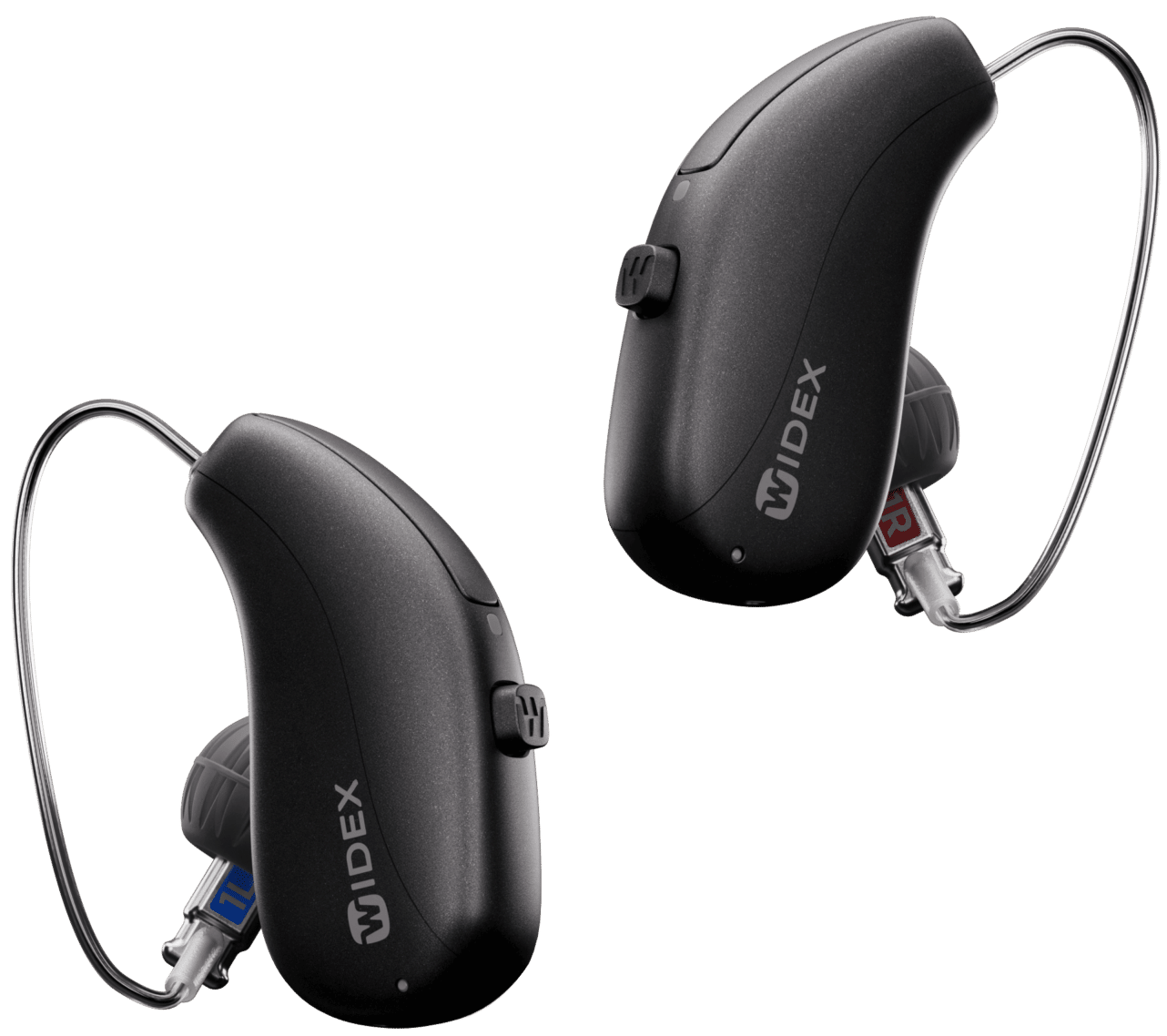
The post Hearing Aids Cost Worldwide: Essential Insights appeared first on Healthcare Marketing Service.

Posted on

Hybrid Hearing Aids: Essential Features of Integrated Technology

Last Updated on 25/01/2026 by Admin

Unveiling the Cutting-Edge Features of Hybrid Hearing Aids

Essential Components Enhancing Hearing Technology Performance

Hybrid hearing aids represent an impressive fusion of digital and analog technologies designed to remarkably enhance sound processing abilities. This innovative combination ensures superior clarity across diverse sound environments while addressing the distinct requirements of each user. The fundamental components that contribute to the exceptional performance of hybrid hearing aids comprise:

  • Microphones facilitating effective sound capture
  • Analog-to-digital converters ensuring precise signal processing
  • Digital signal processors enabling meticulous fine-tuning
  • Amplifiers that enhance sound output
  • Battery systems providing a reliable power supply
  • Wireless connectivity modules allowing seamless integration with other devices
  • Feedback cancellation technology designed to minimise disruptive noises
  • Sensors engineered for environmental adaptation

Each of these components is crucial in delivering a comprehensive auditory experience, making hybrid hearing aids an indispensable resource for individuals grappling with hearing challenges. Continuous advancements within these technologies open up new avenues for improved communication and interaction, significantly enriching users’ lives.

What Distinctive Features Set the Integration of Technologies in Hybrid Hearing Aids Apart?

The unique integration of digital and analog components in hybrid hearing aids facilitates smooth audio adjustments. This functionality empowers the devices to transition between modes dynamically, ensuring optimal performance in a wide array of everyday scenarios, from bustling urban settings to serene home environments. By intelligently reacting to fluctuating acoustic conditions, these aids greatly enrich user experiences, providing enhanced clarity and comfort in hearing, thereby promoting better engagement in daily activities.

How Has the Design of Hybrid Hearing Aids Progressed Over the Years?

Over the past few decades, the design of hybrid hearing aids has undergone significant transformation. Initially centred on basic amplification, contemporary models now incorporate sophisticated features that enhance overall functionality and user-friendliness. These progressive innovations have rendered hybrid hearing aids more intuitive, catering to a variety of applications that meet diverse user needs. As a result, individuals now benefit from tailored experiences that align with their specific hearing profiles, ensuring that the aids effectively accommodate their unique requirements for enhanced auditory experiences.

How Do Hybrid Hearing Aids Effortlessly Integrate Advanced Technology?

What Core Elements Are Vital for Effective Technology Integration?

The critical elements essential for the integration of hybrid technology within hearing aids encompass a sophisticated amalgamation of sensors and processors. These components collaborate seamlessly to achieve effective noise reduction, enabling users to enjoy a balanced auditory experience across a spectrum of environments. By blending hardware capabilities with advanced software algorithms, hybrid hearing aids can dynamically adjust sound levels, offering listeners an enriched and more enjoyable hearing experience tailored to their surroundings.

What Mechanisms Are Employed for Superior Sound Enhancement?

The mechanisms driving sound enhancement in hybrid hearing aids are intricate, merging advanced algorithms with specialised hardware to deliver optimal outcomes. For example, the system can amplify specific frequencies while concurrently minimising background interference, making conversations clearer and more enjoyable. This tailored amplification effectively filters out distracting noises, allowing wearers to focus on pertinent audio, whether during social gatherings or solitary moments. Consequently, users can navigate various auditory landscapes with ease and confidence.

What Advantages Does the Blended Technology Approach Offer?

The blended technology approach inherent in hybrid hearing aids offers numerous benefits, primarily revolving around enhanced adaptability. By integrating various technological elements, these devices can fine-tune audio output in real-time based on environmental conditions, ensuring optimal hearing experiences. Users gain heightened clarity and reduced listening effort, particularly beneficial in noisy settings. This adaptability enables wearers to engage fully in conversations and activities, free from the overwhelm of distracting sounds, thereby fostering more enriching social interactions.

Expert Insights on the Technological Fusion in Hybrid Hearing Aids

What Fundamental Principles Guide This Integration?

Audiology specialists underline that the interaction of components within hybrid hearing aids is based on key principles of sound processing and auditory perception. The meticulous engineering of each component plays a pivotal role in delivering accurate sound reproduction, which is essential for effective communication. Through technical evaluation, one can appreciate how the synergy of <a href="https://www.earwaxremoval.net/analog-vs-digital-hearing-aids-key-differences-explained/">analog</a> and digital elements results in improved clarity and richness of sound, vital for users experiencing varying levels of hearing loss.

What Advanced Features Are Practically Available?

To ensure the integrated elements of hybrid hearing aids operate optimally, users can follow actionable recommendations provided by hearing specialists. Calibration techniques are essential for confirming that the device functions at its best. Regular assessments and adjustments, conducted in collaboration with audiologists, enable users to fully harness the potential of their hearing aids. By adapting settings according to individual feedback and changes in their environment, users can experience sustained improvements in their hearing capabilities, ultimately enhancing their overall quality of life.

How Does This Technological Integration Influence Daily Life?

The combination of technologies in hybrid hearing aids significantly influences daily life. Real-world examples illustrate how wearers benefit from improved accessibility in a variety of situations—whether in lively cafés, crowded public transport, or intimate family gatherings. User feedback consistently reveals that the enhanced clarity and sound separation foster more meaningful conversations and interactions. By facilitating clearer communication, these devices help dismantle barriers commonly associated with hearing loss, encouraging greater inclusion and connection among users in their social circles.

What Role Does AI Play in Advancing Hybrid Hearing Aids?

The integration of artificial intelligence (AI) within hybrid hearing aids marks a significant advancement in their sound processing capabilities. AI algorithms enhance performance by automatically adapting to the surrounding environment in real-time. This capability allows for automatic adjustments based on factors such as background noise levels, enabling users to enjoy superior sound quality without requiring manual intervention. As AI technologies continue to evolve, the potential for greater user satisfaction increases, making these devices even more responsive to individual hearing needs, thus enhancing user experiences.

What Challenges and Solutions Are Present in Hybrid Technology Integration?

Despite the remarkable advancements in hybrid hearing aids, users may face challenges, particularly regarding compatibility with existing technologies. Common issues include connectivity problems and the need for regular software updates. Experts advise proactive strategies to tackle these obstacles, such as maintaining up-to-date devices and consulting audiologists for troubleshooting assistance. By addressing these challenges proactively, users can ensure their hearing aids retain optimal functionality and continue to deliver the advantages of hybrid technology seamlessly.

What Benefits Can Users Anticipate from Hybrid Hearing Aids?

How Do Users Experience Notable Enhancements in Sound Quality?

Users of hybrid hearing aids consistently report substantial improvements in sound quality. The technology amalgamates various elements to minimise distortion, especially in challenging auditory scenarios. Users typically enjoy the following benefits:

  • Enhanced clarity during conversations
  • Reduction of background noise interference
  • Greater comfort during prolonged use
  • More natural sound reproduction
  • Improved understanding of speech
  • Increased awareness of environmental sounds
  • Reduction in listening fatigue
  • Personalised sound adjustments

These advantages significantly enrich the overall hearing experience, empowering users to engage more fully with their environment and their loved ones, thus enhancing social interactions and overall quality of life.

Why Is Customisation Crucial for Users?

Customisation plays a vital role in hybrid hearing aids, as personalised settings provide tailored auditory experiences. Each individual possesses a unique hearing profile shaped by factors such as frequency sensitivity and lifestyle choices. By enabling users to customise their devices, hearing aids become significantly more effective in addressing individual hearing needs. This personalisation guarantees that users can attain optimal sound quality and comfort, thereby enhancing overall satisfaction and usability, leading to a more fulfilling auditory experience.

What Are the Long-Term Advantages of Using Hybrid Hearing Aids?

The long-term advantages of utilising hybrid hearing aids are considerable. Ongoing use contributes to improved communication and a significant reduction in mental fatigue, resulting from the efficient integration of advanced technology. Users frequently report a newfound ability to engage more fully in social situations, enhancing their overall quality of life. Over time, these benefits help alleviate the challenges associated with hearing loss, enabling individuals to maintain their social connections and actively engage with their surroundings, thus fostering a sense of community and belonging.

How Do Hybrid Hearing Aids Enrich Social Interactions?

With the utilisation of hybrid hearing aids, users experience marked improvements in social interactions, as the devices facilitate clearer hearing across diverse social settings. This enhancement nurtures deeper connections with friends, family, and colleagues. By significantly reducing the strain of understanding conversations amidst background noise, users feel more empowered to actively participate in discussions, leading to a more gratifying social life. The ripple effect of enhanced auditory function can result in diminished feelings of isolation and an increased sense of belonging within their communities.

What Are the Benefits of Battery Efficiency and Durability?

One of the standout advantages of hybrid hearing aids lies in their battery efficiency and durability. Users value the extended battery life, which guarantees reliable performance over time with minimal maintenance. This efficiency decreases the frequency of recharges, permitting uninterrupted use throughout daily activities. The robust construction of these devices ensures they can withstand the rigours of everyday life, thus providing users with consistent access to enhanced hearing capabilities and overall satisfaction.

Research-Backed Strategies for Optimising Hybrid Hearing Aid Technology

What Evidence Supports the Effectiveness of Hybrid Hearing Aid Design?

Research indicates that the amalgamation of technological elements in hybrid hearing aids delivers superior auditory outcomes. Studies reveal reliability in performance metrics, demonstrating how users benefit from improved sound clarity and adaptability. To capitalise on these findings, users can adopt practical strategies such as engaging in regular evaluations with audiologists to ensure their devices are optimally adjusted for their unique hearing profiles. Such proactive measures can significantly enhance the effectiveness of hybrid hearing aids.

What Effective Implementation Techniques Should Be Employed?

Effective implementation techniques are crucial for maximising the efficacy of hybrid hearing aids. Audiologists often recommend setup methods prioritising user comfort and adaptability to various situations. For instance, ensuring a proper fit and conducting initial sound assessments can greatly enhance the user experience. These strategies ensure that the integrated system functions efficiently, adapting to different environments while addressing individual preferences, thus maximising user satisfaction and functionality.

How Can Users Assess Success in Technology Integration?

Evaluating success in the integration of technology within hybrid hearing aids involves analysing key indicators derived from user trials. These indicators reveal the effectiveness of component interaction, ultimately enhancing overall user satisfaction. Regular feedback collection and assessments can aid audiologists in fine-tuning settings, ensuring users gain the maximum benefits from their devices while enjoying a seamless auditory experience that caters to their specific needs.

How to Maintain Your Hybrid Hearing Aids for Peak Performance?

What Are the Essential Routine Care Practices?

Routine care is paramount for preserving the functionality of hybrid hearing aids. Regular cleaning and checks play a crucial role in ensuring lasting performance and reliability. Users should establish a maintenance schedule that encompasses cleaning the microphones, examining battery levels, and inspecting for any signs of wear and tear. By taking these proactive measures, individuals can prolong the lifespan of their devices and sustain optimal auditory performance, ensuring continued enjoyment of their hybrid hearing aids.

How Can Users Troubleshoot Common Device Issues?

Addressing potential issues with hybrid hearing aids is vital for maintaining their optimal functionality. Common challenges, such as connectivity issues and sound clarity, can usually be resolved by following straightforward troubleshooting steps. Users are encouraged to familiarise themselves with these methods, which may involve resetting the device, ensuring proper pairing with smartphones, or checking for obstructions in microphones. Taking the time to troubleshoot can prevent minor problems from escalating into significant issues, thereby ensuring ongoing satisfaction and usability.

What Tips Can Extend the Longevity of Hybrid Hearing Aids?

To maximise the lifespan of hybrid hearing aids, users should adopt appropriate storage and usage habits. Ensuring the devices are stored in a cool, dry environment when not in use can prevent potential damage. Additionally, users should avoid exposing their hearing aids to extreme temperatures or high humidity. By adhering to these guidelines, individuals can maintain the technological efficiency of their devices, ensuring continued performance and functionality while enhancing their overall auditory experience.

Exciting Innovations in Hybrid Hearing Aid Technology

What Emerging Innovations Should Users Keep an Eye On?

The realm of hybrid hearing aid technology is witnessing thrilling innovations focusing on smarter processing capabilities. These advancements aim to enhance the overall integration of elements within devices, offering users even more efficient auditory experiences. Staying informed about these developments can empower users to make educated choices regarding their hearing aids, ensuring they continuously reap the benefits of the latest enhancements in technology that significantly improve their auditory experience.

How Will This Technological Evolution Enrich User Experience?

Ongoing updates in hybrid hearing aid technology refine integration, resulting in more intuitive interactions and expanded functionalities for users. Anticipated improvements include features such as noise cancellation, directional microphones, and user-friendly interfaces. Upcoming trends encompass:

  • Increased personalisation options
  • Expanded AI functionalities
  • Enhanced app connectivity
  • Longer battery life innovations
  • Improved sound quality through advanced algorithms
  • Customised listening environments
  • More durable materials for device construction
  • Integration with smart home technologies

These innovations promise to significantly elevate the overall user experience, making hybrid hearing aids more versatile and effective in meeting auditory needs, thereby enhancing daily living and social engagement.

What Is the Potential for Further Integration in Hearing Aids?

The potential for further integration in hybrid hearing aids is extensive, presenting numerous opportunities for incorporating additional features that build upon existing technology combinations. Future advancements may introduce enhanced connectivity options, such as direct streaming from multiple devices or more sophisticated user interfaces that adapt to specific auditory needs. By remaining abreast of these developments, users can look forward to enhancements that will elevate their auditory experiences, ensuring they remain at the forefront of hearing technology.

What Challenges and Solutions Exist in Adopting Hybrid Hearing Aids?

As hybrid hearing aid technology advances, users may face challenges such as device compatibility and adaptation difficulties. Nonetheless, ongoing research is dedicated to innovative solutions that address these barriers. Customisable settings and robust support services are being developed to enhance accessibility for a diverse range of users. By proactively tackling these challenges, manufacturers and audiologists can ensure that hybrid hearing aids remain effective tools for enhancing hearing capabilities and improving users’ quality of life.

How to Choose the Ideal Hybrid Hearing Aid for Your Requirements

What Considerations Should Guide Your Device Selection?

When selecting a hybrid hearing aid, it is imperative to evaluate options based on compatibility and features that align effectively with personal hearing needs. Users should reflect on factors such as their lifestyle, specific patterns of hearing loss, and any additional functionalities they may require to enhance their auditory experience. By carefully assessing these elements, individuals can make informed decisions that will significantly improve their overall auditory experiences and satisfaction.

How to Effectively Compare Available Models?

Comparing different hybrid hearing aid models is crucial for users seeking the best fit for their unique requirements. Variations in technology integration can significantly impact sound quality and overall user experience. By reviewing the distinct characteristics of various models, individuals can identify those that closely align with their hearing needs, preferences, and budget constraints, ultimately leading to a more satisfying auditory experience.

How to Make an Informed Decision When Selecting?

Making an informed decision when choosing a hybrid hearing aid involves weighing the advantages and disadvantages of various integrations. Users should contemplate how each device’s features correspond with their long-term goals for hearing enhancement. Consulting with audiologists for expert guidance can provide valuable insights, ensuring that the selected aid effectively meets both immediate and future auditory needs, thereby maximising user satisfaction and functionality.

What Is the Significance of a Trial and Adjustment Period?

Engaging in a trial period after selecting a hybrid hearing aid is crucial for evaluating its performance in everyday environments. During this phase, users should work closely with audiologists to fine-tune settings for optimal sound quality and comfort. This collaborative approach guarantees that the device adapts effectively to the user’s lifestyle and preferences, ultimately resulting in a more fulfilling hearing experience and improved overall satisfaction with their hearing aids.

Frequently Asked Questions Regarding Hybrid Hearing Aids

What Are Hybrid Hearing Aids and How Do They Function?

Hybrid hearing aids integrate both digital and analog technologies to enhance sound processing capabilities. This combination facilitates improved clarity and adaptability across diverse listening environments, effectively catering to various user needs for a more satisfying auditory experience.

How Do Hybrid Hearing Aids Operate Effectively?

Hybrid hearing aids utilise microphones, sensors, and processors to capture and process sound efficiently. They dynamically adjust settings based on the surrounding environment to enhance hearing clarity and comfort for the user, ensuring they can effectively engage in conversations and interactions.

What Benefits Can Users Anticipate from Hybrid Hearing Aids?

Users experience an array of benefits, including improved sound quality, enhanced social interactions, better battery efficiency, and customisable settings that cater to individual hearing needs, ultimately leading to a more enjoyable auditory experience and improved quality of life.

Can Hybrid Hearing Aids Effectively Mitigate Background Noise?

Yes, hybrid hearing aids are specifically engineered to minimise background noise while amplifying important sounds, thereby facilitating clearer conversations, particularly in noisy environments where communication can often be challenging.

What Maintenance Is Necessary for Hybrid Hearing Aids?

Regular cleaning, routine checks, and appropriate storage are vital for maintaining hybrid hearing aids. Users should also troubleshoot common issues to ensure optimal performance and longevity of their devices, thus enhancing their overall satisfaction.

How Does AI Enhance the Functionality of Hybrid Hearing Aids?

Artificial intelligence significantly enhances hybrid hearing aids by optimising sound processing in real-time, allowing devices to automatically adjust to varying environmental conditions, thereby improving user experience without requiring manual adjustments.

Are Hybrid Hearing Aids Suitable for All Users?

While hybrid hearing aids offer numerous advantages, their suitability can vary based on individual hearing profiles. Consulting an audiologist is essential to determine the best options for each user’s unique situation and needs, ensuring they receive the most effective support for their hearing challenges.

What Is the Expected Battery Life for Hybrid Hearing Aids?

The battery life of hybrid hearing aids varies by model, but many users report extended battery performance, which decreases the frequency of required recharges and supports uninterrupted daily use, thus enhancing overall user satisfaction.

Can Users Customise Settings on Hybrid Hearing Aids?

Absolutely, hybrid hearing aids frequently come equipped with customisable settings, enabling users to tailor their auditory experiences according to personal preferences and specific hearing needs for enhanced comfort and effectiveness in their daily lives.

What Should Be Considered When Selecting a Hybrid Hearing Aid?

When choosing a hybrid hearing aid, users should evaluate factors such as compatibility, available features, user reviews, and expert recommendations to ensure the best fit for their individual auditory needs, ultimately enhancing their overall hearing experiences.

Discover Our World on X!

The post Hybrid Hearing Aids: Key Features of Tech Integration appeared first on The Microsuction Ear Wax Removal Network.
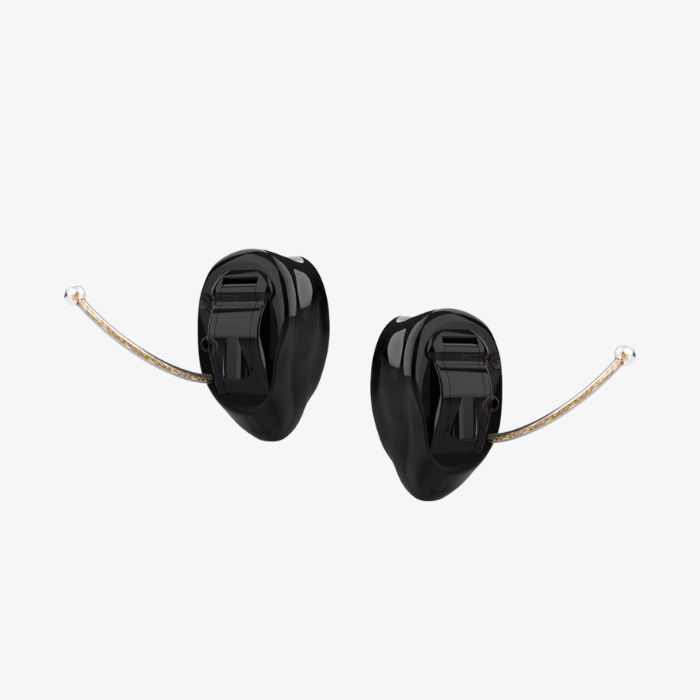
The post Hybrid Hearing Aids: Key Features of Tech Integration appeared first on Healthcare Marketing Service.

Posted on

Hearing Aids: Key Insights for Monitoring Health Metrics

Last Updated on 23/01/2026 by Admin

Understanding the Remarkable Progress in Hearing Aid Technology

Key Insights into the Functionality of Hearing Aids

Hearing aids have undergone a remarkable transformation into sophisticated devices that do far more than simply amplify sounds; they are now capable of actively monitoring essential health metrics. These advanced devices feature state-of-the-art sensors that not only detect sounds but also analyse audio patterns while capturing user interactions. This pioneering technology provides crucial data regarding the progression of hearing loss, making it relevant across different cultures and demographics, thus aiding users in maintaining their auditory health over time. The consistent tracking methods employed by modern hearing aids yield a comprehensive understanding of a user’s auditory landscape and its implications for their overall well-being.

As the technology behind hearing aids continues to advance, users can look forward to gaining deeper insights into their auditory capabilities and associated health metrics. The integration of data analytics offers personalised feedback, which is crucial for individuals from varied backgrounds and lifestyles. This global perspective not only elevates awareness about hearing health but also promotes preventive measures, underscoring the importance of ongoing monitoring of auditory health.

How Do Hearing Aid Sensors Function in Monitoring Health Metrics?

Hearing aid sensors play a pivotal role in health tracking, seamlessly integrating with various devices to capture environmental sounds and physiological signals. These sensors continuously process data in real-time, offering insights into health metrics such as sound exposure and interaction patterns with the surrounding auditory environment. While users engage in their daily activities, these sensors diligently operate in the background, monitoring changes and providing immediate feedback regarding their hearing health.

When paired with advanced algorithms, these sensors create a comprehensive health monitoring system. For instance, they can detect elevated levels of background noise, alerting users to potentially harmful auditory environments. Furthermore, they can assess auditory fatigue, providing critical data for individuals who may not be aware of the effects of prolonged exposure to certain sound levels. This dual functionality of hearing aids significantly enhances the user experience while fostering a culture of health awareness.

Core Features That Enhance Health Tracking in Hearing Aids

Modern hearing aids are equipped with an array of features that facilitate effective health tracking. These features not only engage users with their health metrics but also provide actionable insights necessary for informed decision-making. Key features include:

These features not only enhance the overall user experience but also contribute to improved long-term health outcomes by encouraging proactive management of hearing health. As the field of hearing aid technology progresses, these features will continue to evolve, providing even more robust capabilities for health tracking.

Groundbreaking Innovations Transforming Hearing Aid Technology

The hearing aid industry is witnessing rapid technological advancements, particularly with the integration of artificial intelligence (AI). Today’s hearing aids utilise AI algorithms to adapt to various environments in real-time, enhancing sound clarity and user comfort. This technology empowers devices to learn individual user preferences and automatically adjust settings based on contextual factors, delivering a highly personalised auditory experience.

Machine learning plays a crucial role in refining these custom settings, allowing hearing aids to evolve according to the unique needs of each user. For example, a user who frequently attends concerts may require different settings compared to someone who primarily resides in quieter surroundings. The capacity of hearing aids to learn and adapt significantly enhances their effectiveness in monitoring auditory health metrics, making them indispensable for users globally.

Effortless Integration with Other Devices for Enhanced Functionality

Contemporary hearing aids are designed to connect effortlessly with smartphones and wearable devices, which enhances their functionality and overall user experience. This integration allows for remote adjustments and health app synchronisation, enabling users to conveniently monitor and manage their hearing health. For instance, users can receive notifications directly on their smartphones regarding their sound exposure levels and daily usage patterns, which greatly simplifies the management of their auditory health.

Moreover, this interconnected ecosystem encourages a comprehensive approach to health management, allowing users to merge their hearing aid data with other health tracking applications. This capability enables individuals to oversee their hearing health alongside other metrics, such as physical activity and sleep patterns, providing a holistic overview of their overall well-being. As technology continues to progress, we can expect even greater synergy between hearing aids and other health devices, ultimately contributing to improved health management strategies.

In What Ways Do Hearing Aids Effectively Monitor Health Metrics?

Thorough Overview of Tracking Methods Employed by Hearing Aids

Hearing aids employ advanced embedded technology to efficiently monitor various health indicators, primarily focusing on sound interactions and user habits. This technology guarantees that health metrics are accurately captured for ongoing evaluations, which is vital for maintaining optimal hearing health. By analysing data from a range of sensors, these devices can provide detailed insights into the user’s auditory environment and overall health status.

For instance, hearing aids can measure sound exposure levels, alerting users when they are in excessively loud settings. Additionally, they often track how frequently users adjust their settings, which can indicate potential discomfort or changes in hearing ability. This level of detailed monitoring not only informs users about their auditory health but also enables audiologists to make informed decisions regarding necessary adjustments or interventions.

The Benefits of Real-Time Data Collection from Hearing Aids

Real-time data collection from hearing aids offers a multitude of advantages, particularly in promoting proactive management of auditory health. By providing immediate feedback, users can quickly identify changes in their hearing and adopt better practices for maintaining their health. For instance, receiving alerts about excessive noise exposure allows users to take preventive actions, thereby reducing the risk of further auditory damage.

This continuous monitoring fosters improved daily habits, encouraging users to engage actively with their hearing health. Users can adjust their behaviours based on the insights provided by their devices, leading to enhanced overall well-being. Furthermore, the ability to track changes over time assists both users and healthcare professionals in recognising patterns, facilitating timely interventions when necessary.

What Challenges Affect the Accuracy of Health Metrics in Hearing Aids?

Despite the sophisticated technology utilised in hearing aids, several challenges exist that can impact the accuracy of health metrics. One primary concern is device calibration; if hearing aids are not calibrated correctly, the data collected may not accurately reflect the user’s hearing environment or health status. Additionally, variability among users can also pose challenges, as differing habits and environments can significantly influence tracking outcomes.

To address these challenges, manufacturers must focus on enhancing calibration processes and providing users with clear guidelines to achieve optimal performance. Regular updates and user education are vital to ensuring that tracking remains reliable and effective. By tackling these factors, hearing aid technology can continue to advance in accuracy and trustworthiness for users worldwide.

Expert Perspectives on How Hearing Aids Monitor Health Metrics

Innovative Sensor Integration Techniques for Enhanced Tracking

Advanced sensors in hearing aids significantly improve health metric tracking by employing cutting-edge integration techniques. These sensors collaborate with algorithms that analyse sound environments, user interactions, and health indicators. For example, incorporating gyroscopic sensors can yield additional insights into user mobility, which may correlate with hearing health.

Real-world examples illustrate the effectiveness of these advanced techniques. In controlled testing environments, hearing aids equipped with sophisticated sensors demonstrated improved accuracy in detecting sound variations, leading to enhanced health metric assessments. Users reported more satisfying experiences with their hearing aids, as the devices adeptly adapted to their unique auditory environments with precision.

Additionally, incorporating feedback loops where user responses inform future sensor adjustments can lead to continuous improvement in device performance. This not only bolsters the accuracy of tracking but also empowers users with a sense of control over their hearing health.

Data Analysis Techniques Utilised in Hearing Aid Devices

Data analysis plays a crucial role in interpreting health metrics derived from hearing aids. The processing algorithms embedded in these devices are meticulously designed to analyse collected data effectively, transforming raw metrics into valuable insights. For instance, algorithms can assess sound exposure levels and correlate them with user activities, thereby providing recommendations for managing noise exposure.

Expert analysis indicates that these algorithms are becoming increasingly sophisticated, harnessing machine learning to enhance their accuracy over time. As algorithms interpret extensive amounts of data, they can identify trends and anomalies that inform users about their auditory health. This enhanced data analysis leads to improved outcomes, as users can make informed decisions based on actionable insights derived from their hearing aids.

The Significance of Connectivity in Health Monitoring

Connectivity serves as a vital component of health monitoring in hearing aids, facilitating data exchange between devices and external systems. Linking hearing aids with smartphones and health apps enhances user engagement, providing a comprehensive overview of their health metrics. For example, users can receive real-time notifications regarding sound exposure levels or recommended adjustments based on their daily activities.

Real-world instances illustrate the effectiveness of this connectivity. Users who connect their hearing aids to health management platforms often report greater awareness of their auditory health, leading to proactive management strategies. This interconnected approach streamlines the monitoring process and fosters a collaborative environment between users and healthcare providers, ultimately enhancing overall health outcomes.

Addressing Ethical Considerations in Health Data Management

As hearing aids gather and manage sensitive health data, ethical considerations surrounding privacy and security become increasingly important. Users must trust that their health metrics are handled responsibly to encourage consistent use of tracking features. Strategies to safeguard this data include robust encryption methods, secure data storage, and transparent privacy policies.

Moreover, educating users about the management of their health data promotes confidence in the technology. Ensuring that users understand their rights regarding data privacy and how their information is utilised builds trust in hearing aid technology. Addressing these ethical considerations will enhance the credibility of health metrics collected by hearing aids and contribute to a positive user experience.

Anticipated Trends in Health Metric Tracking for Hearing Aids

The future of health metric tracking in hearing aids appears promising, especially with the emergence of innovative technologies and advancements. Experts predict that developments in AI will lead to increasingly personalised health monitoring experiences, as devices become adept at understanding user behaviours and preferences.

Emerging technologies, including enhanced sensor capabilities and improved data analytics, will transform how health metrics are tracked and interpreted. As hearing aids evolve to offer deeper insights and tailored health recommendations, users can expect significant improvements in their overall health outcomes. This trend reflects a broader movement towards personalised healthcare, where technology empowers individuals to take charge of their health in revolutionary ways.

Which Specific Metrics Can Hearing Aids Track?

Common Health Indicators Monitored by Hearing Aids

Hearing aids are designed to monitor a variety of health indicators that are crucial for maintaining auditory health and overall well-being. Some of the most common metrics tracked include sound levels, usage patterns, and environmental exposure. These metrics provide users with valuable insights into their daily auditory experiences, helping them identify potential risks associated with prolonged exposure to high sound levels.

For example, hearing aids can measure decibel levels in a user’s environment, alerting them when they exceed recommended exposure thresholds. Additionally, usage patterns, such as the duration the device is worn each day, can indicate auditory fatigue or discomfort. Understanding these metrics is essential for users aiming to safeguard their hearing health and prevent further deterioration.

How Does Tracking Influence User Behaviour and Habits?

Tracking metrics through hearing aids significantly impacts user behaviour by fostering healthier habits and enhancing awareness regarding auditory health. By monitoring metrics such as frequency of adjustments and sound exposure, users become more engaged in managing their hearing health. This engagement encourages users to develop routines that prioritise their auditory well-being.

For instance, users who receive feedback on their usage patterns may recognise the benefits of reducing their exposure to loud environments. This increased awareness often prompts lifestyle adjustments that promote better hearing health, such as taking breaks from noisy settings or utilising protective hearing gear. The insights gained from tracking empower users to make informed decisions, ultimately enhancing their long-term auditory health.

Identifying Limitations in Current Tracking Capabilities of Hearing Aids

While hearing aids provide significant advantages in tracking health metrics, several limitations exist that may affect the comprehensiveness of the data collected. One primary limitation is the inability of some devices to capture the complete context of a user’s auditory environment. Factors such as ambient noise, user activity, and device calibration can influence the accuracy of the metrics recorded.

Additionally, users may need to complement the data from their hearing aids with other health monitoring methods to achieve a more complete picture of their overall health. For example, integrating data from other wearable devices can provide insights into physical activity levels and sleep patterns, which can influence auditory health. Recognising these limitations encourages users to adopt a holistic approach to health tracking while leveraging the strengths of their hearing aids.

Research-Backed Strategies for Effective Health Metric Tracking in Hearing Aids

Best Practices for Integrating Health Features in Hearing Aids

Research indicates that effective integration of health features in hearing aids significantly enhances metric accuracy. By combining advanced sensors with user-friendly interfaces, manufacturers can improve the user experience and drive consistent engagement. For optimal tracking, users should perform routine checks on their devices to ensure they operate effectively and provide accurate data.

For example, regularly cleaning the device and ensuring a proper fit can enhance performance and improve data collection. Manufacturers can also offer users guidance on maximising the features of their hearing aids, allowing them to fully utilise the health tracking capabilities. This collaborative approach ensures users remain informed and engaged, leading to better health outcomes over time.

Improving Data Reliability through Regular Updates

Software updates play a pivotal role in ensuring the reliability of health monitoring capabilities in hearing aids. Regular updates can introduce enhancements that adapt to user needs, ensuring consistent performance and accuracy in tracking metrics. This focus on continuous improvement is essential in an ever-evolving technological landscape.

Experts recommend that users keep their devices up to date, as these updates often include refinements to the algorithms that interpret health data. By embracing these advancements, users can expect improved overall effectiveness in tracking their health metrics, providing a clearer picture of their auditory well-being.

What Innovations Are Supporting Enhanced Metric Tracking in Hearing Aids?

Ongoing technological advancements are unveiling new methods to capture and analyse health data within hearing aids. For instance, the development of more sensitive microphones and advanced digital signal processing capabilities enhances the accuracy of sound level measurements. Innovations such as machine learning algorithms assist in refining the interpretation of health metrics, enabling hearing aids to provide more personalised insights.

Real-world examples of these innovations include the introduction of hearing aids capable of adapting to specific listening environments, automatically adjusting settings to optimise sound quality and tracking capabilities. As technology continues to progress, users can anticipate even greater accuracy and improvements in user experience, ultimately enhancing their health management strategies.

Why Are Hearing Aids Indispensable for Effective Health Management?

The Core Benefits of Health Monitoring Through Hearing Aids

Hearing aids play a vital role in tracking metrics that reveal trends related to auditory health. By continuously monitoring various indicators, these devices empower users to address potential issues before they escalate, cultivating a proactive approach to health management. The insights provided by hearing aids enable users to make informed decisions regarding their auditory health.

Furthermore, the ability to track sound exposure levels and usage patterns helps users gain a deeper understanding of their daily auditory environment, highlighting areas that may require attention and action. This proactive approach not only aids in maintaining hearing health but also contributes to overall wellness, establishing hearing aids as indispensable tools for health monitoring in today’s world.

How Do Hearing Aids Promote Long-Term Wellness?

Hearing aids contribute significantly to long-term wellness by continuously logging data related to usage and sound exposure. This ongoing monitoring facilitates users in tracking changes and trends in their auditory health, enabling informed discussions with healthcare providers. By regularly reviewing this data, users can make necessary lifestyle adjustments to prioritise their hearing health.

Moreover, the information provided by hearing aids can prompt users to adopt preventive measures, such as reducing exposure to loud noises or seeking professional assistance when needed. This focus on long-term wellness contributes to overall health and quality of life, demonstrating the critical role of hearing aids in modern health management.

What Are the Risks of Ignoring Tracked Metrics in Hearing Health?

Neglecting to review data from hearing aids can lead to serious consequences, as it may result in undetected declines in auditory health. Users who overlook this information might miss warning signs of hearing loss or other issues, ultimately compromising their well-being. Regularly reviewing tracked metrics is vital for ensuring that users maintain awareness of their auditory health status.

Additionally, ignoring these metrics may impede users’ ability to make informed decisions regarding their health. By actively engaging with the data provided by their hearing aids, users can take proactive steps to maintain their hearing health and prevent further deterioration. This level of awareness is essential for fostering long-term well-being and ensuring that users remain proactive in their health management strategies.

The Integral Role of Sensors in Hearing Aids

Understanding the Fundamental Functions of Hearing Aid Sensors

Sensors in hearing aids serve critical functions, primarily focused on detecting and processing health-related signals. These sensors collect essential data on user interactions, including sound exposure and adjustment patterns, which contribute to effective metric tracking and analysis. By capturing real-time audio inputs, sensors yield invaluable insights into the user’s auditory environment and overall health.

The capacity to process health-related signals in real-time enhances the functionality of hearing aids and empowers users to make informed decisions regarding their auditory health. As technology advances, these sensors are likely to evolve, offering even more sophisticated tracking capabilities that can further assist users in managing their hearing health effectively.

What Factors Affect the Performance of Hearing Aid Sensors?

The performance of sensors in hearing aids can vary due to several factors, including design, environmental conditions, and user habits. For instance, the placement and quality of microphones are critical in accurately capturing sound. Additionally, environmental factors such as background noise and temperature can affect how effectively sensors operate, influencing the precision of the metrics measured.

To optimise sensor reliability, manufacturers should focus on designing robust, high-quality sensors that can perform consistently across various environments. Users can also contribute by ensuring proper fitting and care of their devices, which can help maintain optimal sensor performance. By addressing these factors, hearing aids can provide users with accurate and meaningful health data.

Integrating Sensors with Additional Features for Enhanced Tracking

Integrating sensors with other features in hearing aids improves health tracking by facilitating seamless data sharing. This integration allows users to benefit from a comprehensive monitoring system, where data from sensors can inform other functionalities, such as activity tracking and remote adjustments. For instance, when a user engages in physical activity, the sensors can adjust the hearing aid settings to optimise sound quality based on the surrounding environment.

This seamless integration empowers users by providing a holistic view of their health and enabling informed decision-making. Real-world examples demonstrate how this interconnected approach can enhance the user experience, leading to improved health outcomes and overall satisfaction with hearing aids. As technology continues to progress, we can anticipate further advancements in this area, contributing to better health management strategies.

Future Developments on the Horizon for Health Tracking in Hearing Aids

Emerging Technologies Poised to Transform Hearing Aids

Emerging technologies hold the promise of revolutionising health tracking capabilities in hearing aids, allowing for more precise data collection and analysis. Innovations such as advanced machine learning algorithms and improved sensor technology will enable hearing aids to provide deeper insights into user health metrics. For instance, next-generation sensors may monitor additional health indicators, such as heart rate and physical activity levels, further enhancing comprehensive health tracking.

These advancements will empower users to take charge of their health by furnishing them with actionable insights. As technology continues to evolve, hearing aids will become even more integral to personal health management, helping users maintain their overall well-being while effectively managing their auditory health.

How Will Future Updates Enhance User Experience?

Future updates to hearing aids are anticipated to significantly enhance the user experience by making health tracking more intuitive and user-friendly. Enhanced user interfaces will facilitate easier navigation of health metrics, allowing users to access and interpret their data effortlessly. Furthermore, updates may introduce personalised recommendations based on user behaviour and preferences, providing tailored insights that align with individual health goals.

This commitment to improving the user experience through updates reflects the ongoing dedication of hearing aid manufacturers to continuously refine their products. As users become more engaged with their health data, they are likely to experience better overall outcomes, highlighting the importance of innovation in hearing aid technology.

What Challenges Might Arise When Adapting New Features?

While adapting new features in hearing aids presents exciting opportunities, it also comes with challenges, such as compatibility issues and user adaptability. Ensuring that new features integrate seamlessly with existing technology can be complex, necessitating ongoing collaboration between manufacturers and technology providers. Additionally, users may require time to adjust to new functionalities, highlighting the need for comprehensive education and support.

Addressing these challenges is crucial to ensure that health tracking evolves effectively to meet diverse user needs. By prioritising user experience and offering adequate support during transitions, manufacturers can cultivate a positive reception of new features, ultimately enhancing the effectiveness of hearing aids as health monitoring devices.

The Integration of Hearing Aids with Smart Home Devices

Upcoming integrations of hearing aids with smart home devices are likely to allow for more comprehensive health tracking and management. By connecting hearing aids to smart home ecosystems, users can benefit from automated adjustments based on real-time health data. For example, if a user’s hearing aids detect high noise levels in their environment, smart home technology could automatically implement soundproofing measures or reduce background noise.

This integration offers users a more connected approach to health management, enabling a deeper understanding of their health metrics and providing opportunities for enhanced well-being. As smart technology continues to permeate daily life, hearing aids will increasingly become part of this ecosystem, offering users innovative ways to improve their health tracking and overall quality of life.

The Impact of AI on Personalised Health Plans for Hearing Aid Users

AI-driven advancements are poised to revolutionise how hearing aids develop personalised health plans for users. By analysing user behaviour and health data patterns, AI can predict potential issues and suggest proactive interventions tailored to individual needs. For instance, if a user consistently experiences discomfort in noisy environments, the AI might recommend specific adjustments or preventive measures, thereby enriching the user’s overall health experience.

This degree of personalisation reflects a broader shift towards individualised healthcare, where technology empowers users to take control of their health through insights derived from data. As AI continues to advance, hearing aids will play an increasingly critical role in crafting personalised health plans, fostering long-term wellness and preventive care strategies.

Effective Tips for Optimising Hearing Aid Use

Crucial Daily Maintenance Practices for Hearing Aids

Regular maintenance of hearing aids is vital for ensuring accurate health tracking and reliable performance. Daily practices such as cleaning the devices, checking batteries, and ensuring proper fitting can significantly enhance their effectiveness. Users should establish a routine for cleaning their hearing aids to prevent the buildup of wax and debris, which can obstruct sound quality and compromise sensor performance.

Additionally, users are encouraged to consult their audiologists for guidance on maintaining their devices. Regular check-ups can help ensure that hearing aids remain optimally adjusted and functioning effectively. By prioritising daily maintenance practices, users can maximise the longevity and reliability of their hearing aids, ultimately supporting accurate health metric tracking.

Best Practices for Reviewing Health Data from Hearing Aids

Engaging with the data collected by hearing aids is essential for understanding health patterns. Users should regularly review their tracked metrics to gain insights into their auditory health and identify potential areas for improvement. This proactive engagement fosters better management of hearing health, allowing users to make informed decisions based on their data.

Moreover, users can leverage their data when consulting healthcare providers, ensuring that they discuss relevant trends and observations during appointments. Establishing a routine for data review empowers users to remain proactive about their health while fostering a culture of continuous improvement in their auditory well-being.

What Common Mistakes Should Users Avoid with Hearing Aids?

Several common mistakes can hinder the effectiveness of health tracking through hearing aids. One primary mistake is improper fitting; if devices do not fit correctly, they may fail to capture accurate sound levels or user interactions. Users should regularly consult with their audiologists to ensure that their devices are well-fitted and adjusted to meet their unique needs.

Additionally, neglecting to review tracked metrics can lead to missed opportunities for proactive health management. Users should prioritise regular reviews of their health data to stay informed about their auditory health progress. By avoiding these common pitfalls, users can enhance the overall effectiveness of their hearing aids as health monitoring devices.

Frequently Asked Questions Regarding Hearing Aids and Health Tracking

What health metrics can hearing aids monitor?

Hearing aids possess the capability to track various health metrics, including sound exposure levels, usage patterns, and environmental interactions, providing users with valuable insights into their auditory health.

How do sensors in hearing aids operate?

Sensors in hearing aids capture sounds and physiological signals, processing this data in real-time to offer insights into health metrics and enhance the overall user experience.

What are the advantages of real-time data collection from hearing aids?

Real-time data collection enables users to receive immediate feedback, facilitating proactive management of their hearing health and allowing for timely interventions when necessary.

How do hearing aids encourage long-term wellness?

Hearing aids contribute to long-term wellness by continuously monitoring health metrics, assisting users in addressing potential issues early and fostering a preventive care approach.

What challenges exist concerning the accuracy of monitored metrics?

Challenges in tracking accuracy include issues with device calibration and user variability, which can significantly influence the reliability of the data collected by hearing aids.

How frequently should users maintain their hearing aids?

Users should establish a daily maintenance routine that encompasses cleaning, checking batteries, and ensuring proper fitting to maximise the performance of their hearing aids.

What role does AI play in hearing aid technology?

AI enhances hearing aids by creating personalised health plans, analysing user data, and suggesting proactive interventions based on individual needs and behaviours.

Can hearing aids integrate with other devices?

Yes, modern hearing aids can seamlessly integrate with smartphones and other health devices, allowing users to conveniently monitor their health metrics.

What are common user mistakes associated with hearing aids?

Common mistakes include improper fitting of devices and neglecting to review tracked metrics, which can hinder effective health monitoring and management.

How can users enhance data reliability in hearing aids?

Users can enhance data reliability by keeping their devices updated, following maintenance routines, and regularly reviewing tracked metrics to ensure optimal performance.

Follow us on X for the latest updates!

The post Hearing Aids: Essential Insights on Tracking Health Metrics appeared first on The Microsuction Ear Wax Removal Network.

The post Hearing Aids: Essential Insights on Tracking Health Metrics appeared first on Healthcare Marketing Service.

Posted on

Biometrics Enhance Hearing Aids: Key Innovations Unveiled

Last Updated on 21/01/2026 by Admin

Discover the Transformative Power of Biometrics in Hearing Aids

What Underpins the Functionality of Biometrics?

Biometrics within hearing aids leverage unique user characteristics to create a customised auditory experience that significantly improves both comfort and performance. By incorporating state-of-the-art sensors and advanced algorithms, these devices adjust to individual preferences to ensure optimal listening quality. This level of personalisation enhances daily usability, fundamentally altering the manner in which users perceive their environment. For instance, a hearing aid equipped with biometric technology can automatically alter its settings in a busy restaurant compared to a quiet library, allowing users to participate in conversations without the inconvenience of constant manual adjustments.

The integration of biometrics not only enhances sound quality but also instils confidence in users. With features that adapt sound frequencies and volumes based on the user’s surroundings, these hearing aids become increasingly intuitive. This tailored approach is especially beneficial for individuals who may find traditional hearing aids cumbersome due to the necessity for frequent manual adjustments. Hence, users enjoy improved clarity and comfort during their daily interactions, making communication smoother and more enjoyable.

How Has Biometric Technology Progressed Over the Years?

The evolution of biometric technology in hearing aids has been remarkable, transitioning from rudimentary sound amplification to sophisticated systems that provide precise adjustments tailored to user needs. Initially, hearing aids merely amplified sound without addressing the unique requirements of users. Today’s models seamlessly incorporate biometric capabilities, utilising real-time data to enhance sound clarity and reduce feedback. These advancements have made hearing aids significantly more user-friendly and intuitive. For example, contemporary devices can automatically adjust to different sound environments, ensuring users enjoy a clearer listening experience across a variety of settings.

As technology continues to advance, hearing aids increasingly feature machine learning algorithms. These algorithms evolve based on the user’s hearing preferences over time, facilitating an even greater level of personalisation. This evolution signifies not only a technological leap but also a deeper understanding of user needs. With the introduction of biometric technology, hearing aids have transformed from simple amplification devices into intelligent systems that anticipate and respond to user behaviours, substantially enhancing the overall auditory experience.

What Essential Components Form Biometric Systems in Hearing Aids?

Biometric systems in hearing aids comprise multiple critical components that collectively deliver a highly personalised auditory experience. These components include:

  • Sensors for Biological Signals: These sensors monitor physiological indicators, generating data that fine-tunes sound settings based on real-time user feedback.
  • Heart Rate Trackers: Monitoring heart rate can reveal a user’s stress levels, allowing the hearing aid to automatically transition to a more calming sound profile.
  • Voice Recognition: This technology enables the device to comprehend specific speech patterns and user preferences, enhancing clarity during conversations.
  • Environmental Sound Detection: Devices can assess background noise levels and adjust settings accordingly, ensuring an optimal listening experience in diverse environments.
  • Data Processing Algorithms: These algorithms analyse the collected biometric data to execute real-time adjustments, ensuring the hearing aid accurately responds to user needs.
  • Connectivity Features: Integration with smartphones and other devices allows users to control their hearing aids remotely, enhancing personalisation and convenience.
  • Battery Monitoring Systems: These systems ensure the device maintains power, preventing interruptions in functionality.
  • Feedback Management Systems: They help mitigate unwanted noise and feedback, ensuring a clearer audio experience.

By leveraging these components, hearing aids can deliver improved sound quality and user comfort, making them increasingly effective in various everyday situations. This technological synergy is essential for creating a seamless user experience, underscoring the transformative potential of biometrics in auditory health.

What Advantages Do Biometrics Offer in Hearing Aids?

The incorporation of biometrics into hearing aids provides profound and multifaceted benefits. By facilitating personalised audio adjustments tailored to individual characteristics, biometrics significantly enhance sound quality and improve hearing outcomes. Users of biometric hearing aids experience remarkable improvements in their daily lives. These devices efficiently reduce background noise, enabling users to focus on conversations without distractions. This feature proves particularly advantageous in social settings or noisy environments, where traditional hearing aids may struggle.

Furthermore, the comfort offered by biometric hearing aids is exceptional. Users no longer suffer the discomfort linked to frequent manual adjustments or the frustration of unclear sounds. Instead, these devices automatically adapt to users’ environments and preferences, leading to increased satisfaction and enhanced overall hearing results. This is especially critical for elderly users who may find technology daunting; the user-friendly nature of biometric devices fosters independence in their daily communications.

What Challenges Are Encountered During the Integration of Biometrics in Hearing Aids?

Integrating biometrics into hearing aids presents several challenges that developers and manufacturers must navigate. One of the primary hurdles is ensuring robust data security and privacy. Given that biometric data is inherently sensitive, safeguarding it from breaches is paramount. Manufacturers must employ strong encryption methods and comply with privacy regulations to protect user information, thereby fostering trust in biometric technology.

Another significant challenge involves managing variability in user biometrics. Each individual possesses unique physiological traits that may affect the efficacy of the hearing aid’s adaptations. Manufacturers must ensure that their devices can accurately interpret and respond to these variations. Additionally, optimising battery life is essential; biometric sensors often consume more power, so balancing feature-rich functionality with battery longevity is vital for user satisfaction.

Finally, maintaining accuracy across diverse environments can be complex. Users frequently transition between various settings, and the hearing aid must consistently adjust its settings without fail. Ongoing advancements in technology are necessary to address these challenges, ensuring that biometric hearing aids remain effective and user-friendly.

How Do Biometrics Enhance User Experience in Hearing Aids?

What Factors Contribute to Increased Comfort in Hearing Aids?

A multitude of factors contributes to the enhanced comfort that biometrics offer in hearing aids. One of the most significant is adaptive noise cancellation, which utilises biometric data to diminish discomfort caused by background noise. This feature empowers users to engage in conversations effortlessly, as the hearing aid automatically fine-tunes its settings to focus on the speaker rather than ambient sounds. For example, in a bustling café, the device can filter out the clattering of dishes and chatter, honing in on a friend’s voice.

Moreover, the personalisation process is crucial. Each user has unique hearing preferences and needs shaped by their auditory experiences. Biometric hearing aids capture these preferences and adjust audio settings accordingly, creating a more tailored and enjoyable user experience. This adaptability alleviates the strain often associated with wearing hearing aids, resulting in a more natural auditory experience.

Another important factor is the physical comfort of wearing the device itself. Modern biometric hearing aids are designed with ergonomics in mind, employing materials and designs that promote long-term wear. This aspect is particularly vital for users who may be new to hearing aids or have had negative experiences previously. By ensuring comfort alongside advanced technology, manufacturers can significantly boost user satisfaction and encourage consistent use.

How Do Biometrics Improve Daily Functionality for Users?

Biometrics play a crucial role in enhancing daily functionality for hearing aid users by offering real-time data analysis that automatically adjusts sound levels. As users engage in various activities throughout the day, these devices can smoothly adapt sound settings. For instance, while attending a concert, the hearing aid can amplify the music while filtering out excessive noise, crafting a pleasurable listening experience that closely emulates live sound.

This real-time adaptability fosters independence, allowing users to navigate social situations with heightened confidence. The ability to make quick adjustments means that users can concentrate on their interactions rather than worrying about fiddling with device settings. For those leading active lifestyles, this feature proves invaluable; it supports seamless transitions between different auditory environments, such as moving from a busy street to a quiet office.

Furthermore, the integration of biometric data enables ongoing optimisation of the device’s performance. By continuously monitoring user engagement patterns and environmental cues, the hearing aid refines its settings over time. This not only enhances immediate functionality but also improves long-term user satisfaction, as the device becomes increasingly attuned to the user’s needs with each use.

How Can User Satisfaction Be Effectively Measured?

User satisfaction with biometric hearing aids can be accurately assessed through biometric feedback loops that monitor engagement and responsiveness. These loops provide essential data, allowing manufacturers to evaluate how effectively their devices perform in real-world scenarios. By analysing metrics such as usage frequency and adjustment patterns, they can enhance device performance to achieve optimal results.

Moreover, continuous tracking of user engagement helps identify areas for improvement. For instance, if a specific feature shows low engagement, manufacturers can investigate whether it stems from user preferences or functionality issues. This feedback mechanism not only enhances device performance but also assures users that their experiences are valued. As manufacturers act on this data, they demonstrate a commitment to improving user satisfaction and fostering loyalty.

Additionally, user satisfaction can also be evaluated through surveys and direct feedback channels. Engaging users in discussions about their experiences allows manufacturers to gain insights into what works well and what does not. By merging biometric feedback with qualitative data, they can create a comprehensive understanding of user satisfaction, driving future innovations and enhancements in biometric hearing aids.

Expert Recommendations for Enhancing Hearing Aids with Biometrics

What Actionable Steps Should Be Taken for Successful Integration?

Integrating biometrics into hearing aids necessitates a systematic methodology that begins with a thorough understanding of user needs. First, manufacturers must conduct comprehensive assessments to identify the specific requirements of their target demographic. This can include surveys, interviews, and trials that collect insights into user preferences, challenges, and expectations.

Next, ensuring the calibration of sensors is paramount. This involves meticulous procedures to guarantee that the biometric sensors accurately measure the user’s biological signals. By implementing stringent testing protocols, manufacturers can establish baseline metrics for sound adjustments. Regular calibration checks should be scheduled to maintain accuracy and reliability.

Furthermore, collaborating with audiologists and hearing health professionals can guide device development. By leveraging their expertise, manufacturers can gain insights into how biometric data can be effectively utilised to enhance auditory outcomes. This partnership ensures that the device meets technological standards while addressing user needs and preferences. The collective knowledge contributes to an improved integration process, resulting in a device that is both effective and user-friendly.

What Are the Real-World Applications of Advanced Biometric Features?

Real-world applications of advanced features in biometric hearing aids illustrate the transformative potential of this technology. For instance, in varied settings such as theatres and places of worship, biometric hearing aids can provide users with tailored experiences. By assessing the acoustic properties of these environments, devices can automatically adjust to enhance clarity while minimising distracting sounds.

Moreover, biometric data can drive customisation in everyday scenarios, such as during phone calls or virtual meetings. The hearing aid can recognise the user’s speech patterns and modify audio settings to ensure that voices are crystal clear, thereby enhancing communication quality. This level of personalisation is particularly beneficial for individuals who heavily rely on technology for social interactions.

Furthermore, biometric features can facilitate improved interactions in group settings. In environments like conference rooms, these devices can differentiate between speakers and dynamically adjust sound levels, ensuring that all voices are heard clearly. Such advancements not only enhance the user experience but also promote inclusivity, allowing users to engage more fully in both social and professional situations.

What Benefits Are Supported by Specialist Research?

Specialist research supports the assertion that biometrics significantly enhance outcomes for hearing aid users. Numerous studies have demonstrated that users of biometric hearing aids report improved clarity and diminished fatigue. This is particularly evident in high-stress environments where traditional hearing aids may struggle to filter noise effectively.

Researchers have also discovered that biometric hearing aids contribute to better overall auditory health. Continuous monitoring allows these devices to detect early signs of auditory decline, prompting users to seek medical advice or adjust their hearing strategies. By leveraging biometric data, manufacturers empower users to take proactive measures toward maintaining their hearing health.

Furthermore, the real-world experiences of users reinforce these findings. Many report a significant increase in their quality of life, as they can engage more actively in conversations and social interactions. This positive feedback loop between research findings and user experiences emphasises the effectiveness of biometrics in enhancing hearing aids, highlighting the importance of ongoing innovation in this field.

The Impact of Biometrics on Sound Customisation

How Does Personalisation Enhance Sound Quality in Hearing Aids?

Personalisation through biometrics significantly elevates sound quality by analysing user habits and preferences. Each individual possesses a unique auditory experience shaped by factors such as age, lifestyle, and environmental contexts. Biometric hearing aids capture these intricacies, enabling tailored sound adjustments that yield clearer audio with minimal distortion. This customisation enhances the naturalness of the listening experience, making it feel more immersive.

For example, users may have varying sound profile preferences depending on their activities. Someone attending a concert will require a vastly different audio experience compared to an individual conversing in a tranquil room. By utilising biometric data, hearing aids can automatically switch between these profiles, ensuring that users receive optimal sound quality for any situation. This adaptability not only enhances clarity but also reduces user fatigue, as they no longer need to strain to understand speech amid background noise.

Moreover, personalised sound adjustments based on biometrics empower users to engage more fully with their environments. This fosters confidence and encourages social interactions, ultimately improving the overall quality of life for users. As technology continues to advance, we can anticipate even more sophisticated sound customisation options driven by individual user data.

What Is the Process for Integrating Biometrics with Existing Hearing Aids?

Integrating biometrics with existing hearing aid devices is fundamental to enhancing functionality and user experience. This process typically involves updating software to incorporate biometric inputs, enabling devices to adapt dynamically to user needs. For example, existing hearing aids can be retrofitted with biometric sensors, allowing them to utilise user data for real-time sound adjustments.

Moreover, ensuring compatibility with various operating systems and devices is crucial for a seamless user experience. This integration can provide users with additional control through smartphone applications, allowing them to customise settings remotely based on their preferences. By creating a unified system that fuses biometric inputs with traditional hearing aid features, manufacturers can significantly enhance auditory performance and personalisation.

Additionally, manufacturers must prioritise user-friendly interfaces during the integration process. Ensuring that users can easily navigate settings and understand their device’s capabilities is critical for adoption. By focusing on simplicity alongside advanced features, hearing aids can cater to a broader range of users, including those who may be less technologically adept. This holistic approach to integration not only enhances the functionality of hearing aids but also encourages greater user satisfaction.

What Challenges Arise in Customisation Efforts for Biometric Hearing Aids?

Overcoming challenges in the customisation efforts of biometric hearing aids is crucial for effective implementation. One major challenge is the necessity for data accuracy. Biometric devices must reliably interpret physiological signals to provide dependable sound adjustments. Variability in user biometrics can influence the precision of these readings, making it essential for manufacturers to invest in high-quality sensors and algorithms.

Moreover, the gathering and interpretation of biometric data is a complex process. Devices must not only collect user data but also analyse it effectively to optimise sound settings. Continuous advancements in data processing technologies are critical to ensuring that manufacturers can deliver consistent and accurate performance. Regular updates and maintenance must be performed to ensure the ongoing effectiveness of biometric features.

Trust is another crucial factor in the customisation efforts. Users must feel assured that their biometric data is handled securely and responsibly. Manufacturers need to prioritise data privacy, ensuring compliance with regulations while fostering user trust. This emphasis on ethical data management can significantly enhance the efficacy of biometric customisation, ultimately leading to a more positive user experience.

What Advantages Does Biometrics Offer for Hearing Enhancements?

Why Is Adaptive Technology Significant in Hearing Aids?

Adaptive technology in biometrics is essential because it enables hearing aids to respond promptly to environmental changes, improving accessibility for users. In an environment where soundscapes can shift dramatically—from serene libraries to bustling streets—having devices that can automatically adjust reduces listening effort. This is particularly vital for individuals with hearing disabilities, who may find it challenging to adapt to different sound environments.

By leveraging biometric data, hearing aids can recognise when users are in noisier settings and adjust sound levels accordingly. This capability not only facilitates communication but also alleviates the stress associated with hearing difficulties. For instance, during a loud conversation at a social gathering, a biometric hearing aid can enhance speech frequencies while suppressing background noise, making interactions smoother and more enjoyable. Users can engage fully in conversations without feeling overwhelmed by their surroundings.

Furthermore, adaptive technology promotes greater independence for users. Instead of relying on others for adjustments, individuals can feel empowered to manage their hearing experience. This autonomy can significantly enhance quality of life, boosting confidence in social interactions and everyday activities. Overall, adaptive technology represents a significant advancement for hearing aids, making them more effective and user-friendly.

What Long-Term Benefits Do Biometric Hearing Aids Provide?

Biometric hearing aids deliver sustained advantages for long-term auditory health by continuously monitoring and adapting to the user’s needs. One of the most significant benefits is the ability to detect early signs of auditory decline. By analysing biometric data over time, these devices can identify changes in hearing patterns, prompting users to seek medical advice or interventions sooner rather than later. This proactive approach can help prevent further deterioration of hearing ability, supporting overall well-being.

Additionally, the ongoing adaptability of biometric hearing aids ensures that users experience consistent enhancements in sound quality. As users interact with their devices, the technology learns their preferences and environmental challenges, refining its settings accordingly. This continuous feedback loop not only improves user satisfaction but also encourages long-term attachment to the device. Users are more likely to rely on a device that consistently meets their evolving needs.

Moreover, the integration of biometric features often results in reduced fatigue for users. By automatically adjusting to different environments, these devices alleviate the cognitive load associated with manual adjustments, allowing users to focus on their interactions instead. As a result, users report feeling more engaged and less mentally exhausted, contributing to an improved quality of life.

How Do Biometric Features Compare to Traditional Hearing Aids?

Biometric features surpass traditional hearing aids by providing real-time enhancements that significantly elevate user experiences. Traditional hearing aids generally rely on fixed settings that do not adapt dynamically to changing environments, often leaving users struggling to hear in specific situations. In contrast, biometric hearing aids employ sensors to capture user data, allowing them to adjust sound profiles on-the-fly based on real-time conditions.

For example, in a crowded restaurant, while traditional aids may amplify all sounds indiscriminately, biometric hearing aids can filter and prioritise the voices of conversation partners, enhancing clarity and focus. This targeted enhancement is essential for users who wish to actively participate in social environments without feeling overwhelmed by background noise.

Moreover, biometric hearing aids often feature functionalities that enhance user engagement, such as personalised audio adjustments based on individual preferences and activities. These enhancements lead to a more enjoyable and fulfilling experience compared to traditional aids, which may feel cumbersome and less intuitive. Users are more likely to adopt and consistently use devices that offer seamless integration into their lifestyles, highlighting the advantages of biometric technology in hearing aids.

Research-Backed Evidence on the Advantages of Biometrics in Hearing Aids

What Expert Analysis Reveals About Performance Metrics?

Expert analysis indicates that biometrics significantly enhance performance metrics in hearing aids, particularly in sound processing speed and clarity. By utilising advanced algorithms, these devices can process auditory information much more swiftly than traditional models, ensuring users experience minimal latency when adapting to their environments. This rapid processing is crucial in dynamic settings, where sound conditions can change abruptly.

Furthermore, manufacturers can leverage biometric feedback to identify specific areas for enhancement. By analysing user interaction data, they can discern which features are most effective and where adjustments are necessary. For example, if users frequently modify the settings during social interactions, it may suggest that the device needs to be more responsive to varying sound conditions. By focusing on these metrics, manufacturers can continuously refine their products, guaranteeing that users receive the best possible experience.

Additionally, incorporating user feedback loops into performance assessments fosters more personalised refinements. This strategy empowers developers to create devices that not only meet baseline performance standards but also cater to individual user needs. The ongoing evaluation of performance metrics ensures that the technology remains relevant and effective, driving continuous improvement in hearing aid design and functionality.

What Key Findings Emerge from Studies on Enhancements in Hearing Aids?

Research has consistently demonstrated that biometric features lead to improved outcomes for hearing aid users. Key findings indicate that individuals utilising biometric hearing aids experience enhanced clarity and reduced auditory fatigue. Studies show that these devices enable users to engage in conversations with greater ease, as they automatically filter out distracting background noise while amplifying relevant sounds. This functionality is particularly advantageous in crowded or noisy environments, where traditional hearing aids may struggle.

Moreover, studies have documented how biometric adjustments can enhance overall user satisfaction. Feedback from users highlights a considerable increase in their ability to participate fully in social interactions, ultimately enriching their quality of life. This positive feedback loop encourages ongoing development and innovation in biometric technology, ensuring that hearing aids become more effective and user-friendly over time.

Furthermore, the integration of biometric data into the design process fosters greater accessibility. Researchers emphasise the importance of creating devices that cater to diverse user needs and preferences. By leveraging findings from these studies, manufacturers can develop hearing aids that not only meet technological demands but also serve a broader range of users, promoting inclusivity and engagement.

What Are the Future Implications for Users of Biometric Hearing Aids?

Future implications for users concerning biometric applications in hearing aids are substantial. As technology continues to evolve, we can anticipate even more sophisticated integrations of biometric features. For instance, upcoming advancements may include AI-driven algorithms capable of predicting user needs based on past behaviour and environmental cues, offering even greater customisation and adaptability.

Moreover, the potential for improved connectivity with other smart devices is on the horizon. Future hearing aids may seamlessly integrate with smartphones, home assistants, and other IoT devices, allowing for enhanced control and personalisation. This not only enriches the user experience but also opens up new avenues for social interaction and accessibility.

Additionally, as biometric technologies become more widespread, the cost of these innovations may decrease, making them accessible to a broader audience. This democratization of advanced hearing aid technology has the potential to significantly improve auditory health across diverse populations, empowering more individuals to engage confidently in their daily lives.

How to Effectively Implement Biometrics in Hearing Aids?

What Steps Are Necessary for a Successful Setup?

Establishing biometrics in hearing aids involves a systematic approach to ensure optimal performance. The initial step entails calibrating user data, which is crucial for customising the device to individual preferences. This calibration process involves gathering baseline metrics related to the user’s hearing abilities, preferences, and environmental challenges.

Following data collection, it is essential to implement robust algorithms that utilise this information for real-time adjustments. Manufacturers should develop user-friendly interfaces that allow users to input their settings easily. Once the initial setup is complete, users should be encouraged to test their devices in various environments to evaluate functionality and comfort.

Additionally, manufacturers must offer comprehensive user guides and support to facilitate the setup process. Training users on how to optimise their devices will lead to immediate improvements in responsiveness and personalised audio delivery. Ensuring that users feel confident in managing their devices is key to fostering long-term satisfaction and consistent use.

What Common Implementation Barriers Need to Be Overcome?

Addressing common implementation barriers is crucial for the successful integration of biometrics in hearing aids. One significant challenge is ensuring compatibility; not all hearing aids are designed to accommodate biometric sensors. Manufacturers must ensure that their devices can seamlessly incorporate these features, enabling users to fully leverage biometric capabilities. This may necessitate collaboration with tech partners to develop compatible hardware and software.

Another barrier is user resistance to new technology. Many users may feel intimidated by complex settings or concerned about data privacy. To overcome this, manufacturers should prioritise user education, providing clear instructions and support systems that ease the transition to using biometric features. Demonstrating the tangible benefits of these technologies will help build user trust and confidence.

Finally, ensuring reliable data management is essential. Developing systems to securely handle biometric data will help address privacy concerns. Transparent communication regarding how data is collected, stored, and used will foster trust among users, ultimately encouraging the adoption and long-term use of biometric hearing aids.

What Processes Should Be Implemented for Testing and Refining the System?

Regular testing and refinement of biometric hearing aids are vital for maintaining optimal performance. This involves establishing a set of testing protocols to assess device functionality and user satisfaction. Routine checks should include evaluating sensor accuracy, sound processing speed, and responsiveness to environmental changes.

  • Conduct user feedback sessions: Engaging with users regularly to gather insights about their experiences will inform necessary adjustments.
  • Monitor device performance metrics: Track how well the device adapts to varying environments to identify areas for improvement.
  • Schedule regular calibration checks: Ensuring sensors are correctly calibrated will maintain device accuracy and effectiveness.
  • Implement software updates: Regular updates can enhance performance, fixing any bugs and improving overall functionality.
  • Conduct field tests: Testing devices in real-world situations will provide valuable data on their performance and effectiveness.
  • Evaluate user engagement metrics: Analysing how frequently and how users interact with features can indicate areas for enhancement.
  • Gather input from audiologists: Collaborating with hearing health professionals can provide insights into best practices and user needs.

Through this continuous feedback loop, manufacturers can ensure that hearing aids remain effective and user-friendly. The goal is to create a device that not only meets current demands but also anticipates future user needs, enhancing the overall auditory experience.

How to Integrate Biometrics with Existing Hearing Aid Systems?

Successfully integrating biometrics with existing hearing aid systems is essential for enhancing personalisation and improving user comfort. This process begins with linking biometric features to current device functionalities, such as sound processing and connectivity options. By creating a unified system, manufacturers can ensure that users experience seamless transitions between features, enhancing the overall user experience.

Moreover, ensuring that integration does not disrupt daily use is critical. Users should be able to operate their devices easily without feeling overwhelmed by new settings. This requires a focus on user-friendly design, ensuring that interfaces remain intuitive despite the addition of advanced features.

Additionally, collaboration with developers and industry partners can streamline the integration process. Sharing insights and best practices can lead to the creation of devices that not only meet market demands but also exceed user expectations. Ultimately, the goal is to create hearing aids that enhance personalisation, improve user comfort, and ensure adaptive performance without disrupting daily activities.

What Steps Should Be Taken to Ensure Security and Privacy During Biometric Implementation?

Prioritising security and privacy in biometric implementation is crucial for fostering user confidence. Manufacturers must utilise robust encryption methods and secure authentication processes to protect sensitive biometric data from breaches. This proactive approach not only safeguards user information but also enhances overall trust in biometric technologies.

Additionally, manufacturers should comply with privacy regulations and standards, ensuring adherence to laws governing data protection. Transparency in how biometric data is collected, stored, and utilised is essential for building trust. Clear communication about these practices will empower users, allowing them to make informed decisions regarding their data.

Finally, providing users with options for data management and control can further enhance confidence in biometric implementations. Allowing users to choose how their data is utilised and offering features that enable them to delete or modify their data will foster a sense of security. By prioritising these aspects, manufacturers can support the long-term adoption of biometric hearing aids, ultimately leading to improved auditory health for users.

Emerging Trends in Biometric Hearing Technology

What Innovative Advancements Are on the Horizon?

Emerging innovations in biometric hearing technology are poised to revolutionise the market. One of the most anticipated advancements is the integration of AI-driven features that provide even greater customisation and efficiency. These features can analyse user behaviour and preferences in real-time, enabling devices to anticipate user needs and automatically adjust sound profiles.

Moreover, advancements in sensor technology will enhance the accuracy of biometric readings. As sensors become more sophisticated, they will capture a wider range of physiological signals, allowing for more nuanced adjustments to sound settings. This could lead to personalised audio experiences that fully cater to individual hearing profiles.

Furthermore, the potential for improved connectivity with smart home devices and other technologies is on the horizon. Future hearing aids may seamlessly integrate with various smart devices, enabling users to control their hearing aids through mobile apps, voice commands, and more. This interconnectivity will enhance the user experience and provide additional layers of convenience and functionality.

How Might These Trends Affect User Adoption?

These emerging trends have the potential to accelerate user adoption of biometric hearing aids. As technology advances, devices are becoming more intuitive and user-friendly, reducing the barriers that have historically hindered adoption. Enhanced customisation options and seamless integration with existing technologies will encourage more individuals to explore biometric hearing aids as a viable solution for their auditory needs.

Moreover, as awareness of the benefits of biometric technology grows, more users are likely to seek out these innovative solutions. Educational efforts highlighting the advantages of biometric hearing aids will play a crucial role in shaping perceptions and encouraging adoption. By showcasing real-world success stories and user experiences, manufacturers can inspire confidence in the efficacy of these devices.

Ultimately, as biometric hearing aids become increasingly accessible and appealing, we can expect to see a growing number of individuals embracing this technology. This shift towards greater adoption will enhance the overall market for hearing aids, leading to improved outcomes for users and more innovative solutions from manufacturers.

What Ethical Considerations Must Be Addressed in the Development of Biometric Technology?

Focusing on ethical considerations in biometric technology development is essential to ensure responsible advancements. As biometric hearing aids become more prevalent, manufacturers must prioritise user privacy and data security. Establishing ethical guidelines for data collection, storage, and usage will help protect users’ sensitive information and foster trust in the technology.

Moreover, developers must consider the implications of biometric data use and ensure that it is not exploited for unintended purposes. Transparent communication regarding how data is utilised will empower users to make informed decisions about their engagement with biometric technologies. Additionally, leveraging user consent mechanisms can further enhance transparency and trust.

As technology evolves, it is crucial for developers to engage with users and stakeholders in discussions about ethical considerations. By prioritising user perspectives and addressing their concerns, manufacturers can create products that align with ethical standards and foster positive societal impact. This commitment to ethical development is vital for ensuring that biometric hearing aids contribute positively to users’ lives while upholding their rights and dignity.

Frequently Asked Questions

What Are Biometric Hearing Aids?

Biometric hearing aids are advanced devices that utilise unique user traits, such as physiological signals, to customise sound profiles and enhance auditory experiences.

How Do Biometrics Improve Hearing Aids?

Biometrics enhance hearing aids by providing real-time adjustments based on user data, resulting in personalised audio experiences, improved clarity, and reduced background noise.

What Benefits Are Associated with Personalised Sound Adjustments?

Personalised sound adjustments lead to better hearing outcomes, greater comfort, and increased user satisfaction by tailoring audio settings to individual preferences.

What Challenges Exist in the Integration of Biometric Hearing Aids?

Challenges include ensuring data security, managing battery life, and maintaining accuracy in various environments, which manufacturers must address for successful integration.

How Do Biometric Hearing Aids Influence User Comfort?

Biometric hearing aids enhance user comfort by minimising manual adjustments and providing adaptive noise cancellation, making everyday conversations more effortless.

Are Biometric Hearing Aids User-Friendly?

Yes, biometric hearing aids are designed to be user-friendly, allowing for seamless integration of advanced features without overwhelming the user.

What Role Do Sensors Play in Biometric Hearing Aids?

Sensors monitor biological signals to make real-time sound adjustments, ensuring that hearing aids respond accurately to user needs and environmental changes.

Can Biometric Hearing Aids Assist in Preventing Hearing Loss?

Yes, by continuously monitoring auditory health and providing proactive adjustments, biometric hearing aids can help prevent further auditory decline.

What Does the Future Hold for Biometric Hearing Technology?

The future of biometric hearing technology includes AI-driven features, improved sensor accuracy, and enhanced connectivity with smart devices, making hearing aids more intuitive and effective.

How Can Users Ensure Their Data Remains Secure?

Users can ensure data security by selecting manufacturers that prioritise encryption, adhere to privacy regulations, and provide transparent data management practices.

Discover More on Our X Profile Today!

The post Biometrics Boost Hearing Aids: Essential Innovations appeared first on The Microsuction Ear Wax Removal Network.

Posted on

Self-Fitting Hearing Aids: Innovating User Empowerment

Last Updated on 17/01/2026 by Admin

Unlocking the Potential of Self-Fitting Hearing Aids: A Detailed Examination

What Cutting-Edge Technologies Drive Self-Fitting Hearing Aids?

Self-fitting hearing aids leverage state-of-the-art digital signal processing technologies to empower users with the ability to independently modify their auditory settings. This innovative technology significantly enhances accessibility and user experience, enabling individuals to tailor their hearing preferences to suit different environments and personal tastes. By facilitating such custom adjustments, these devices not only enhance sound quality but also enrich daily interactions, making communication more fluid and enjoyable. As a result, users can engage more fully in conversations and activities, ultimately improving their quality of life.

Key Features That Define Self-Fitting Hearing Aid Systems

The essential components of self-fitting hearing aids include adaptive sound processing, automatic feedback cancellation, and intuitive user interfaces. These sophisticated features work in concert to ensure that users can effortlessly fine-tune their devices for a variety of settings, ranging from bustling cafés to serene libraries. This adaptability empowers users to traverse diverse auditory landscapes while guaranteeing they receive a hearing experience tailored precisely to their individual needs and circumstances. Such flexibility not only enhances user satisfaction but also promotes confidence in using these advanced devices.

The Evolution of Hearing Aid Designs: From Traditional to Modern

The transition from conventional hearing aids to contemporary self-fitting models exemplifies remarkable progress, featuring advancements such as miniaturization and enhanced connectivity. Modern designs prioritise user-friendliness across a spectrum of environments, appealing to a diverse range of users with varying auditory needs. This commitment to accessibility reflects a broader dedication to ensuring that individuals, regardless of their location or circumstances, can reap the benefits of the latest innovations in hearing aid technology, thereby improving their daily lives.

Uncover the Multiple Advantages of Self-Fitting Hearing Aids

Self-fitting hearing aids offer a plethora of benefits, including increased user autonomy, the ability to customise sound adjustments, and enhanced comfort during social interactions. These advantages significantly elevate the quality of life for those with hearing impairments, fostering greater participation and engagement within their communities. By promoting independence and allowing for personalised auditory experiences, self-fitting hearing aids play a pivotal role in empowering users to form deeper connections and engage meaningfully with those around them, enhancing their social well-being.

How Do Self-Fitting Hearing Aids Operate Effectively?

What Are the Essential Steps in the Self-Fitting Process?

The self-fitting process typically consists of a series of straightforward steps designed for user convenience. Initially, users perform a hearing assessment using integrated tools that come with the devices. Following this assessment, they can adjust their settings in line with their unique hearing preferences. Finally, users test the device in real-world scenarios to ensure optimal performance, confirming that they achieve the best possible hearing outcomes tailored to their environments. This structured approach fosters an improved auditory experience, empowering users to navigate their surroundings with greater ease and confidence.

What Common Features Elevate These Hearing Devices?

Self-fitting hearing aids are equipped with an array of common features, including automatic volume adjustment, noise reduction capabilities, and user-friendly interfaces. These characteristics are specifically designed to ensure that the devices operate effectively while catering to a broad spectrum of users. By enhancing overall usability, these features contribute to a more enjoyable auditory experience, making self-fitting hearing aids a practical choice for individuals with diverse lifestyles and preferences, ultimately promoting better communication and interaction.

How Self-Fitting Hearing Aids Seamlessly Integrate into Everyday Life

  • Facilitates smoother communication in both personal and professional contexts, enhancing interactions.
  • Promotes comfort and decreases auditory fatigue during prolonged use, ensuring users stay engaged.
  • Strengthens social connections, encouraging deeper relationships and community engagement.
  • Encourages independence through customizable settings, allowing users to adapt devices to their specific preferences.

Insights from Experts on the Impact of Self-Fitting Hearing Aids

Why Are Self-Fitting Hearing Aids Viewed as a Groundbreaking Advancement?

Self-fitting hearing aids are recognised as a groundbreaking innovation because they empower users to take control of their hearing needs. This transformative approach fundamentally alters traditional hearing care by emphasising user independence and personalised adjustments. As a result, this shift broadens access to effective hearing solutions on a global scale, simplifying the management of auditory challenges for individuals. By making these devices more user-friendly, self-fitting hearing aids play a crucial role in modernising the hearing care landscape.

What Advanced Adjustments Can Users Make to Ensure Optimal Performance?

To achieve optimal performance, users can follow expert recommendations, such as regularly calibrating their devices in response to changing environments, experimenting with various sound profiles, and utilising built-in feedback mechanisms. This proactive strategy allows users to refine their auditory experience effectively, ensuring that their hearing aids continuously meet their evolving needs in diverse settings, thus enhancing their overall satisfaction and auditory clarity.

What Are the Long-Term Implications of Embracing Self-Fitting Hearing Aids?

The long-term adoption of self-fitting hearing aids can lead to substantial improvements in user satisfaction, auditory clarity, and overall quality of life. Many users report enhanced social engagement, increased confidence, and better mental health as a result. Consequently, these devices become a vital component of contemporary hearing care, contributing positively to users’ overall well-being and integration into their communities, thereby underscoring their importance in the realm of hearing health.

What Specific Advantages Do Self-Fitting Hearing Aids Provide?

How Do Self-Fitting Hearing Aids Enhance User Independence?

Self-fitting hearing aids significantly boost user independence by allowing individuals to tailor their hearing experiences without requiring professional assistance. This adaptability ensures that devices remain effective across a variety of scenarios, empowering users to confidently navigate their auditory environments. By facilitating self-management, these hearing aids enable users to take charge of their hearing health, fostering a sense of autonomy that is crucial for personal empowerment and well-being.

What Health Benefits Are Associated with Self-Fitting Hearing Aids?

Health benefits linked to self-fitting hearing aids encompass reduced auditory strain, improved mental well-being, and greater social engagement. These positive outcomes contribute to a holistic approach to wellness, highlighting the critical role of accessible hearing solutions in global health discussions. By addressing both auditory and psychological aspects of hearing loss, these devices play a significant role in supporting overall health and enhancing the quality of life for users.

What Are the Financial Advantages of Self-Fitting Hearing Solutions?

  • Lower initial investment compared to traditional hearing aids, making them more accessible for users.
  • Reduced ongoing costs associated with professional fittings and adjustments, leading to long-term savings.
  • Minimal maintenance expenses due to user capabilities, ensuring affordability over time.
  • Increased accessibility encourages wider adoption and enhanced competition in the market, benefiting consumers.

Research-Based Evidence on the Effectiveness of Self-Fitting Hearing Aids

What Research Validates the Effectiveness of Self-Fitting Hearing Aids?

Research consistently indicates improved user satisfaction and enhanced hearing clarity with self-fitting hearing aids. Studies show that users experience greater autonomy and significantly better auditory outcomes, reinforcing the integral role of these devices within the hearing care landscape. Such findings emphasise the importance of self-fitting technologies in effectively addressing a wide range of hearing needs and enhancing user experiences.

What Safety Features Are Incorporated into Self-Fitting Designs?

Self-fitting hearing aids are equipped with essential safety features, such as automatic volume limiting and feedback suppression. These protective measures ensure reliable use while minimising risks associated with excessive sound exposure. By prioritising user safety and device reliability, manufacturers enhance the overall value and effectiveness of these hearing aids, making them a trusted choice for many.

How Is Success Evaluated Through User Feedback?

Success in self-fitting hearing aids is measured through various metrics, including user feedback regarding overall satisfaction, improved quality of life, and enhanced auditory experiences in everyday settings. This comprehensive approach highlights the verified benefits these devices offer to users globally, underscoring their positive impact on hearing health and user engagement.

What Challenges Do Users Face with Self-Fitting Hearing Aids?

What Common Challenges Do Users Encounter When Using Self-Fitting Hearing Aids?

Users of self-fitting hearing aids frequently face common challenges, such as initial learning curves associated with technology and potential compatibility issues with other devices. To overcome these obstacles, users can access online resources, engage in user forums, and connect with peer support systems, facilitating smoother transitions and enhancing their overall experience with these devices.

What Maintenance Practices Are Essential for Longevity?

Regular maintenance is vital for sustaining the performance and longevity of self-fitting hearing aids. Users should consistently clean their devices, replace batteries as needed, and store them securely in protective cases when not in use. Adopting these standard practices not only extends the lifespan of hearing aids but also ensures they function optimally over time, providing users with reliable auditory support.

What Are the Potential Limitations of Self-Fitting Technology?

  • Initial software glitches that may hinder device performance and user experience.
  • Challenges in navigating the user interface for some individuals, potentially impacting usability.
  • Shorter battery life in certain models compared to traditional hearing aids, affecting convenience.
  • Connectivity issues with smartphones or other devices in various environments, leading to user frustration.

How Can Users Start Their Journey with Self-Fitting Hearing Aids?

What Initial Actions Should Users Take to Begin the Process?

To initiate the self-fitting journey, users should undertake a fundamental setup that includes assessing their hearing abilities and familiarising themselves with the device’s various features. Testing the fit and sound quality in multiple environments is crucial for optimising the likelihood of achieving a satisfying auditory experience tailored to individual preferences and requirements.

How Can Users Adjust Settings to Fit Their Unique Needs?

Customising settings on self-fitting hearing aids involves modifying volume levels, equalisation settings, and noise reduction features to align with personal preferences. This tailored approach supports adaptable use in different contexts, ensuring that each user can effectively optimise their hearing experience for maximum comfort and clarity.

What Resources Are Available for Continuous Support?

Users can access a multitude of resources for ongoing support, including online tutorials, community forums, and dedicated customer service lines. These valuable tools foster a supportive environment that encourages successful adaptation to self-fitting hearing aids, ultimately positioning users for long-term satisfaction and an enhanced auditory experience.

What Does the Future Hold for Self-Fitting Hearing Aids?

What Emerging Trends Are Influencing Hearing Technology?

Emerging trends in hearing technology indicate a shift towards greater integration of smart features and connectivity options. These advancements promise to enhance self-fitting capabilities, enabling users to manage their hearing aids seamlessly through smartphones and other devices. This evolution reflects the increasing demand for improved user experience and technological progress in hearing solutions, paving the way for the future of auditory care.

What Innovations Might We Anticipate in the Near Future?

Future innovations may encompass smarter integration with various devices, creating a more cohesive user experience. These advancements aim to expand accessibility and ease of use, significantly affecting how individuals manage their hearing aids in their daily lives and ultimately improving their overall quality of life.

What Sustainable Features Will Future Designs Include?

Sustainable aspects of future self-fitting hearing aid designs may involve the use of eco-friendly materials and energy-efficient technologies. This commitment to sustainability ensures that hearing aids remain viable options for users while addressing broader environmental concerns, promoting a healthier planet alongside improved hearing health and user satisfaction.

How Is AI Enhancing the Features of Self-Fitting Hearing Aids?

The role of AI in self-fitting hearing aids is rapidly evolving, with advancements introducing machine learning algorithms that facilitate real-time audio customisation. By adapting to user feedback and preferences, these systems significantly enhance accuracy and improve the auditory experience across diverse environments, providing tailored solutions that effectively meet individual needs.

What Challenges Must Be Overcome for Broader Adoption?

Challenges to the widespread adoption of self-fitting hearing aids include high costs, limited accessibility in developing regions, and integration issues with other devices. Addressing these hurdles through scalable pricing models and user-friendly interfaces can foster broader usage and inclusivity in hearing health solutions, ultimately benefiting a larger segment of the population.

Frequently Asked Questions Regarding Self-Fitting Hearing Aids

What Exactly Are Self-Fitting Hearing Aids?

Self-fitting hearing aids are innovative devices designed to empower users to independently adjust their hearing settings without requiring professional assistance. This capability enhances user autonomy and adaptability, making them an attractive option for many individuals seeking effective hearing solutions.

How Do Self-Fitting Hearing Aids Enhance Accessibility?

By allowing users to customise their hearing experiences, self-fitting hearing aids eliminate the need for frequent visits to audiologists. This development makes hearing solutions significantly more accessible for individuals, regardless of their geographical location or the availability of hearing care professionals.

Are Self-Fitting Hearing Aids Suitable for All Types of Hearing Loss?

While self-fitting hearing aids can greatly benefit numerous users, they may not be ideal for individuals with severe hearing loss or complex auditory conditions. It is advisable to consult a hearing professional for tailored solutions that effectively address specific needs and circumstances.

How Frequently Should I Adjust My Self-Fitting Hearing Aids?

Adjustments should be made as necessary, particularly when users experience changes in their hearing environments or personal preferences. Regular calibration can significantly enhance the overall auditory experience, ensuring the optimal performance of the hearing aids over time.

What Maintenance Is Required for Self-Fitting Hearing Aids?

Routine maintenance includes cleaning the devices regularly, checking battery levels, and properly storing them when not in use. These practices are essential for ensuring the longevity and optimal performance of the hearing aids, allowing users to benefit from reliable auditory support.

Can I Connect Self-Fitting Hearing Aids to My Smartphone?

Many self-fitting hearing aids offer Bluetooth connectivity, enabling users to connect to smartphones for calls, music, and app management. This feature significantly enhances usability and convenience, making these devices more versatile and user-friendly for everyday applications.

What Are the Financial Advantages of Self-Fitting Hearing Aids?

Self-fitting hearing aids typically come with lower initial costs and reduced ongoing expenses for fittings and maintenance. This cost-effectiveness makes them an appealing option for many users seeking efficient hearing solutions without exceeding their budgets.

How Do I Determine If Self-Fitting Hearing Aids Are Right for Me?

Evaluating your level of independence in managing hearing adjustments, considering your lifestyle needs, and reflecting on personal preferences can help assess whether self-fitting hearing aids are a suitable option for your auditory requirements.

What Support Resources Are Available for Self-Fitting Hearing Aids?

Users can access a diverse array of support resources, including online tutorials, community forums, and customer support services. These tools create a supportive environment that encourages successful navigation of self-fitting hearing aids, ultimately enhancing user satisfaction and overall experience.

What Advancements Can We Anticipate in Self-Fitting Hearing Aids Moving Forward?

Future advancements may include smarter AI integration, the adoption of eco-friendly materials, and improvements in connectivity features, all aimed at enhancing user experience and accessibility of self-fitting hearing aids while addressing pressing environmental concerns.

Explore our world on X today!

The post Self-Fitting Hearing Aids: Empowering Users with Innovation appeared first on The Microsuction Ear Wax Removal Network.

Posted on

Hearing Aid Drying: Key Benefits for Optimal Performance

Last Updated on 16/01/2026 by Admin

Enhance Your Hearing Aid Experience with Comprehensive Maintenance Techniques

What is the crucial role of drying in the maintenance of hearing aids?

Consistent and thorough maintenance is essential for ensuring that hearing aids function optimally, with drying serving as a fundamental component of this process. The primary goal of drying is to prevent moisture accumulation, which can lead to significant long-term damage, thereby enhancing the device’s longevity and ensuring peak performance. Moisture is a persistent threat to hearing aids, infiltrating their internal components and causing corrosion and functional failures. For instance, a user residing in a tropical climate may experience device malfunctions within mere months if effective drying techniques are not routinely implemented.

Real-life experiences underscore the critical necessity of establishing robust drying routines. Users who regularly dry their devices report a marked decrease in issues such as audio distortion, crackling sounds, or total breakdowns. The common practice of overnight drying allows moisture to escape, safeguarding the integrity of the internal circuitry. Without this essential drying process, users may encounter costly repairs or replacements, significantly shortening their hearing aids’ lifespan. Therefore, drying is not merely a recommended practice; it is a vital step that protects users’ investments in their hearing health.

Implementing Effective Daily Care Routines for Optimal Hearing Aid Functionality

Creating a fundamental daily care regimen is crucial for keeping hearing aids in excellent condition, with drying being a key aspect of this routine. At the end of each day, users should remove their hearing aids and employ a dedicated drying kit specifically designed for hearing aids. These kits typically contain a desiccant that effectively absorbs moisture. By placing the hearing aids in the kit overnight, users can eliminate moisture, ensuring the devices are ready for optimal use the following day.

Beyond drying, users must clean their devices regularly to eliminate earwax and any debris that may accumulate. Wiping down the external surfaces with a soft, dry cloth ensures that any buildup does not impede performance. Furthermore, users should regularly check the battery compartment to ensure it is free from moisture and corrosion. By incorporating these simple yet effective practices into their daily routines, users can ensure that their hearing aids remain not only functional but also capable of delivering reliable performance throughout their lifespan.

Maintaining this routine significantly enhances user comfort and satisfaction. The cumulative effects of these practices create a protective barrier against moisture and environmental factors, making the hearing aids more resilient. It is vital for users to adopt these habits early to foster a proactive approach to hearing aid maintenance and care.

What common challenges do hearing aid users face in their daily lives?

Humidity and moisture pose two of the most pressing challenges for hearing aid users. These factors can lead to serious performance issues, including sound distortion and electronic failures. Individuals living in coastal regions or areas with high humidity levels often report that their devices do not perform as expected due to complications arising from moisture exposure. The intricate electronic components within hearing aids are particularly sensitive to environmental influences, and neglecting the impact of humidity can lead to severe problems, such as the growth of mould or bacteria.

Addressing these challenges through effective drying practices can significantly improve the reliability of hearing aids. For example, users might consider investing in a compact dehumidifier specifically designed for hearing aids, which can be particularly beneficial in humid environments. Additionally, developing a habit of drying devices after each use, especially for those who sweat or get caught in the rain, is crucial for maintaining device integrity and user satisfaction. By actively managing moisture exposure, users can avoid the pitfalls that often result in device malfunction.

Furthermore, understanding how to recognise the signs of moisture damage can empower users. If a device begins to sound muffled or if the user experiences feedback noises, these could indicate that the hearing aid requires immediate drying. By taking a vigilant approach to moisture management, users can ensure their devices remain dependable, thereby enhancing their overall hearing experience.

Why is it beneficial to consider professional maintenance services for hearing aids?

While daily care routines and drying practices are essential for maintaining hearing aids, the advantages of seeking professional maintenance services are substantial. These services offer expert cleaning, repairs, and adjustments that complement routine practices, ensuring that hearing aids function at their best. Professionals possess specialised tools and expertise that enable them to perform deep cleans and make necessary adjustments that users might overlook.

For instance, a qualified technician can conduct a comprehensive inspection and cleaning of the internal components of hearing aids, which is particularly important for addressing issues caused by moisture. Regular visits to a hearing aid professional can also facilitate the early detection of potential problems, ensuring that issues are addressed before they escalate into costly repairs. Additionally, experts can provide tailored advice based on the user’s specific environment and lifestyle, suggesting modifications to both daily care and drying routines.

The combination of professional services and diligent daily habits results in prolonged device lifespans and consistent performance. Users who regularly incorporate professional check-ups into their maintenance schedules report fewer malfunctions and a heightened overall satisfaction with their devices. Relying on professionals for this aspect of hearing aid care provides peace of mind and establishes a comprehensive strategy for ensuring the longevity of devices.

How can effective storage and protection strategies enhance the longevity of hearing aids?

Adopting effective storage methods is crucial for protecting hearing aids from moisture damage and complements drying practices. Users should consider investing in protective cases specifically designed for hearing aids. These cases often incorporate moisture-absorbing materials, which help to keep devices dry when they are not in use. Storing hearing aids in a dry, cool environment is equally important; avoiding high-humidity areas, such as bathrooms or kitchens, can help prevent moisture accumulation.

In addition to using protective cases, users should establish a designated storage area for their devices when not in use. This designated space should be free from potential moisture sources and ideally include a desiccant to absorb excess humidity. For instance, placing a small silica gel packet within the storage case can provide an additional layer of protection against moisture.

Regular assessments of storage conditions are equally essential. Users should remain mindful of their surroundings and adjust their storage strategies as needed, particularly in regions where weather conditions fluctuate significantly. By adhering to these storage guidelines, users can significantly enhance the longevity and effectiveness of their hearing aids, ensuring they remain functional and reliable for many years to come.

How Does Drying Prevent Damage in Hearing Aids?

What are the factors contributing to the wear and tear of hearing aids?

Numerous factors contribute to the wear and tear of hearing aids, with moisture being a primary concern. Prolonged exposure to sweat, humidity, and other environmental conditions can result in significant degradation of internal components. The sensitive electronics that power hearing aids are particularly vulnerable to moisture damage, which can lead to corrosion and electrical failures. Users residing in humid climates or those who frequently engage in activities that induce sweating are often at a greater risk for these issues.

To mitigate these risks, implementing effective drying practices should be a top priority. One actionable step is to invest in a high-quality hearing aid dryer that employs heat and UV light to effectively eliminate moisture. This device can provide a thorough drying process that not only removes moisture but also helps to sanitise the devices, further extending their lifespan. Users should also adopt a routine of drying their devices each night, especially after a long day of wear, to combat any moisture that may have accumulated throughout the day.

By proactively prioritising drying, users can preserve the quality of their hearing aids over time, significantly reducing the likelihood of costly repairs or replacements. Educating oneself about the potential hazards of moisture and taking proactive measures can greatly enhance longevity and reliability, ensuring users remain connected to the world of sound.

What impact does moisture have on the functionality of hearing aids?

Excess moisture can dramatically affect the functionality of hearing aids, leading to diminished sound quality and potential device failure. When moisture infiltrates the intricate components of a hearing aid, it can result in static noise, distortion, or even complete audio loss. The sensitive microphones and speakers within hearing aids require a dry environment to operate optimally, and when dampness occurs, users may experience interruptions in sound clarity, which can be frustrating and detrimental to effective communication.

Drying is essential in maintaining clear sound quality. Users who incorporate drying into their regular routines often notice a significant improvement in audio performance. For example, those who utilise a hearing aid dryer each night report that their devices produce more consistent sound output, leading to a more satisfying hearing experience. This correlation between moisture management and sound clarity highlights the importance of making effective drying techniques a regular component of hearing aid care.

Moreover, promptly addressing moisture build-up can lead to improved overall health of the device. The faster users can dry their hearing aids after exposure to moisture, the less likely they are to encounter long-term functional issues. By prioritising drying as a fundamental aspect of their maintenance routine, users can safeguard against malfunctions, ensuring their hearing aids deliver reliable performance and clear sound.

What signs indicate that immediate drying is necessary for hearing aids?

Recognising the signs that urgent drying is needed for hearing aids is vital for maintaining device integrity. One of the most common indicators is reduced performance, which may manifest as muffled sound or intermittent audio. If users notice that their hearing aids are producing unclear or distorted sound, this may suggest that moisture has infiltrated the device, necessitating immediate drying.

Other signs include visible condensation within the battery compartment or any unusual sounds, such as crackling or static. These symptoms often serve as direct indicators of moisture damage, emphasising the need for prompt action. Users should also remain vigilant regarding changes in battery life; if the batteries seem to deplete faster than usual, moisture may be interfering with the device’s functionality.

Timely intervention is essential to protect the integrity of hearing aids. Users experiencing any of these symptoms should prioritise drying their devices immediately, utilising a dryer or desiccant to effectively eliminate moisture. By understanding these warning signs and responding swiftly, users can prevent further damage, ensuring their hearing aids remain in peak working condition.

Insights from Experts on the Importance of Hearing Aid Drying

What key strategies do specialists recommend for effectively drying hearing aids?

Experts in audiology underscore the necessity of integrating effective drying strategies into hearing aid maintenance. One highly recommended approach involves the use of electronic drying systems that combine heat and airflow to thoroughly eliminate moisture. These devices are specifically designed to cater to the needs of hearing aids, ensuring complete drying while protecting delicate components. Specialists often suggest incorporating these systems as part of a nightly routine for users, as they can significantly enhance the longevity and performance of hearing aids.

Another expert-supported strategy is to utilise desiccants in storage cases, actively absorbing moisture when the devices are not in use. Many professionals advocate for users to invest in high-quality drying kits that include these moisture-absorbing materials to provide an extra layer of protection. Real-life testimonials from users who have successfully adopted these strategies reveal notable improvements in device reliability and sound quality, reinforcing the importance of expert guidance in maintaining hearing aids.

Furthermore, specialists encourage users to remain aware of their surroundings. In humid conditions, for instance, users may want to increase the frequency of drying their devices, adjusting their routines to account for heightened moisture exposure. By listening to expert advice and following their recommendations, users can adopt a proactive approach to hearing aid care, leading to improved device performance and user satisfaction.

How does drying support the overall health and functionality of hearing aids?

Integrating drying into daily routines significantly enhances the overall health of hearing aids. Regular drying practices not only shield devices from moisture damage but also promote consistent performance and superior sound quality. Experts advise users to establish a clear drying schedule, such as using a hearing aid dryer every night after removal. This routine minimises moisture accumulation, allowing the devices to stay in optimal condition.

In addition to drying, users should incorporate regular cleaning into their maintenance habits. Cleaning the outer surfaces and battery compartments helps prevent the accumulation of debris and wax that can exacerbate moisture issues. For example, using a soft cloth to wipe the devices daily can help keep them functional and hygienic. The combination of drying and cleaning ensures that hearing aids perform reliably, free from the interference of moisture and debris.

Ultimately, maintaining device health through consistent drying and cleaning practices results in improved durability and user experience. Users who prioritise these habits frequently report fewer disruptions in performance and greater overall satisfaction with their hearing aids. By actively engaging in these practices, users can cultivate a long-lasting relationship with their devices, ensuring they provide the sound clarity and comfort that enhances their daily lives.

What long-term benefits can be realised through consistent drying practices?

Establishing consistent drying and maintenance practices provides numerous long-term benefits for hearing aid users. One primary advantage is the enhancement of device durability, as regular drying helps mitigate moisture-related wear and tear. Users who consistently dry their devices often find that they experience fewer malfunctions and enjoy extended lifespans, ultimately resulting in significant cost savings over time.

Moreover, maintaining a routine that includes drying fosters a more enjoyable hearing experience. With devices operating at their best, users benefit from clear sound quality and dependable performance in various settings. This reliability not only enhances communication but also promotes greater independence when engaging in social situations or daily activities.

Additionally, cultivating consistent habits can instil a sense of confidence in using hearing aids. Users who actively engage in maintaining their devices frequently report increased satisfaction and peace of mind, knowing they are taking proactive steps to safeguard their investment. Ultimately, the long-term benefits of consistent drying practices are multifaceted, encompassing practical advantages as well as an enhanced quality of life for hearing aid users.

How Do Regular Drying Practices Benefit Hearing Aids?

How does regular drying enhance sound quality?

Regular drying of hearing aids plays a pivotal role in improving sound quality by eliminating moisture that can disrupt performance. Moisture build-up within devices can lead to unclear sounds, static, and distortion, all of which detract from the overall hearing experience. By adopting routine drying practices, users can ensure that their hearing aids function at peak efficiency, delivering clear and crisp audio.

For example, users who dry their devices every night often report a remarkable enhancement in sound clarity. This improvement can significantly enrich daily interactions, enabling individuals to engage more fully in conversations without the frustration of background noise or distortion. Over time, the cumulative effect of consistent drying contributes to a more enjoyable and fulfilling hearing experience.

Furthermore, maintaining clear sound quality through drying not only influences day-to-day communication but also has implications for the user’s cognitive health. Accessible and clear sound aids cognitive engagement, helping users stay connected and active within their social circles. Therefore, the benefits of regular drying extend beyond mere audio quality, impacting overall well-being and quality of life.

What advantages does drying provide for user comfort and convenience?

Routine drying practices significantly enhance user comfort and ease of use concerning hearing aids. Moisture accumulation can lead to discomfort, as wet devices may cause irritation or unwelcome feedback sounds. By ensuring that devices are adequately dried after each use, users can alleviate these uncomfortable experiences.

Additionally, regular drying promotes hygiene by preventing moisture-related issues such as mould or bacteria growth. For those who wear hearing aids for extended durations, the assurance that their devices are clean and dry contributes to a more pleasant wearing experience. The reduction of discomfort directly correlates to increased user satisfaction, encouraging consistent use and promoting overall hearing health.

Moreover, adopting drying habits can simplify the user experience. By integrating drying into their daily routines, users can save time and diminish the likelihood of unexpected device failures. This ease of maintenance fosters a sense of confidence in users, allowing them to enjoy seamless interactions without the worry of encountering issues due to moisture. Ultimately, the benefits of regular drying enhance both comfort and convenience, making life with hearing aids more enjoyable.

What potential cost savings can be realised through regular drying practices?

Regular drying practices can lead to substantial cost savings over time by extending the lifespan of hearing aids and minimising the need for repairs. Moisture-related problems can often result in expensive repairs or even complete replacements if not effectively managed. By proactively integrating drying into daily routines, users can minimise the risks associated with moisture damage, ultimately saving money in the long run.

The following highlights key financial benefits associated with regular drying:

  • Decreased frequency of device repairs due to moisture damage.
  • Prolonged lifespan of hearing aids, delaying the need for replacements.
  • Lower maintenance costs by addressing issues before they escalate.
  • Reduced spending on professional cleaning services by ensuring devices are well-maintained at home.
  • Enhanced performance resulting in fewer adjustments and fitting sessions.
  • Improved overall device reliability, which limits unexpected expenses.
  • Better sound quality, reducing the need for additional accessories or enhancements.
  • Increased user satisfaction, leading to a lower likelihood of switching brands or models.

By recognising the financial implications of regular drying, users can appreciate the value of effectively maintaining their devices. The investment in simple drying practices yields significant returns, making it a worthwhile consideration for anyone using hearing aids.

What Research-Backed Benefits Support Hearing Aid Drying?

What evidence substantiates the effectiveness of drying for hearing aids?

Research consistently validates the effectiveness of drying in preventing issues with hearing aids. Studies have identified moisture exposure as one of the leading causes of device malfunction, emphasising the necessity for effective drying practices. Expert analyses reveal that users who include routine drying in their maintenance regimens experience substantially fewer device failures and enhanced reliability.

For instance, a recent study indicated that users who dried their hearing aids nightly reported a 40% reduction in repair needs over a two-year span compared to those who neglected drying. This evidence underscores the vital role that moisture management plays in sustaining device performance and longevity.

Furthermore, research indicates that maintaining a dry environment for hearing aids can lead to improved sound quality and user satisfaction. Users who actively engage in drying practices report a more positive hearing experience, suggesting a direct correlation between moisture management and audio clarity. These findings reinforce the necessity of establishing effective drying routines as a fundamental aspect of hearing aid maintenance.

How does regular drying enhance daily usability?

Regularly drying hearing aids significantly boosts daily usability by fostering consistent performance and user comfort. Research findings indicate that users who prioritise drying encounter fewer disruptions in sound quality, leading to smoother interactions in their everyday lives. With properly dried devices, users can engage in conversations confidently, assured that their hearing aids will deliver clear audio without the hindrance of moisture-related complications.

Moreover, maintaining dry hearing aids contributes to overall hygiene, minimising the likelihood of discomfort or irritation caused by dampness. This factor significantly improves the daily experience for users, allowing them to wear their devices for extended periods without concern. The combination of comfort and reliability establishes a more positive relationship with hearing aids, encouraging regular use and fostering greater satisfaction.

By incorporating drying into their daily routines, users can also streamline their maintenance efforts. This approach simplifies the overall care process, making it easier to sustain device functionality and prolong lifespan. Overall, the enhancements to daily usability through regular drying practices present a compelling case for their importance in hearing aid maintenance.

What real-world success stories demonstrate the benefits of drying?

Numerous success stories illustrate the positive transformations that drying practices can bring to hearing aid users. For instance, a user living in a coastal area known for its high humidity reported a dramatic improvement in both functionality and comfort after adopting a nightly drying routine. Initially, frequent moisture-related challenges led to frustration and costly repairs, but following the prioritisation of drying, the user noted a significant decrease in device malfunctions and an overall enhancement in sound quality.

Another success story involves a user who faced challenges with allergies and earwax buildup, leading to discomfort and intermittent audio issues. By adopting a thorough drying and cleaning routine, they effectively alleviated these problems. The combination of consistent drying and regular cleaning not only improved their device’s performance but also heightened their overall satisfaction with their hearing aids.

These real-world examples emphasise the tangible benefits that arise from prioritising drying in hearing aid maintenance. Users who actively engage in these practices often experience transformative changes in their daily interactions and overall quality of life, underscoring the critical importance of moisture management.

Why is Drying Crucial for the Longevity of Hearing Aids?

What makes drying essential for extending the lifespan of hearing aids?

Drying is vital for the longevity of hearing aids, as it plays a crucial role in preventing moisture-related damage that can compromise the integrity of internal components. Hearing aids contain sensitive electronics that are prone to corrosion and deterioration when exposed to excessive moisture. Regularly drying devices minimises these risks, ensuring they remain functional and effective for an extended period.

By incorporating effective drying practices into maintenance routines, users can significantly prolong the lifespan of their devices. For instance, individuals who consistently dry their hearing aids report fewer electronic failures and longer usage periods. This correlation between drying and device longevity emphasises the necessity of prioritising moisture management as a core aspect of hearing aid care.

Moreover, adopting preventive measures such as drying not only safeguards the devices themselves but also enhances the overall user experience. The assurance that hearing aids are well-maintained contributes to greater confidence and satisfaction, prompting users to rely on their devices more fully in their daily lives. Ultimately, the significance of drying for longevity cannot be overstated, as it serves as the foundation for sustaining optimal performance and reliability.

What are the effects of moisture on the integrity of materials over time?

The integrity of the materials used in hearing aids is significantly influenced by moisture exposure over time. When hearing aids are frequently subjected to high humidity levels, components such as microphones, speakers, and battery compartments may weaken and deteriorate, necessitating repairs or replacements. Regular drying helps preserve the structural soundness of these materials, ensuring that hearing aids remain in optimal condition.

Experts emphasise that maintaining dry conditions is critical not only for functionality but also for protecting the physical components of the devices. For example, moisture accumulation can lead to the degradation of internal wiring, compromising performance and increasing the likelihood of device failure. By prioritising drying, users can effectively guard against such deterioration, ultimately prolonging the life of their devices.

Additionally, monitoring the material integrity of hearing aids is essential. Users should routinely inspect their devices for signs of wear, such as cracks or discolouration, which can signal moisture-related damage. By combining regular drying practices with vigilant monitoring, users can ensure that their devices remain reliable and durable, improving their overall hearing experience.

How can users monitor and adjust their drying habits?

Monitoring and adjusting drying habits is essential for maintaining optimal conditions for hearing aids. Users should establish a drying schedule that aligns with their usage patterns, incorporating nightly drying as a baseline. For those who engage in activities that increase moisture exposure, such as exercise or outdoor adventures, additional drying sessions may be necessary.

Consider using a moisture meter to gauge humidity levels in storage areas. This device can provide valuable insights into optimal drying practices, allowing users to adjust their routines as required. For instance, in particularly humid climates, users may benefit from drying their devices multiple times daily to combat moisture build-up.

Additionally, regular assessments of the condition of hearing aids can inform adjustments to drying habits. If signs of moisture accumulation or performance issues arise, users should respond promptly by increasing the frequency of drying sessions. By actively monitoring and adapting their practices, users can ensure their devices remain in peak condition, ultimately enhancing longevity and user satisfaction.

Practical Tips for Effective Hearing Aid Care

What are the best practices for routine checks on hearing aids?

Establishing best practices for routine checks is crucial for maintaining the performance of hearing aids, with drying being a central aspect of this process. Users should incorporate a weekly inspection regimen, which includes examining the devices for any signs of wear or moisture accumulation. Regularly checking battery compartments for corrosion and ensuring that microphones and speakers are clear of debris will help prevent performance issues.

In addition to visual inspections, conducting sound tests can provide valuable insights into device functionality. Users should assess audio quality and clarity during routine checks, noting any irregularities that may indicate moisture-related problems. If any issues arise, prioritising immediate drying can help mitigate potential damage.

To streamline these checks, users can create a checklist that outlines key inspection points, including:

  • Examine the battery compartment for moisture or corrosion.
  • Inspect the external surfaces for dirt or debris.
  • Conduct sound quality tests by listening for clarity and feedback.
  • Check the microphone openings for blockages or damage.
  • Ensure that the devices fit comfortably and securely.
  • Review the drying schedule and adjust as needed based on usage.
  • Test the devices in different environments to assess performance.

By engaging in these routine checks, users can identify potential issues early on and maintain optimal performance, ensuring a more consistent hearing experience.

How can drying be seamlessly integrated into daily life?

Integrating drying into daily life can simplify the maintenance of hearing aids, ensuring they remain in optimal condition with minimal effort. One effective method is to create a drying routine that coincides with established daily activities. For example, users can place their hearing aids in a drying station each night before bed, making it a seamless part of their evening ritual.

Additionally, users should leverage technology to their advantage. Many modern hearing aids feature built-in drying capabilities, allowing users to schedule drying sessions automatically. By utilising these technological enhancements, users can streamline their maintenance efforts while ensuring their devices are adequately cared for.

Moreover, incorporating reminders into daily schedules—such as setting alerts on smartphones or using calendar applications—can help users remain consistent with drying practices. Simple reminders can prompt users to engage in drying routines, ensuring that moisture management stays a priority.

By integrating drying into daily life, users can foster a proactive approach to hearing aid maintenance that enhances the longevity and performance of their devices without overwhelming effort.

When should users seek professional help for their hearing aids?

While routine care and drying are critical for hearing aids, there are specific scenarios when seeking professional assistance becomes necessary. Users should consider consulting an audiologist or hearing aid specialist if they experience persistent audio issues, such as distortion or feedback, despite regular maintenance and drying. These symptoms may indicate deeper problems that require expert intervention.

Additionally, if users notice any physical damage to their devices, such as cracks or inconsistencies in sound output, professional evaluation is vital. Technicians can conduct thorough inspections to identify underlying issues and provide tailored solutions that may not be apparent to users.

It is also advisable to seek professional assistance if users frequently adjust their hearing aids or experience discomfort while using them. An audiologist can help fine-tune settings and ensure proper fit, enhancing overall comfort and usability.

Users should remain attuned to the following warning signs that indicate the need for professional help:

  • Consistent sound distortion or interference.
  • Excessive battery drain or difficulties with power.
  • Physical damage to the devices or wear on components.
  • Persistent discomfort or irritation while using hearing aids.
  • Any unusual sounds, such as crackling or static.
  • Frequent adjustments needed to hear clearly.
  • Issues that persist despite adherence to maintenance routines.

By knowing when to seek professional assistance, users can proactively address potential issues, ensuring their hearing aids remain reliable and effective.

What are the proper cleaning techniques for hearing aids?

Employing effective cleaning techniques is critical for maintaining hearing aids and ensuring their longevity. Users should utilise soft, dry cloths to wipe down the exterior surfaces of their devices daily, removing any dirt, dust, or earwax buildup that may affect performance. Additionally, using a soft brush specifically designed for hearing aids can help clean microphones and speaker openings without causing damage.

For more thorough cleaning, users can employ mild cleaning solutions that are safe for electronic devices. However, it is essential to avoid submerging the hearing aids in water or using harsh chemicals, as these can lead to irreversible damage. Instead, applying a small amount of cleaning solution to a cloth and gently wiping the surfaces is a recommended practice.

Users should also consider investing in specialised cleaning tools, such as wax removal kits, which can help maintain hygiene while preventing performance issues. Regularly inspecting and cleaning the battery compartment is equally important, as moisture and debris can lead to corrosion and power issues.

By adopting proper cleaning techniques, users can ensure their hearing aids remain hygienic and functional, significantly enhancing their overall hearing experience.

What is the importance of battery maintenance and replacement?

Battery maintenance and replacement are essential facets of hearing aid care that directly affect performance. Users should choose the appropriate batteries for their specific devices, ensuring compatibility and longevity. Regularly checking battery life and performance is critical; users should pay attention to the indicators that signal when batteries need replacing, such as diminished sound quality or increased frequency of battery changes.

To extend battery life, users can adopt simple habits, such as turning off their devices when not in use and storing them in a cool, dry place. Additionally, avoiding exposure to extreme temperatures can significantly enhance battery longevity. When replacing batteries, it is crucial to follow manufacturer guidelines for installation to prevent damage to the devices.

Implementing routine checks of battery compartments for moisture accumulation or corrosion is also vital. If users notice any signs of damage, it is advisable to seek professional assistance to address potential issues before they escalate. By prioritising battery maintenance and replacement, users can ensure reliable performance and extend the lifespan of their hearing aids.

Frequently Asked Questions (FAQs)

How often should I dry my hearing aids?

It is recommended to dry your hearing aids every night after use to prevent moisture accumulation and ensure optimal performance.

What are the signs that my hearing aids need drying?

Signs include distorted sound, static, or visible moisture in the battery compartment. If you notice these symptoms, dry your devices immediately.

Can I use a hairdryer to dry my hearing aids?

No, using a hairdryer can damage the delicate components of hearing aids. It’s best to use a specialised drying device designed for hearing aids.

How can I clean my hearing aids safely?

Use a soft, dry cloth for external surfaces and a soft brush for microphones. Avoid submerging the devices in water or using harsh chemicals.

What types of drying devices are recommended?

Electronic hearing aid dryers that use heat and UV light are highly recommended for effective moisture removal. Desiccant-based dryers are also effective.

How do I know if my hearing aids are damaged from moisture?

If you notice reduced sound quality, frequent feedback, or unusual noises, your hearing aids may be compromised due to moisture exposure.

Can I store my hearing aids in the bathroom?

It’s not advisable to store hearing aids in the bathroom, as the humidity can lead to moisture accumulation. Store them in a cool, dry place.

What should I do if my hearing aids stop working?

First, check the batteries and dry your devices. If problems persist, seek professional assistance from an audiologist for a thorough evaluation.

Are there any accessories to help with drying?

Yes, several accessories, such as hearing aid drying kits and protective cases with moisture-absorbing materials, can help manage moisture effectively.

How long can I expect my hearing aids to last with proper care?

With proper care, including regular drying and maintenance, hearing aids can last between three to seven years, depending on the model and usage.

Discover our world on X today!

The post Hearing Aid Drying: Essential Benefits You Should Know appeared first on The Microsuction Ear Wax Removal Network.

Posted on

Budget Hearing Aids: An Essential Guide for Savvy Shoppers

Last Updated on 10/01/2026 by Admin

Understanding Your Hearing Needs for Effective Hearing Aid Selection

What Types of Hearing Loss Should You Be Aware Of?

Acquiring a thorough understanding of the different types of hearing loss is crucial for selecting the most appropriate hearing aids, particularly when operating within a budget. Hearing loss typically categorises into three main types: conductive, sensorineural, and mixed. Each category not only impacts the individual’s hearing abilities but also greatly influences the decision-making process regarding hearing aids, ensuring that personal requirements are effectively matched with affordable alternatives.

Conductive hearing loss transpires when sound waves encounter obstacles on their path to the inner ear. This condition may result from ear infections, the presence of fluid in the middle ear, or excessive earwax accumulation. Individuals may notice common symptoms, including a feeling of fullness in the ear, muted sounds, and challenges in hearing faint noises. Solutions can involve medical interventions or budget-friendly hearing aids designed to amplify sound, facilitating a return to clarity in auditory experiences.

In contrast, sensorineural hearing loss results from damage to the inner ear or the auditory nerve, often leading to a permanent condition. Those affected may struggle with understanding speech, especially in noisy environments, and exhibit symptoms such as difficulty in grasping conversations and often needing to raise the volume on devices. Advanced hearing aids equipped with specialised background noise reduction features can offer considerable advantages, even for those adhering to a budget.

Mixed hearing loss represents a combination of conductive and sensorineural types, presenting unique challenges for affected individuals. Those experiencing mixed hearing loss may require tailored solutions addressing both conductive issues and nerve-related impairments. The right budget-friendly hearing aids can provide a comprehensive solution specifically designed to cater to their unique hearing requirements.

  • Experiencing difficulties in hearing conversations, particularly in noisy environments
  • Increased effort required to listen effectively
  • Sound distortion, complicating speech comprehension
  • Muffled sounds affecting overall communication

How to Assess Your Individual Hearing Needs

Evaluating your personal hearing requirements is an essential step in choosing hearing aids that align with your financial capabilities. Begin by identifying the specific challenges you encounter in daily life. Reflect on whether you struggle to hear conversations in crowded places, find it difficult to enjoy television without raising the volume, or encounter issues hearing on the phone. Documenting these experiences can provide clarity on your specific hearing needs and assist in guiding your decisions.

Next, consider your lifestyle preferences. If you enjoy outdoor activities or travel extensively, seek hearing aids that boast durability and adaptability to various environments. Aesthetic considerations are also important; some users may prefer discreet models, while others might prioritise functionality over appearance. Striking a balance that complements your lifestyle will ultimately enhance your auditory experience and satisfaction.

Engaging with family and friends can yield additional insights into your hearing challenges and preferences. Their feedback can be invaluable in identifying scenarios where hearing aids would significantly improve your daily life. By understanding your personal requirements through self-assessment and input from loved ones, you can make informed decisions without overspending on unnecessary features.

Why Timely Recognition of Hearing Issues is Important

Identifying hearing issues at an early stage can lead to considerable cost savings over time by allowing you to choose suitable, budget-friendly solutions before the condition deteriorates. Early detection frequently results in improved outcomes and simplifies your selection process regarding hearing aids. Simple self-assessments can help evaluate your hearing capabilities. For instance, asking a friend to speak at varying distances or pitch levels can provide immediate insights into potential issues that may need addressing.

The advantages of early recognition extend beyond mere financial savings. Promptly addressing hearing loss can significantly improve your overall communication skills and social interactions, thus preventing feelings of isolation. The sooner you seek assistance, the more likely you are to find hearing aids that effectively meet both your auditory requirements and budgetary constraints.

Moreover, numerous audiologists advocate for regular hearing check-ups, particularly for individuals in high-risk categories such as seniors or those with a family history of hearing loss. These evaluations can help identify any changes early, enabling you to access budget-friendly interventions that maintain effectiveness over time.

How Can You Assess Your Financial Plan for Hearing Aids?

What Are the Affordable Price Ranges for Hearing Aids?

Setting a proper budget for hearing aids begins with understanding the price ranges associated with different models and brands. Hearing aids can vary from a few hundred to several thousand pounds, depending on the features and technology they include. Start by evaluating your financial limits, taking into account essential features that align with your hearing needs for optimal performance.

Identify which features are indispensable for you. For example, if you often find yourself in noisy environments, it may be wise to prioritise models featuring advanced noise-cancellation technology. Conversely, if you primarily need assistance in quieter settings, a more basic model could suffice. This thoughtful evaluation will help narrow down your options to devices that best suit your auditory requirements without exceeding your budget.

To streamline your selection process, compile a list of potential hearing aids that fall within your budget. Research local audiology clinics or online retailers that may offer competitive pricing. By focusing on devices that emphasise essential capabilities while steering clear of unnecessary extras, you can maximise your value while adhering to your financial limitations.

How to Discover Cost-Effective Options for Hearing Aids

Identifying cost-saving opportunities for hearing aids is crucial for those on a budget. One effective strategy is to seek out discounts and bundled deals offered by manufacturers, audiologists, or retailers. Numerous companies run seasonal promotions or provide discounts for first-time buyers, which can significantly reduce overall expenses related to acquiring hearing aids.

Explore options for refurbished or open-box hearing aids. These devices are frequently in excellent condition and can be obtained at a fraction of the retail price. Ensure they come with a warranty or return policy for added peace of mind, allowing you to invest confidently in these more affordable options.

Another method for maximising savings is to inquire about financing options. Many retailers provide payment plans that enable you to spread costs over several months. This approach can alleviate immediate financial pressure while allowing you to invest in quality devices that will enhance your hearing experience without straining your budget.

Consider joining support groups or online forums where individuals share insights and experiences regarding budget-friendly hearing aids. These platforms often offer information about recent deals, financing options, or even recommendations on affordable brands that deliver quality without exceeding your financial constraints.

How to Balance Features with Costs When Choosing Hearing Aids

Selecting the ideal hearing aid necessitates weighing device capabilities against your budgetary constraints. Not every feature is essential for every user. Understanding which functionalities genuinely enhance your hearing experience can help you avoid overspending on unnecessary extras that do not align with your needs.

Prioritise features based on your lifestyle. If you lead an active lifestyle, durability and water resistance may be critical factors in your decision-making process. If you frequently attend social gatherings, consider devices with excellent Bluetooth connectivity for seamless streaming from your phone or television.

Conversely, avoid being swayed by high-end models that include features you may never utilise. Focus on core functionalities, such as adequate amplification, comfort, and basic noise reduction. Many budget models provide these essential capabilities without the costs associated with advanced technologies that may not be necessary for you.

To make informed trade-offs, consider conducting side-by-side comparisons of devices within your price range. Evaluate their specifications, read user feedback, and consult with professionals to ensure that your choices align with your hearing needs and financial constraints.

How to Examine Insurance Coverage and Reimbursement Opportunities

Understanding your insurance coverage for hearing aids is a crucial step in budget assessment. Many insurance plans include provisions for hearing aids, but the extent of coverage can vary widely. Review your policy details to identify what is covered, including device costs, follow-up care, and necessary adjustments, to avoid unwelcome surprises.

If your insurance plan does offer benefits for hearing aids, familiarise yourself with the claims process. Retain all receipts and documentation related to your purchase to facilitate easy reimbursement. Some plans may require you to use specific providers, so verify whether your chosen audiologist or retailer is within your network to maximise your benefits.

For those without insurance or with limited coverage, explore alternative options such as health savings accounts (HSAs) or flexible spending accounts (FSAs). These accounts allow you to allocate pre-tax dollars specifically for medical expenses, including hearing aids, providing a financial cushion for your investment.

Additionally, consider discussing financing options or payment plans directly with your audiologist. Some practices offer in-house financing solutions that allow you to spread the cost over time, making quality devices more accessible without straining your finances.

Exploring Financing and Payment Plans for Hearing Aids

Financing options for hearing aids can significantly alleviate the burden of upfront costs, making them accessible to a broader audience. Many retailers provide various financing plans that allow you to make monthly payments instead of paying the total cost upfront. This approach can offer financial flexibility, ensuring that you do not compromise on quality.

When considering financing options, look for zero-interest offers or low monthly payments that fit comfortably within your budget. Some audiology clinics partner with third-party financing companies that specialise in medical devices, providing competitive rates and terms to help you manage your expenses effectively.

Before committing to a financing plan, carefully review the contract details. Be aware of any hidden fees or penalties for early repayment, as these can impact your overall cost. Transparency is crucial, so do not hesitate to ask questions and clarify any uncertainties before proceeding with your financing agreement.

Another option is to explore personal loans from banks or credit unions specifically for medical expenses. These loans can sometimes offer lower interest rates compared to retail financing, making them an attractive choice for budget-conscious consumers needing hearing aids.

Professional Strategies for Selecting Hearing Aids on a Budget

What Key Strategies Do Experts Recommend?

Choosing economical hearing aids involves practical strategies that align with expert insights. Begin by consulting with audiologists who specialise in budget-friendly solutions. They can guide you through the intricate world of hearing aids, assisting you in identifying features that matter most for your specific needs and financial considerations.

Professionals frequently recommend prioritising fundamental functionalities over high-end features. For example, consider models that offer essential sound amplification and basic noise reduction capabilities rather than spending on advanced technologies that may not deliver significant benefits for your unique situation.

Research user experiences and success stories related to low-cost devices. Hearing aids have become increasingly efficient, and many budget-friendly options boast user satisfaction comparable to their high-end counterparts. Seek out testimonials and reviews from individuals who have made budget-conscious choices and learn how they successfully integrated these devices into their daily lives.

Consider attending local hearing health events or workshops where professionals share insights about available products and trends in budget hearing aids. These events can be invaluable for discovering new options and gaining confidence in your purchasing decisions.

What Common Pitfalls Should You Avoid?

Navigating the selection process for budget-friendly hearing aids requires awareness of common pitfalls that can derail your budget. One prevalent mistake is overspending on features that do not significantly enhance your hearing experience. Focus on your specific needs rather than being lured into purchasing high-end models merely for the sake of having the latest technology.

Another misstep is overlooking the importance of professional guidance. Relying solely on online research can lead to confusion and misinformation. Always consult with an audiologist who can provide tailored recommendations based on your hearing assessment and lifestyle.

Additionally, be mindful of hidden costs associated with hearing aids, such as maintenance, batteries, or accessories. Many budget models may appear affordable initially but can lead to unexpected expenses over time. Invest in devices that offer a good balance of initial cost and long-term usability to avoid being caught off guard by future expenses.

Finally, do not rush your purchasing decision. Take the time to research different brands, compare models, and evaluate user reviews. An informed choice can help you avoid regret and ensure you select a device that fits your hearing needs while adhering to your financial constraints.

What Long-Term Value Considerations Should You Keep in Mind?

When selecting budget hearing aids, long-term value is a critical consideration that can influence your overall satisfaction and cost-effectiveness. Look for devices constructed with durable materials that can withstand daily wear and tear. Longevity should play a significant role in your decision-making process, as higher durability often results in fewer replacements and repairs, ultimately saving you money.

Evaluate the warranty options available for your chosen hearing aids. Many reputable brands offer extended warranties or satisfaction guarantees, providing peace of mind and indicating the manufacturer’s confidence in their product’s durability and performance.

Maintenance is another key factor for long-term value. Ensure that the hearing aids you consider are easy to care for and require minimal upkeep. Devices that are simple to clean and maintain can help you avoid frequent issues that could lead to costly repairs over time.

Additionally, consider the resale value of the hearing aids. Some brands retain their value better than others, which can be beneficial when you decide to upgrade in the future. By weighing these long-term value considerations, you can make a decision that aligns with your financial and hearing health goals.

Which Budget-Friendly Brands Do Experts Recommend?

When selecting budget-friendly hearing aids, expert recommendations can greatly streamline the decision-making process. Several brands are known for providing reliable devices without the hefty price tag. Look for models from manufacturers that emphasise quality over unnecessary features, ensuring you stay within your budget.

One such brand is Signia, recognised for its innovative technology and user-friendly designs. Their entry-level models often incorporate essential functionalities, making them suitable for those who require dependable support without overspending.

Another recommended brand is Phonak, which offers a range of affordable devices with excellent sound quality. Their products are designed to cater to various types of hearing loss, making it easier for users to find a suitable match for their unique needs.

Consider investigating ReSound as well, which often provides budget-conscious options featuring solid performance and comfort. Their devices are known for durability and can withstand the rigours of daily use, ensuring that you receive quality without exceeding your budget.

Expert feedback can also guide you towards brands with positive customer reviews and reliable aftercare services. Selecting devices from reputable brands can enhance your experience and ensure that you’re investing in products that deliver excellent value.

How Can You Strategise for Price Negotiation and Deals?

Negotiating prices for hearing aids can be an effective way to secure a better deal, especially if you are working within a tight budget. Begin by researching the average costs for your desired models to establish a baseline. Equipped with this knowledge, approach audiologists or retailers with a clear understanding of what you should expect, enabling you to negotiate from a position of knowledge.

Timing your purchase can also significantly influence negotiations. Many retailers offer promotions at specific times of the year, such as the end of financial quarters or during holiday seasons. Being aware of these trends can provide leverage when discussing pricing and help you secure a better deal.

Consider requesting bundled deals that can help lower overall costs. For example, if you require accessories or additional services, such as follow-up appointments, inquire if these can be included at a discounted rate when purchasing the hearing aids. Bundling can provide additional value and ease your financial burden.

Leverage warranties and guarantees as negotiation tools. If a retailer offers a robust warranty, use this to justify your request for a lower price. By demonstrating interest in their product while expressing concerns about budget constraints, you may find that retailers are willing to accommodate your request for a better price.

What Features Should You Prioritise in Hearing Aids?

Essential Functionalities to Consider in Basic Hearing Aids

When seeking budget-friendly hearing aids, understanding the essential functionalities is crucial for selecting devices that deliver reliable performance without financial strain. The basic attributes to prioritise include sound amplification, comfort, and ease of use.

Sound amplification serves as the foundation of any hearing aid. Ensure that the model you choose effectively amplifies sounds according to your specific loss levels without distorting quality. Many budget models offer satisfactory amplification that can significantly enhance your hearing experience, allowing you to engage more fully in conversations and activities.

Comfort is equally important; poorly fitting devices can lead to irritation and decreased usage. Look for models designed with adjustable features or customised ear molds, ensuring a comfortable fit for extended wear. This aspect becomes even more critical for individuals who plan to use their hearing aids throughout the day, as comfort directly impacts daily usage.

Ease of use should also be a consideration, particularly for those new to hearing aids. Opt for devices with straightforward controls and intuitive interfaces. Features such as automatic adjustments based on the listening environment can enhance user experience, making it easier to enjoy daily activities without constant manual adjustments.

How to Prioritise Adjustability in Hearing Aids

Adjustability is a vital feature in hearing aids, especially for those on a budget. Individual hearing needs can vary widely, necessitating devices that offer customizable settings to adapt to different environments. When choosing your hearing aids, prioritise models that allow for easy adjustments to fit various listening scenarios.

Look for devices that offer programmable settings. Many budget-friendly hearing aids now include features that enable users to create specific profiles for varying sound environments, such as quiet settings, crowded places, or outdoor activities. This adaptability ensures that your hearing aids can maintain optimal performance regardless of the situation, enhancing your overall experience.

Consider also the importance of volume control. Models featuring intuitive volume adjustment controls can empower users to tailor their sound experience based on personal preference. This flexibility enhances user comfort and satisfaction, which is crucial for fostering long-term usage of the devices.

Moreover, inquire about connectivity features that allow for additional customisation. Bluetooth-enabled hearing aids can connect with smartphones, enabling users to adjust settings through dedicated apps or stream audio directly into the devices. Such features provide an added layer of control and convenience without exceeding your budget.

Assessing Battery Life Options for Hearing Aids

Battery life is a critical consideration for daily use when selecting hearing aids, especially budget-friendly options. Many users underestimate the impact of power efficiency on convenience and overall costs. Devices with longer battery life allow for uninterrupted usage, reducing the frequency of replacements and associated expenses, which can be especially beneficial for those on a budget.

When evaluating battery options, consider whether the hearing aids use disposable batteries or rechargeable ones. Disposable batteries may seem cheaper initially but can accumulate costs over time, particularly for users who wear their devices regularly. Conversely, rechargeable hearing aids may have a higher upfront cost but offer long-term savings by eliminating the need for constant battery purchases.

Additionally, check the estimated battery life of the models you are considering. Some devices are engineered for extended use, meaning you can enjoy hours of continuous performance without the concern of frequent recharging or battery changes, enhancing your overall experience.

Moreover, inquire about the availability and cost of replacement batteries if you opt for non-rechargeable options. Some brands offer subscriptions for battery deliveries, ensuring you never run out at inconvenient moments. By thoroughly evaluating battery life, you can make a selection that aligns with your lifestyle and budget constraints effectively.

Research-Backed Advantages of Choosing Budget Hearing Aids

What Evidence Supports Cost-Effective Hearing Aid Models?

Research has demonstrated that budget-friendly hearing aids can offer significant benefits without compromising performance. Many users report high levels of satisfaction with economical models, particularly when these devices adequately address their specific needs. Studies indicate that user satisfaction often hinges on effective sound amplification and comfort, both of which are achievable within budget constraints.

Moreover, various consumer reviews and independent surveys have highlighted several budget-friendly models that consistently receive high ratings for performance. By examining these resources, potential buyers can identify hearing aids that not only fit their budget but also provide reliable, long-lasting results that meet their hearing needs effectively.

To verify benefits, consider reaching out to audiology clinics or hearing specialists for their insights on cost-effective models. They can share evidence from real-world applications, highlighting devices that have garnered positive feedback from other users. Gathering firsthand accounts can empower you to make informed decisions regarding your purchase and ensure you select a quality product.

How Can Selecting the Right Hearing Aids Enhance Health?

Choosing the right hearing aids can lead to significant health improvements, particularly when opting for budget-friendly options that meet your needs. Research indicates that addressing hearing loss can play a crucial role in enhancing overall quality of life. Individuals who invest in effective hearing aids often report better communication, reduced feelings of isolation, and improved social interactions that contribute to their overall well-being.

Moreover, hearing aids have been linked to cognitive health benefits. Studies suggest that untreated hearing loss may lead to cognitive decline, while those receiving timely intervention through hearing aids experience enhanced cognitive function and better mental clarity. This demonstrates that even budget options can play a vital role in maintaining mental health and overall cognitive well-being.

Selecting economical devices does not mean sacrificing quality. Many budget-friendly hearing aids incorporate essential features that allow users to engage more fully with their surroundings. By improving communication skills and fostering social connections, these devices enable users to lead more fulfilling lives, enhancing both mental and emotional health.

What Sustainability Factors Should You Consider for Budget Hearing Aids?

The sustainability of budget-friendly hearing aids is an essential aspect when considering long-term investments. Models that emphasise durability can provide reliable performance over extended periods, justifying the initial expenditure. Research shows that quality construction and reliable materials often lead to better longevity, which is a crucial factor in making budget-conscious choices.

Brands that prioritise sustainability often design hearing aids with replaceable parts, allowing users to maintain their devices without necessitating complete replacements. This approach is not only cost-effective but also environmentally friendly, helping to reduce waste associated with disposable devices, which is increasingly important in today’s eco-conscious world.

Additionally, consider the availability of support and customer service offered by manufacturers. Reliable aftercare and maintenance options can extend the life of your hearing aids, ensuring you receive optimal value without frequent replacements. By choosing sustainable options, you not only enhance your hearing health but also contribute to a more sustainable future and responsible consumerism.

How to Compare Different Hearing Aid Brands Effectively?

What Performance Metrics Should You Review Across Options?

When comparing different hearing aid brands, reviewing performance metrics is essential for making an informed choice. Many budget-friendly models are designed to deliver reliable sound amplification and comfort, but nuances in performance can vary significantly between brands, impacting user satisfaction.

Begin by examining user feedback and ratings for various models. Online reviews, forums, and independent assessments can provide insights into how different devices perform in real-world scenarios. This information can help you identify brands that consistently deliver quality results within budget constraints.

Consider also reaching out to audiologists who may have experience with various brands. Their professional insights can guide you toward options that align with your specific hearing needs while staying within your budget. Do not hesitate to inquire about their experiences with particular models, as their expertise can enhance your decision-making process.

Additionally, conduct side-by-side comparisons of technical specifications, focusing on aspects such as sound quality, battery life, and adjustability. Understanding the strengths and weaknesses of each brand can help you narrow down your choices and select devices that offer the best value while catering to your unique hearing requirements.

How to Identify Value in Entry-Level Hearing Aid Lines?

Identifying value in entry-level hearing aid lines is crucial for budget-conscious consumers. Many reputable brands offer entry-level models that provide essential functionalities without excessive features, making them ideal for those who require straightforward solutions without overspending.

To uncover high-quality basics, look for brands that have established a reputation for reliability in the hearing aid industry. Brands like Oticon and Widex often produce entry-level devices that combine solid performance with affordability, ensuring you get the most value for your investment without compromising on essential features.

Evaluate the specifications of entry-level models carefully. While they may lack some advanced features, they should still provide adequate sound amplification and comfort. Many users find that these basic models sufficiently meet their needs without the extra cost associated with higher-end options, making them a practical choice for those on a budget.

Consider visiting a hearing specialist to try different entry-level models. Experiencing these devices firsthand can help you gauge their comfort and performance, assisting you in making an informed choice that aligns with your budget and hearing needs effectively.

Why Are Trial Periods Important When Choosing Hearing Aids?

Trial periods are essential components of the hearing aid purchasing process, especially for those on a budget. They provide an opportunity to test devices in your everyday environment before committing to a purchase. This can significantly increase the likelihood of satisfaction with your chosen hearing aids and prevent buyer’s remorse.

During a trial period, pay attention to how well the devices perform in various settings, such as busy restaurants or quiet conversations at home. Evaluating their effectiveness in real-life situations can help you determine whether they adequately meet your hearing needs and expectations.

Additionally, trial periods often come with the option for returns or exchanges. This flexibility allows you to explore different models or brands without the financial risk associated with a full purchase upfront. If a particular model does not meet your expectations, you can easily switch to another option, ensuring you get the best fit for your hearing requirements.

Do not hesitate to ask about trial periods and return policies when shopping for hearing aids. Many retailers and audiologists offer this service, allowing you to make a confident purchase decision while adhering to your budgetary constraints.

Why is Evaluating Customer Service and Support Critical?

When comparing hearing aid brands, evaluating customer service and support is vital for ensuring a satisfactory experience, especially when budget constraints are a concern. Reliable customer support can make a significant difference in your overall satisfaction and long-term usage of the devices.

Look for brands that offer comprehensive customer service, including easy access to support channels, warranty options, and follow-up care. Manufacturers that prioritise consumer care often provide valuable resources, such as troubleshooting guides, user manuals, and online forums, which can enhance your understanding of the devices and improve user experience.

Inquire about the availability of local support services as well. Brands with a network of audiologists or service centres can provide timely assistance for maintenance, repairs, or adjustments. Having local support can alleviate concerns about potential issues that may arise, giving you confidence in your purchase and long-term use.

Additionally, consider user reviews regarding customer service experiences. Look for testimonials that highlight responsiveness and helpfulness, as these can be indicative of the level of support you can expect from the brand. By prioritising customer service and support, you can ensure that your budget-friendly hearing aids come with the necessary resources for optimal usage and satisfaction.

How to Assess Long-Term Costs and Durability of Hearing Aids?

Evaluating the long-term costs and durability of different hearing aid brands is essential for making an informed decision, particularly when working with a budget. While initial prices may be appealing, understanding ongoing expenses can help you avoid hidden costs that could impact your finances over time.

Consider factors like maintenance costs, replacement parts, and battery replacements when assessing long-term expenses. Some budget-friendly models may have lower upfront costs but can lead to higher ongoing maintenance needs, so it’s crucial to investigate these aspects before committing to a purchase to ensure you are making a sound investment.

Durability is another vital consideration when selecting hearing aids. Look for brands that emphasise robust construction and materials that can withstand daily wear and tear. Products designed with longevity in mind can reduce the frequency of replacements, ensuring you receive optimal value from your investment.

Additionally, inquire about warranties and guarantees. Brands that offer comprehensive warranty coverage often indicate a commitment to quality, which can enhance your confidence in choosing budget-friendly options. By assessing both long-term costs and durability, you’ll be better equipped to make a decision that aligns with your financial and hearing health goals effectively.

Maintenance and Aftercare Strategies for Hearing Aids

What Daily Care Routines Can Prolong the Lifespan of Hearing Aids?

Implementing a daily care routine for your hearing aids is essential for extending their lifespan and ensuring optimal performance. Simple practices can significantly reduce the likelihood of repairs or replacements, leading to better long-term value and satisfaction with your devices.

Begin by cleaning your hearing aids regularly. Use a soft, dry cloth to wipe down the outer surfaces, removing moisture or debris that can accumulate throughout the day. Many devices come with specific cleaning kits or tools designed to assist with this process. Take advantage of these resources to maintain the integrity of your hearing aids and ensure they function properly for years to come.

Store your hearing aids in a designated case when not in use. This not only protects them from accidental damage but also keeps them safe from dust and moisture. If your devices are rechargeable, make sure to charge them according to the manufacturer’s recommendations to avoid battery issues that could affect their performance.

Additionally, consider incorporating routine checks into your daily maintenance. Inspect the components, such as tubing and earpieces, for any signs of wear or blockage. Addressing potential issues early can save you money and ensure that your hearing aids continue to perform effectively, helping you maintain a high quality of life.

What Cleaning and Storage Methods Should You Follow?

Implementing effective cleaning and storage methods is vital for preserving hearing aids and preventing issues that might arise from improper care. Regular cleaning routines can help remove earwax or moisture that may affect device functionality and overall performance.

Utilise a soft brush or cloth to gently clean the microphones and sound openings of your hearing aids. Avoid using water or cleaning solutions, as these can damage the internal components. Many brands offer specific cleaning tools designed to maintain their products, so always refer to the manufacturer’s guidelines to ensure proper care.

When storing your hearing aids, ensure they are placed in a dry, cool environment away from direct sunlight. Avoid leaving them in areas with extreme temperatures, such as cars or bathrooms, as these conditions can adversely affect their performance and durability over time.

For rechargeable devices, ensure they are properly charged before storing them. If you anticipate not using the hearing aids for an extended period, consider removing the batteries to prevent leakage. By adopting these cleaning and storage methods, you can help maintain your hearing aids in optimal condition for years to come, ensuring reliable performance.

How to Troubleshoot Common Hearing Aid Issues?

Troubleshooting common hearing aid problems can save you time and money, allowing you to maintain functionality without incurring additional expenses. Many issues can be easily resolved with simple solutions or adjustments that you can perform at home.

One common problem is diminished sound quality, often caused by a blockage in the sound outlet. If you notice reduced amplification, inspect the device for any earwax buildup or debris. Cleaning the sound outlet can often restore optimal performance and improve your hearing experience dramatically.

Another issue is feedback or whistling sounds, which may occur when the hearing aid is not positioned correctly in the ear. Gently adjusting the fit can often alleviate this problem. Also, check for any loose components or tubing that may require replacement to ensure your hearing aids function effectively.

Battery-related concerns are also prevalent. If your hearing aids are not functioning, ensure the batteries are fresh and installed correctly. Many users overlook the importance of regularly changing batteries, leading to frustration when devices fail unexpectedly. Keeping spare batteries on hand can alleviate some of these concerns.

If persistent issues arise, consult your audiologist or the manufacturer for professional support. They can provide tailored troubleshooting advice, ensuring that your hearing aids remain effective and functional without incurring unnecessary expenses over time.

Final Thoughts for Making an Informed Decision

How to Summarise Key Selection Criteria?

Summarising key selection criteria can streamline your decision-making process when choosing hearing aids on a budget. Focus on essential factors that align with your hearing needs, lifestyle, and financial constraints to ensure a satisfactory purchase.

Begin by evaluating your specific hearing requirements. Identify the type of hearing loss you experience and the environments where you struggle most. This foundational understanding will guide you toward devices that cater specifically to your needs, enhancing your overall auditory experience.

Next, consider the budget range that fits comfortably within your financial limits. Analyse the features that are non-negotiable—such as sound amplification, comfort, and battery life—while being mindful of your spending capacity. Limit the options to models that balance essential functionalities and affordability, ensuring you maximise value.

Lastly, take into account the long-term value of your selection. Look for brands that emphasise durability, reliable aftercare, and comprehensive warranties. By focusing on these key criteria, you can make a confident decision that ensures your hearing aids will be both effective and cost-effective over time.

Why Should You Seek User Reviews for Guidance?

User reviews can play a vital role in guiding your hearing aid selection process. Feedback from individuals who have experienced various models can provide valuable insights into the performance, comfort, and reliability of specific devices, helping you make an informed choice.

Explore online forums, consumer review sites, and social media platforms to seek out user experiences. Look for patterns in feedback regarding specific brands or models, particularly those that align with your budget considerations. Positive reviews regarding sound quality, comfort, and ease of use can indicate a model worth considering.

Additionally, engage with local support groups or hearing health communities. Many individuals are eager to share their experiences and recommendations based on their journeys with hearing aids. By connecting with others, you can gain firsthand insights that may help you make a more informed decision about your purchase.

Keep in mind that user reviews are subjective; however, they can offer a well-rounded perspective on potential options. Combining user feedback with professional guidance will empower you to make a selection that meets your unique hearing needs while staying within your budget.

How to Ensure Post-Purchase Satisfaction?

Ensuring post-purchase satisfaction with your hearing aids is essential for maximising value and comfort. After making your selection, take the time to assess the fit and performance of the devices in various environments to ensure they meet your expectations.

Engage with your audiologist for follow-up appointments, where adjustments can be made based on your feedback. They can fine-tune settings to enhance your experience, ensuring that the devices align perfectly with your hearing needs and lifestyle.

Do not hesitate to reach out for support if you encounter any issues. Understanding that troubleshooting is part of the process can help you feel more confident regarding your investment. Many brands offer customer service resources that can assist with adjustments or concerns, providing peace of mind.

Finally, regularly evaluate your hearing aids’ performance and comfort. If you notice any significant changes or difficulties, it may be time to revisit your audiologist for a re-evaluation. By actively engaging with the ongoing care process, you can ensure that your hearing aids continue to provide exceptional value and satisfaction over time, enhancing your quality of life.

Frequently Asked Questions About Budget-Friendly Hearing Aids

What Types of Hearing Aids Are Available on a Budget?

Budget-friendly hearing aids typically include behind-the-ear (BTE), in-the-ear (ITE), and receiver-in-canal (RIC) models, which offer essential features without high costs, making them accessible to a wider audience.

How Can I Determine the Right Hearing Aid for My Needs?

Assess your hearing loss type, lifestyle, and preferences, then consult with an audiologist to identify devices that match your requirements within your budget, ensuring a tailored solution for your auditory needs.

Are There Financing Options for Hearing Aids?

Yes, many retailers offer financing plans, allowing you to spread costs over time, making hearing aids more affordable without upfront payment strain, enhancing accessibility for those with budget concerns.

What Is the Average Cost of Hearing Aids?

Hearing aid prices can range from £300 to over £3,000, depending on features and technology, with budget options available for those on tighter budgets, ensuring that everyone can find a suitable solution.

How Often Should I Replace the Batteries in My Hearing Aids?

Battery replacement frequency depends on usage, but generally, disposable batteries need changing every 5 to 14 days, while rechargeable models typically require nightly charging to maintain optimal performance.

Can I Negotiate the Price of Hearing Aids?

Yes, negotiating with audiologists or retailers is possible. Researching average costs and asking for bundled deals can help you secure a better price, maximising your budget for hearing aids.

How Do I Know if My Hearing Aids Are Working Properly?

Regularly check for sound quality, comfort, and performance in different environments. If you notice changes, consult with your audiologist for adjustments to ensure optimal functionality and satisfaction.

What Maintenance Do Hearing Aids Require?

Daily cleaning, proper storage, and routine checks for blockages or wear are essential for maintaining hearing aids and extending their lifespan, ensuring reliable performance for years to come.

Are Budget Hearing Aids Effective?

Many budget hearing aids are effective in providing essential sound amplification and comfort, making them suitable for mild to moderate hearing loss, enabling users to engage more fully in daily life.

How Can I Ensure I Choose the Right Hearing Aid Brand?

Research brands extensively, read user reviews, consult audiologists, and consider customer support options to ensure you select a reputable and reliable brand that delivers quality and satisfaction.

Discover our world on X today!

The post Choosing Budget Hearing Aids: Your Essential Guide appeared first on The Microsuction Ear Wax Removal Network.
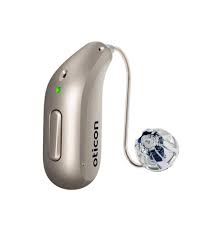
Posted on

Hearing Aids: Essential Tips for Testing Before Purchase

Last Updated on 09/01/2026 by Admin

Understanding the Essential Aspects of Hearing Aids

What Are the Various Types of Hearing Aids Available for Users?

There exists an extensive range of hearing aids meticulously designed to cater to different levels of hearing loss and personal preferences. Each type features unique attributes and functionalities, ensuring that users can select a model that perfectly suits their individual requirements. The primary categories of hearing aids are:

  • BTE (Behind-The-Ear): These versatile devices are suitable for all types of hearing loss. Positioned behind the ear, they connect to an earmold or ear tip, providing exceptional sound amplification.
  • ITE (In-The-Ear): Custom-fitted to the unique contours of the ear, ITE aids are designed for individuals with mild to severe hearing loss while maintaining a discreet yet powerful profile.
  • ITC (In-The-Canal): Smaller than ITEs, ITC aids fit partially within the ear canal, striking a harmonious balance between visibility and performance.
  • CIC (Completely-In-Canal): The most compact of all, these hearing aids fit entirely within the ear canal, achieving near invisibility.
  • RITE (Receiver-In-The-Ear): Featuring a small casing behind the ear, these hearing aids house a receiver in the ear canal, delivering a more natural sound experience.
  • Bone-Conduction: Ideal for individuals with conductive hearing loss, these devices transmit sound through vibrations in the bone.
  • Rechargeable Hearing Aids: A modern innovation, these models eliminate the hassle of battery replacements, offering both convenience and eco-friendliness.

Selecting the most suitable type of hearing aid is crucial for effective pre-purchase evaluations. Each design offers distinct advantages, enabling users to find a model that aligns seamlessly with their lifestyle and specific hearing needs. For instance, a BTE may be ideal for someone experiencing significant hearing loss, while a CIC would be more suitable for those prioritising discretion.

How Can I Identify the Key Features of Hearing Aids?

Recognising the essential features of hearing aids is fundamental to ensuring that users select devices that effectively meet their auditory needs. Factors such as sound quality, battery longevity, and connectivity options play vital roles when evaluating different options. Here are some critical attributes to consider:

  • Sound Quality: Look for hearing aids that deliver clear, dynamic sound with minimal distortion, particularly in noisy environments.
  • <a href="https://www.earwaxremoval.net/mini-hearing-aids-a-comprehensive-comparison-guide/">Battery Life:</a> Assess the longevity of the battery; models with extended battery life reduce the frequency of replacements.
  • Noise Reduction: Advanced sound processing technology filters background noise, enhancing clarity during conversations.
  • Feedback Cancellation: This feature mitigates whistling and feedback, creating a more comfortable listening experience.
  • Bluetooth Connectivity: Many modern hearing aids come equipped with Bluetooth capabilities, allowing connections to smartphones and other devices.
  • Program Settings: Multiple listening programs enhance the hearing experience across various environments, from tranquil spaces to lively gatherings.
  • Water and Dust Resistance: These features are essential for durability, especially for users leading active lifestyles or residing in humid conditions.

Gaining an understanding of these features streamlines the initial evaluation process. When testing hearing aids prior to purchase, pay close attention to how these attributes enhance your personal listening experience, ensuring the device effectively complements your lifestyle.

Why Is Regular Testing Essential for Hearing Aids?

Routine testing of hearing aids plays a critical role in maintaining optimal hearing health. Pre-purchase evaluations provide opportunities to assess device functionality, sound quality, and overall comfort. Here’s why these assessments hold significant importance:

Firstly, confirming device reliability guarantees that users can enjoy consistent auditory performance. During the testing phase, individuals can evaluate sound clarity, fit, and comfort. Should any issues arise, they can be promptly addressed with the provider before finalising the purchase, minimising the risk of future dissatisfaction.

Secondly, a thorough pre-purchase evaluation allows users to consider long-term usability factors. It is crucial to not only assess how hearing aids perform in controlled environments but also how they adapt to everyday situations. Will adjustments be necessary for varying settings? This consideration is key to ensuring sustained comfort and effectiveness over time.

Lastly, regular testing underscores the importance of user comfort. If a hearing aid feels cumbersome or awkward, it may lead to reduced usage, ultimately affecting hearing health. Testing enables potential buyers to experiment with different models, allowing them to make informed decisions based on personal comfort and auditory needs.

How Should I Navigate the Hearing Aid Fitting Process?

Navigating the fitting process for a hearing aid involves a structured approach that ensures the device effectively meets individual hearing loss and lifestyle requirements. Here’s how users can efficiently manage this fitting process:

The journey typically commences with a consultation with an audiologist. During this appointment, the audiologist conducts a comprehensive hearing assessment to evaluate the patient’s specific hearing loss profile. Following this, users can discuss their lifestyle needs and preferences, which significantly influence the choice of hearing aid.

Once a suitable hearing aid model is identified, the audiologist will take precise ear measurements to create a custom fitting. This process guarantees that the device fits comfortably and securely, optimising sound quality while minimising feedback issues. It often involves trying various earmolds or tips to find the best fit.

Finally, users will participate in an initial trial period where they can test the hearing aid in real-world situations. Regular follow-ups with the audiologist during this phase are crucial, as they allow for adjustments based on user feedback. This stage is vital for tailoring the hearing aid to individual sound preferences, enhancing overall satisfaction.

Preparing Effectively for the Hearing Aid Testing Process

How Can I Collect the Necessary Tools for Testing?

Gathering the essential tools for an effective hearing aid testing process is fundamental to ensuring a thorough evaluation. Preparation enhances the accuracy of assessments and boosts user confidence. Key items to consider include:

  • Hearing Test Results: Bring previous audiogram results for reference, providing context for your hearing loss.
  • Notebook or App: Use a notebook or a dedicated app to record observations, preferences, and any challenges experienced during testing.
  • Smartphone: If testing Bluetooth-enabled hearing aids, ensure your smartphone is charged and ready for connectivity tests.
  • Environmental Sounds: Consider recording various sounds from different environments (e.g., cafes, parks) to evaluate how well the hearing aids perform in real-world scenarios.
  • Comfort Items: Bring personal items that enhance comfort, such as earplugs or silicone putty for fitting adjustments.
  • Feedback from Friends or Family: Having a trusted individual accompany you can provide additional insights and perspectives on how well the hearing aids perform.

Preparing these tools allows for a comprehensive testing experience. Users can conduct multiple evaluations across different scenarios, ensuring the selected hearing aid meets their auditory needs effectively in various contexts.

How to Establish an Optimal Testing Environment?

Creating an ideal setup for testing hearing aids is crucial for minimising distractions and enhancing the accuracy of evaluations. The environment profoundly influences how well the devices function during trials. Here are critical considerations for establishing a conducive testing space:

Begin by selecting a tranquil location, free from background noise and interruptions. This could be a soundproof room or a calm area at home, where distractions are minimal. The objective is to focus on the hearing aid’s capacity to amplify sounds clearly while identifying any potential feedback issues.

Next, arrange seating and equipment to facilitate the testing process. Ensure that any necessary tools are readily accessible, including notepads for logging observations and smartphones for Bluetooth testing. Setting up chairs in a circular arrangement can foster a more conversational atmosphere, simulating social situations where the hearing aid will be utilised.

Lighting is another crucial factor when establishing the testing environment. Adequate lighting allows users to observe the device’s fit and comfort easily. Additionally, if testing in a group setting, ensure participants are positioned comfortably to engage in conversations while wearing the hearing aids.

Lastly, consider scheduling testing sessions during times when the user feels most alert and focused. Testing at optimal times will yield more accurate assessments, enabling users to identify strengths and weaknesses in the hearing aids effectively.

What Key Questions Should I Address Before Testing?

Before embarking on the hearing aid testing phase, posing the right questions can streamline the process and prevent potential oversights. Here are some critical inquiries to consider:

What type of hearing loss do I have, and how will it influence my choice of hearing aid? Understanding the specifics of your hearing loss guides your selection process and helps identify suitable models.

Are these devices compatible with my lifestyle? Discussing your daily activities with the audiologist ensures the selected hearing aid aligns with your routine, whether it involves social gatherings, work settings, or outdoor activities.

What maintenance options are available for these devices? Understanding the upkeep required for different models helps users assess long-term usability and care.

What warranty and support options are provided? Knowing the warranty terms can offer peace of mind, as it covers potential repairs or replacements.

Can I test multiple models during the appointment? Asking about the availability of various devices allows for a more comprehensive testing experience, ensuring users can compare a range of options.

By addressing these questions upfront, users can maximise their testing experience, ensuring they make informed decisions that lead to greater satisfaction and improved auditory performance.

Comprehending the Hearing Aid Testing Process

What Steps Are Involved in Conducting Initial Checks?

Initial checks are vital in the hearing aid testing process, providing foundational insights into device operation and suitability. The first step involves assessing the fit of the hearing aid. Users should wear the device for several minutes to evaluate comfort levels and identify any early signs of discomfort or pressure.

Next, assess the sound amplification capabilities of the hearing aid. Users can perform simple tests, such as speaking at varied volumes and noting how well the device amplifies their voice. This exercise helps identify whether the hearing aid effectively amplifies sound without distortion.

Furthermore, it’s vital to test the device in various environmental settings. Users can transition to quieter spaces and gradually introduce background noise, observing how the hearing aid adapts to these changes. This helps evaluate features like noise reduction and feedback cancellation.

Lastly, users should consider immediate feedback from friends or family regarding sound clarity, volume, and comfort. This initial evaluation phase is critical for refining choices based on firsthand experiences.

What Advanced Testing Methods Can Be Utilised?

Exploring advanced testing methods provides deeper insights into hearing aids’ capabilities, enabling potential buyers to make thoroughly informed choices. One effective technique is frequency response analysis, which tests how well the hearing aid amplifies different sound frequencies.

During this process, audiologists may employ specialised equipment to evaluate the hearing aid’s response across a range of frequencies, typically from low to high-pitched sounds. Users benefit from understanding how the device performs with frequencies relevant to their daily communication needs.

Another advanced method includes real-ear measurements, where a probe microphone is placed in the ear canal to measure sound levels while the hearing aid is in use. This technique provides precise data on how the hearing aid operates in real-world scenarios, ensuring optimal sound performance.

Additionally, users may explore simulated environments, such as sound booths or spaces designed to replicate various auditory settings. These advanced methods offer a comprehensive view of the hearing aid’s strengths and limitations, allowing users to evaluate options thoroughly before making a purchase.

What Are the Common Indicators of Success in Testing?

Recognising common indicators of success during hearing aid testing is essential for assessing performance and user satisfaction. A primary sign of a well-functioning hearing aid is clear audio output. Users should experience crisp, distortion-free sound across a range of pitches, facilitating natural conversations.

Another indicator is ease of use. Effective hearing aids should feature intuitive controls that allow users to adjust volume levels and switch between settings effortlessly. User-friendly designs contribute to overall satisfaction, making it easier to incorporate the device into daily life.

Comfort is also vital, with successful fittings resulting in a snug yet comfortable fit. Users should not experience irritation or pressure in their ears, which can hinder prolonged use. If discomfort arises, adjustments can be made to ensure a tailored experience.

Lastly, successful hearing aids will demonstrate adaptability to various environments. Users should feel confident that their device can handle different settings—whether in a crowded restaurant or a quiet room—effectively enhancing their hearing experience in diverse contexts.

Expert Insights for Effective Hearing Aid Testing

What Expert Recommendations Support Basic Testing Strategies?

Expert advice from audiologists and hearing specialists is invaluable during the hearing aid testing process. One proven method involves conducting sound amplification tests in different environments. Specialists recommend that users try their devices in various settings—quiet rooms, bustling cafes, and outdoor venues—to gauge their performance in real-life scenarios.

Additionally, experts emphasise the importance of soliciting feedback. Audiologists encourage users to seek opinions from family members or friends during testing. An extra pair of ears can provide insights into sound clarity and whether the device effectively amplifies speech over background noise.

Another recommendation is to meticulously document experiences. Keeping a journal of observations, preferences, and challenges allows users to compare different models comprehensively. This systematic approach enhances decision-making and fosters a deeper understanding of individual needs.

Finally, audiologists advise against rushing the testing process. Taking time to evaluate each option thoroughly allows users to refine their choices based on practical experiences, ultimately leading to more informed decisions regarding their hearing aids.

What Advanced Strategies Do Professionals Recommend?

Advanced strategies for testing hearing aids involve personalised techniques endorsed by professionals to ensure optimal outcomes. One effective strategy is the use of comparative trials. Users can test multiple models simultaneously, switching between devices to identify which performs best under varying conditions.

Another professional method involves setting specific goals for the hearing aid evaluation. For instance, users might focus on particular listening environments, such as crowded spaces or quiet settings, to assess how well each device meets their unique auditory needs.

Additionally, audiologists may recommend utilising smartphone apps that support hearing aid functionality. These applications can assist users in adjusting settings, monitoring battery life, and customising sound profiles, providing a hands-on approach to fine-tuning device performance.

Finally, regular follow-ups with a hearing specialist during the testing phase can facilitate essential adjustments. Professionals can provide insights based on user feedback, making necessary tweaks to enhance the overall experience.

How to Effectively Integrate Feedback into Evaluations?

Integrating feedback into the hearing aid evaluation process is crucial for refining choices and enhancing user satisfaction. A collaborative approach involving input from both the user and audiologist can lead to better-fitting devices and improved performance.

After each testing session, users should take time to discuss their experiences with the audiologist. Highlighting specific challenges or areas of discomfort enables the specialist to make necessary adjustments. It’s essential to communicate what worked well and what did not, ensuring a comprehensive evaluation.

Moreover, users should consider feedback from those around them, such as family and friends. Listening to their observations regarding sound clarity and effectiveness in social settings offers a broader perspective on the device’s performance.

Finally, users can leverage technology to facilitate analysis. Audiologists might use data collected from smartphone apps or hearing aids with built-in analytics to assess performance over time. This continuous feedback loop fosters ongoing refinement, ensuring that the selected hearing aid meets evolving needs.

What Are the Key Benefits of Testing Hearing Aids?

How Does Testing Enhance User Satisfaction?

Testing hearing aids before purchase significantly boosts user satisfaction through personalised evaluations. A meticulous testing process allows users to explore each device’s unique features and identify which aligns best with their personal preferences and lifestyle.

Enhanced comfort is a primary benefit, as users can determine how well the devices fit and adapt to their ears. This proactive approach reduces the risk of post-purchase discomfort, encouraging regular usage. When users feel satisfied with the fit and feel of their hearing aids, they are more likely to wear them consistently, positively impacting their overall hearing health.

Moreover, thorough testing helps users appreciate the nuances of sound quality. By experiencing firsthand how different hearing aids amplify sounds and filter out background noise, users can make informed decisions that lead to long-term satisfaction. This process fosters confidence in their choice, knowing they have selected a device that meets their specific auditory needs.

Ultimately, the testing phase serves as an empowering experience, allowing users to actively participate in their hearing journey. By taking control of their evaluations, individuals can ensure that their final choice leads to improved communication, social engagement, and overall quality of life.

What Are the Key Advantages for Everyday Use?

Effective hearing aid testing translates into numerous advantages for daily use, enhancing the overall auditory experience. One of the most significant benefits is improved clarity in everyday conversations. Users who have tested their devices thoroughly are more likely to find models that effectively filter background noise and amplify speech. This feature allows for richer, more engaging interactions with friends, family, and colleagues.

Another advantage is increased adaptability to various environments. Users can evaluate how well their hearing aids perform in different settings, such as bustling restaurants or quiet libraries. By assessing devices in contexts that mimic real-life scenarios, individuals can select options that seamlessly integrate into their daily routines, reducing the likelihood of frustration.

Moreover, effective testing contributes to long-term investment value. Users who select the right devices based on thorough assessments often face fewer issues, resulting in lower maintenance costs and longer-lasting performance. This proactive approach ensures that users enjoy their hearing aids without frequent repairs or discomfort that can arise from poor selections.

Finally, testing fosters confidence. Users who understand how their devices work and which features to utilise are more likely to feel empowered in social situations. This newfound confidence can lead to greater participation in community activities, enhancing overall well-being and fostering a sense of connection.

What Is the Long-Term Value of Proper Assessments?

Proper assessments during the hearing aid testing process yield lasting benefits that extend beyond the initial purchase. One significant advantage is reduced long-term maintenance needs. By carefully selecting devices that meet individual requirements, users are less likely to experience frequent repairs or replacements, leading to cost savings over time.

Additionally, thorough evaluations promote better device durability. By understanding how specific features function and integrating them effectively, users can maximise their hearing aids’ lifespan. This proactive approach fosters a sense of satisfaction and trust in the chosen device.

Moreover, proper assessments contribute to a more seamless integration of hearing aids into daily life. Users who have tested their devices extensively are likely to adapt more easily to the auditory changes, reducing the learning curve associated with new technology. This ease of transition results in enhanced user comfort and encourages consistent usage.

Ultimately, investing time in thorough assessments creates a strong foundation for lasting auditory health. Users who prioritise this aspect are more likely to enjoy ongoing benefits of improved sound quality and communication abilities, enhancing their overall quality of life.

Research-Backed Approaches to Testing Hearing Aids

What Methods Are Supported by Research?

Several research-backed methods enhance the accuracy of hearing aid testing, providing users with reliable techniques for effective evaluations. One widely supported strategy is the use of controlled sound tests to assess device performance. These tests typically involve standardised audio recordings played at varying volumes and frequencies, allowing users to gauge how well the hearing aid amplifies sounds in different scenarios.

Additionally, studies highlight the importance of comparative evaluations. Users can benefit from testing multiple devices side by side, ensuring they can directly compare features, sound quality, and comfort. This approach reinforces informed decision-making based on firsthand experiences.

Another research-backed method involves using objective measurements, such as real-ear verification. This technique places microphones in the ear canal to measure sound levels while the hearing aid is in use. Such data helps audiologists pinpoint how effectively the hearing aid amplifies sound across a range of frequencies.

Lastly, incorporating subjective feedback into research methodologies can inform improvements in device design. Users are encouraged to share their experiences with audiologists, who can relay insights back to manufacturers, fostering continuous innovation in hearing technology.

How to Apply Proven Techniques Effectively?

Implementing proven techniques effectively during the hearing aid testing process can significantly enhance outcomes. One approach is to ensure users have an organised plan for their testing sessions. Establishing clear objectives for each evaluation allows users to focus on specific features or environments, ensuring comprehensive assessments.

Another effective technique is to create a testing schedule that incorporates different environments. Users should aim to experience their hearing aids in a variety of settings, from quiet rooms to crowded public spaces. This diversity maximises the evaluation process, providing a holistic view of how well the device performs across contexts.

Additionally, utilising technology can streamline the testing experience. Users are encouraged to leverage smartphone apps that offer compatibility with their hearing aids. These tools can provide valuable insights into battery life, sound profiles, and environmental adjustments, empowering users to take control of their auditory experience.

Lastly, seeking professional guidance throughout the testing phase can enhance effectiveness. Regular check-ins with audiologists allow for ongoing adjustments based on user feedback, ensuring that the selected device is personalised and optimised for maximum performance.

How to Measure Outcomes with Evidence?

Measuring outcomes with evidence during the hearing aid testing process is crucial for verifying device performance and user satisfaction. One effective method involves tracking user experiences through structured assessments. Users can maintain logs detailing their observations, preferences, and any challenges faced while using different devices.

Additionally, audiologists may employ objective metrics to assess device performance. This could include using sound level meters or real-ear measurements to quantify how effectively the hearing aid amplifies sound across various frequencies. These data-driven insights provide a solid foundation for evaluating device capabilities.

Another strategy is to gather feedback from family members or colleagues who interact with the user. Their perspectives can offer valuable insights into sound clarity and comfort levels, further enriching the decision-making process.

Lastly, users can engage in periodic follow-up assessments after the initial purchase. These evaluations help determine whether the device continues to meet their evolving auditory needs, allowing for timely adjustments or upgrades as necessary.

Why Is Professional Guidance Essential in Testing?

How Can I Find Reliable Assistance?

Seeking reliable assistance for hearing aid testing can significantly enhance the overall experience and outcomes. One of the primary ways to find support is through referrals and recommendations from trusted sources, such as audiologists, hearing specialists, or friends who have undergone similar experiences.

It is essential to choose a qualified audiologist or hearing professional, preferably with relevant certifications and experience in hearing aid fittings. Researching their qualifications, training, and customer reviews can provide insight into their expertise and the quality of service offered.

Additionally, users should not hesitate to ask potential professionals about their approach to testing and fitting. A reliable audiologist will be transparent about their process, discussing the steps involved and addressing any concerns or questions that users may have.

Lastly, consider exploring local organisations or support groups that focus on hearing health. These resources often provide valuable information about professionals in the area, as well as insights from individuals who have navigated the testing process.

What Are the Benefits of Combining Self and Expert Tests?

Combining self-testing with expert assessments offers several key advantages in the hearing aid evaluation process. One primary benefit is the opportunity for personalised insights. While hearing professionals bring expertise and knowledge, users have firsthand experience of their auditory needs and preferences. This dual approach allows for a more comprehensive understanding of what features and adjustments are necessary for optimal performance.

Furthermore, self-testing empowers users to take an active role in their hearing health. By conducting initial assessments, individuals can identify specific challenges they face and communicate these effectively to their audiologists. This collaboration fosters a more productive dialogue, leading to tailored solutions that enhance the overall testing experience.

Additionally, integrating expert evaluations can validate personal findings. Audiologists can conduct objective tests to confirm the user’s self-assessment, ensuring that decisions are based on a combination of subjective experiences and evidence-based insights.

Lastly, this combined approach allows for continuous improvement. Users can refine their evaluations over time, adjusting their testing strategies based on feedback from professionals and their own insights. This ongoing cycle of assessment leads to better-fitting devices and improved satisfaction.

What Are the Potential Pitfalls of Testing Without Support?

Navigating the hearing aid testing process without support can lead to several pitfalls that may hinder effective evaluations. One common challenge is the lack of specialised knowledge. Users may not fully understand the functionality of different features or how to assess their performance accurately. This gap can result in suboptimal selections that do not cater to their specific auditory needs.

Another potential pitfall is the inability to recognise and address fitting issues. Without professional guidance, users may overlook signs of discomfort or improper fit, leading to reduced usage and dissatisfaction. These issues can impact long-term hearing health, as devices that do not fit correctly are less likely to be worn consistently.

Additionally, without expert support, users may struggle to navigate the wide array of hearing aid options available. The complexity of modern hearing technology requires informed decision-making, and lack of guidance can lead users to choose devices that do not align with their lifestyle or hearing loss profile.

Finally, users may miss out on the benefits of ongoing support and adjustments. Hearing needs can evolve over time, and without professional involvement, individuals may not receive the necessary updates or modifications to ensure continued satisfaction with their devices.

What Qualifications and Certifications Should I Look for in Professionals?

Understanding the qualifications and certifications of professionals involved in the hearing aid testing process is vital for ensuring reliable support. Audiologists should hold a degree in audiology, typically a Doctor of Audiology (Au.D.), which signifies extensive training in hearing health and technology.

Additionally, look for certification from recognised organisations, such as the American Speech-Language-Hearing Association (ASHA) or the American Academy of Audiology (AAA). These certifications indicate adherence to established standards and ongoing professional development, ensuring that practitioners are up-to-date with the latest advancements in hearing technology.

Furthermore, consider professionals who engage in continuous education and training. The field of audiology is constantly evolving, and audiologists who commit to lifelong learning are better equipped to provide informed recommendations and support.

Lastly, inquire about the provider’s experience with specific hearing aid brands and models. Familiarity with a wide range of products can enhance the fitting process, as experienced professionals are more likely to understand the nuances of different devices and how they cater to various hearing needs.

What Are the Long-Term Advantages of Professional Involvement?

Engaging professionals in the hearing aid testing process offers numerous long-term advantages that positively influence user satisfaction and auditory health. One significant benefit is ongoing support. Audiologists can provide regular follow-ups to assess device performance and make necessary adjustments, ensuring that users continue to enjoy optimal hearing experiences as their needs evolve.

Additionally, professional involvement can facilitate access to updated knowledge and technology. Hearing aids are continuously advancing, and professionals can inform users about the latest innovations and features that may enhance their auditory experience. This timely information enables users to make informed decisions about upgrades or modifications.

Moreover, long-term relationships with audiologists foster trust and confidence in the recommendations provided. Users who feel supported and understood are more likely to adhere to their hearing health plans, leading to improved outcomes and overall well-being.

Finally, professional involvement contributes to better long-term outcomes. By ensuring that devices are tailored to individual needs and regularly adjusted, users can experience enhanced communication abilities and engagement in social situations, leading to a more fulfilling and connected life.

Avoiding Common Mistakes in Hearing Aid Testing

What Errors Are Common During Initial Trials?

Common errors during the initial trials of hearing aids can impact the effectiveness of the testing process. One frequent mistake is neglecting the importance of fit checks. Users should take the time to verify that the device sits comfortably and securely in their ears. An improper fit can lead to discomfort and subpar sound quality, ultimately resulting in dissatisfaction with the device.

Another oversight involves rushing through sound amplification tests. Users may focus solely on high-volume settings without considering how the hearing aid performs at lower volumes. It’s essential to evaluate sound quality across a range of intensities to ensure comprehensive assessments.

Additionally, undervaluing feedback from others can hinder the evaluation process. Users may become overly focused on their own experiences and overlook valuable insights from friends or family. Engaging others in the testing phase can provide a broader perspective on how well the hearing aids function in social interactions.

Lastly, failing to document observations can lead to confusion when comparing different models later. Keeping a log of experiences and preferences is crucial for making informed decisions, allowing users to track their evaluations and identify patterns in performance.

What Key Performance Aspects Might Be Overlooked?

Overlooking key performance aspects during the hearing aid testing process can result in suboptimal selections. One common aspect that users may neglect is noise reduction capabilities. Failing to assess how well the device manages background noise can lead to frustration, especially in dynamic environments such as crowded restaurants or busy streets.

Another important factor is feedback cancellation. Users should pay close attention to any whistling or feedback sounds that may occur during use. A hearing aid that does not effectively manage feedback can significantly detract from the listening experience, making it essential to evaluate this feature during testing.

Additionally, many users may overlook the significance of battery life. Devices with shorter battery life may lead to frequent replacements and inconvenience. Users should inquire about battery longevity and consider testing devices over extended periods to assess how well they hold up in daily use.

Lastly, some individuals may fail to test the device in various environments. Conducting evaluations solely in quiet settings can provide an incomplete picture of how well the hearing aid performs in real-world situations. Engaging in assessments across diverse locations enhances the overall evaluation process.

How Can Testing Flaws Be Corrected?

Correcting testing flaws during the hearing aid evaluation process is crucial for achieving the best outcomes. To address issues such as improper fit, users can revisit their audiologist for adjustments. A professional fitting can ensure that the device sits comfortably and securely, enhancing sound quality and overall comfort.

If sound amplification tests reveal poor performance, users should take the time to document specific challenges they encounter. This thorough feedback will enable audiologists to make targeted adjustments or recommend alternative models that better suit the user’s auditory needs.

Additionally, users should engage in ongoing evaluations. If feedback is consistently positive or negative, it may signal that the chosen device is not meeting expectations. Regular check-ins with audiologists can facilitate timely adjustments and ensure that users receive the most suitable hearing aids for their requirements.

Lastly, maintaining open communication with family and friends can provide valuable insights. If feedback from others indicates issues with sound clarity or comfort, users should take this input seriously and collaborate with their audiologists to refine their choices and enhance the overall experience.

Finalising Your Hearing Aid Choice

How to Effectively Summarise Test Results?

Summarising test results effectively is essential for guiding the final decision-making process regarding hearing aids. A systematic approach to compiling findings can help users weigh the pros and cons of each device. Begin by categorising observations into key areas, such as comfort, sound quality, and usability.

Next, users should create a comparison chart that outlines the strengths and weaknesses of each model tested. This visual representation simplifies identifying which features stood out and which fell short during assessments.

Additionally, documenting feedback from family members or friends can enrich the summary. Including their observations adds depth to the evaluation, providing a broader perspective on how well each device performs in social settings.

Finally, users should reflect on their personal preferences and lifestyle needs. Consider how each device aligns with daily routines, social engagements, and comfort levels. This comprehensive summary will serve as a valuable reference when making the final decision, ensuring that potential buyers feel confident in their selected hearing aid.

What Factors Are Vital for Making a Confident Purchase?

Several factors play a crucial role in enabling confident purchasing decisions for hearing aids. One significant element is budget. Users should establish a clear understanding of their financial limitations and explore options within that range. Knowing what is affordable can reduce pressure during the selection process.

Another critical factor is the alignment of features with individual needs. Users should consider which functionalities are most important to them, such as noise reduction, Bluetooth connectivity, or rechargeable batteries. Evaluating how well each device meets these criteria will facilitate informed decisions.

Additionally, warranty and support options are essential considerations. Users should inquire about the terms of warranty coverage and any additional services offered, such as follow-up support or free adjustments. These aspects can provide peace of mind and reassurance when making a purchase.

Lastly, trust in the audiologist or hearing professional involved in the process should not be overlooked. Building rapport and confidence in their expertise can significantly impact the decision-making process, leading to a more satisfying overall experience.

How to Ensure Post-Purchase Readiness?

Ensuring post-purchase readiness for hearing aids involves several key steps that set the stage for optimal long-term use. First, users should familiarise themselves with the device’s features and controls. Understanding how to operate the hearing aid is essential for seamless integration into daily life.

Next, establishing a maintenance routine is crucial. Users should learn how to clean and care for their devices properly, as well as monitor battery life and functionality regularly. This proactive approach ensures that the hearing aids remain in optimal working condition.

Additionally, users should schedule follow-up appointments with their audiologists shortly after purchase. These sessions provide an opportunity for adjustments based on user feedback and experiences during the initial weeks of use.

Lastly, fostering open communication with friends and family regarding the hearing aids can enhance the overall experience. Encouraging loved ones to provide feedback can help users refine their adjustments and maximise their device’s effectiveness in social situations.

What Concerns Should Be Addressed Promptly?

Addressing potential concerns about hearing aids is a critical component of ensuring user satisfaction. Users should not hesitate to communicate any issues they encounter after purchase, such as discomfort or subpar performance, to their audiologist. Open dialogue allows for timely adjustments and solutions to be implemented.

Moreover, users should actively seek resources that provide information on common challenges and solutions associated with hearing aids. Online forums, support groups, and educational materials can offer valuable insights into troubleshooting and optimising device performance.

Another approach is to engage in continuous learning about hearing health and technology. Staying informed about advancements in hearing aids and practices can empower users to make informed decisions regarding upgrades or modifications as their needs evolve.

Ultimately, addressing concerns promptly and proactively is essential for ensuring a positive auditory experience. By taking an active role in their hearing health, users can foster confidence in their choices and enhance their overall quality of life.

Frequently Asked Questions

How Can I Determine If I Need a Hearing Aid?

If you find it challenging to hear conversations, particularly in noisy settings, or often ask others to repeat themselves, it may be time to consider a hearing test to determine if a hearing aid could be beneficial.

What Is the Average Cost of Hearing Aids?

The average cost of hearing aids varies significantly, typically ranging from $1,000 to $4,000 per device, depending on brand, features, and technology. It is essential to explore various options and consider insurance coverage.

What Is the Lifespan of Hearing Aids?

On average, hearing aids last between 3 to 5 years, depending on usage, maintenance, and technological advancements. Regular care can help extend their lifespan and ensure optimal performance.

Can I Test Hearing Aids Before Purchasing Them?

Many audiologists offer trial periods that allow users to test hearing aids before making a purchase. This opportunity enables individuals to assess comfort and functionality in real-world situations.

Are There Any Side Effects Associated with Wearing Hearing Aids?

Initial side effects may include mild discomfort or a feeling of fullness in the ears. However, these typically subside as users adjust. It is crucial to communicate any persistent issues with your audiologist.

How Often Should I Have My Hearing Aids Adjusted?

It is advisable to have your hearing aids adjusted at least once or twice a year, or more frequently if your hearing changes. Regular follow-ups help ensure optimal performance.

Can I Use Hearing Aids with My Smartphone?

Many modern hearing aids offer Bluetooth connectivity, allowing seamless integration with smartphones for calls, music, and other audio. Check compatibility before purchasing.

What Should I Do If I Experience Feedback from My Hearing Aids?

If you experience feedback, it is essential to check the fit of your device. Consult your audiologist if the issue persists, as adjustments may be needed to eliminate feedback.

Can I Wear Hearing Aids While Exercising?

Yes, but it’s important to choose hearing aids that are moisture-resistant or sweat-proof. Proper care and maintenance are crucial to ensure their longevity during physical activities.

What Is the Best Way to Clean My Hearing Aids?

To clean hearing aids, use a soft, dry cloth to wipe the surface and remove any debris. Avoid using water or harsh chemicals, and follow your audiologist’s cleaning instructions for best practices.

Discover our world on X today!

The post Test Hearing Aids Before Buying: Key Tips You Need appeared first on The Microsuction Ear Wax Removal Network.